

Se ti sei mai chiesto quanto denaro devi investire per ottenere $3,000 al mese, non sei solo. Costruire reddito passivo è uno degli obiettivi finanziari più ambiti per coloro che perseguono libertà finanziaria o pensione anticipata.
Per generare un reddito costante di $3,000 al mese — o $36,000 all'anno — l'investimento necessario dipende da diversi fattori chiave, tra cui ritorno sull'investimento (ROI), tolleranza al rischio, e lo tipi di attività che scegli. Sia che tu preferisca titoli che pagano dividendi, investimenti immobiliari, obbligazioni, REITs, o fondi indicizzati, ciascuna opzione offre un diverso equilibrio tra rendimenti potenziali ed esposizione al rischio.
Find Bleeding Edge Supplements at Scandalous Prices on iHerb.

Ad esempio, se il tuo portafoglio rende un rendimento annuo medio del 6%, dovresti avere circa $600,000 investiti per raggiungere $3,000 mensili. Attività a basso rischio come obbligazioni o conti di risparmio ad alto rendimento possono richiedere un investimento significativamente maggiore, mentre strumenti ad alto rischio, come titoli di crescita o criptovalute, potrebbero offrire risultati più rapidi—ma con una volatilità maggiore.
Comprendere interessi composti, diversificazione del portafoglio, e investimenti fiscalmente efficienti è anche fondamentale per massimizzare i rendimenti riducendo al minimo il rischio. Questa guida spiegherà esattamente quanto capitale serve per diverse strategie di investimento, spiegherà la matematica alla base del reddito passivo, e ti aiuterà a progettare un piano personalizzato per raggiungere guadagni mensili costanti di $3,000.
Alla fine, avrai un quadro chiaro di come allineare i tuoi obiettivi finanziari, strategia di investimento, e obiettivo di reddito per far lavorare meglio i tuoi soldi per te.

Prova la prima piattaforma di investimento AI gratuita: Intellectia
Comprendere le basi del reddito da investimenti
Il reddito da investimenti può provenire da diverse fonti, ciascuna con il proprio profilo di rischio e rendimento atteso:
-
Dividendi azionari — pagamenti regolari dai profitti delle aziende
-
Interessi delle obbligazioni — pagamenti a reddito fisso provenienti da governi o imprese
-
Reddito da affitti immobiliari — flusso di cassa costante proveniente dagli inquilini
-
Profitti aziendali o attività secondarie — flussi di reddito attivi o semi-passivi
Ogni fonte di reddito si comporta in modo diverso durante i cicli di mercato. Combinare più fonti è il modo più affidabile per ottenere un reddito mensile costante mantenendo il rischio sotto controllo.
Perché la diversificazione è cruciale
La diversificazione significa distribuire il tuo capitale su diverse classi di attività per ridurre il rischio. Un singolo investimento con scarso rendimento non farà deragliare l'intero portafoglio.
Mescolando azioni, obbligazioni, immobili e investimenti alternativi, si ottiene esposizione a diversi motori economici — massimizzando stabilità e crescita a lungo termine. Questo equilibrio aiuta a mantenere un reddito costante anche durante mercati volatili.
Fattori chiave che determinano quanto devi investire
1. Tasso di rendimento atteso
Più alto è il tuo rendimento annuo, meno capitale dovrai investire per guadagnare $3,000 al mese.
Tuttavia, i rendimenti più elevati comportano un rischio maggiore. Comprendere la performance storica aiuta a stabilire aspettative realistiche:
-
Obbligazioni: rendimento annuo medio del 3–5%
-
Immobili: 6–10% (a seconda della leva finanziaria e dell'ubicazione)
-
Fondi indicizzati azionari: rendimento medio a lungo termine del 7–10%
-
Azioni che pagano dividendi: rendimento da dividendi del 3–6%
2. Tolleranza al rischio
La tua tolleranza al rischio determina quanta volatilità sei in grado di sopportare.
-
Investitori conservatori si orientano verso obbligazioni e fondi a reddito.
-
Investitori moderati bilanciano azioni che pagano dividendi, obbligazioni e immobili.
-
Investitori aggressivi prioritizzano azioni e asset di crescita con potenziale di rialzo maggiore.
Valutare il tuo livello di tolleranza alle perdite ti aiuta a progettare un portafoglio che risulti sostenibile durante i ribassi del mercato.
3. Orizzonte temporale dell'investimento
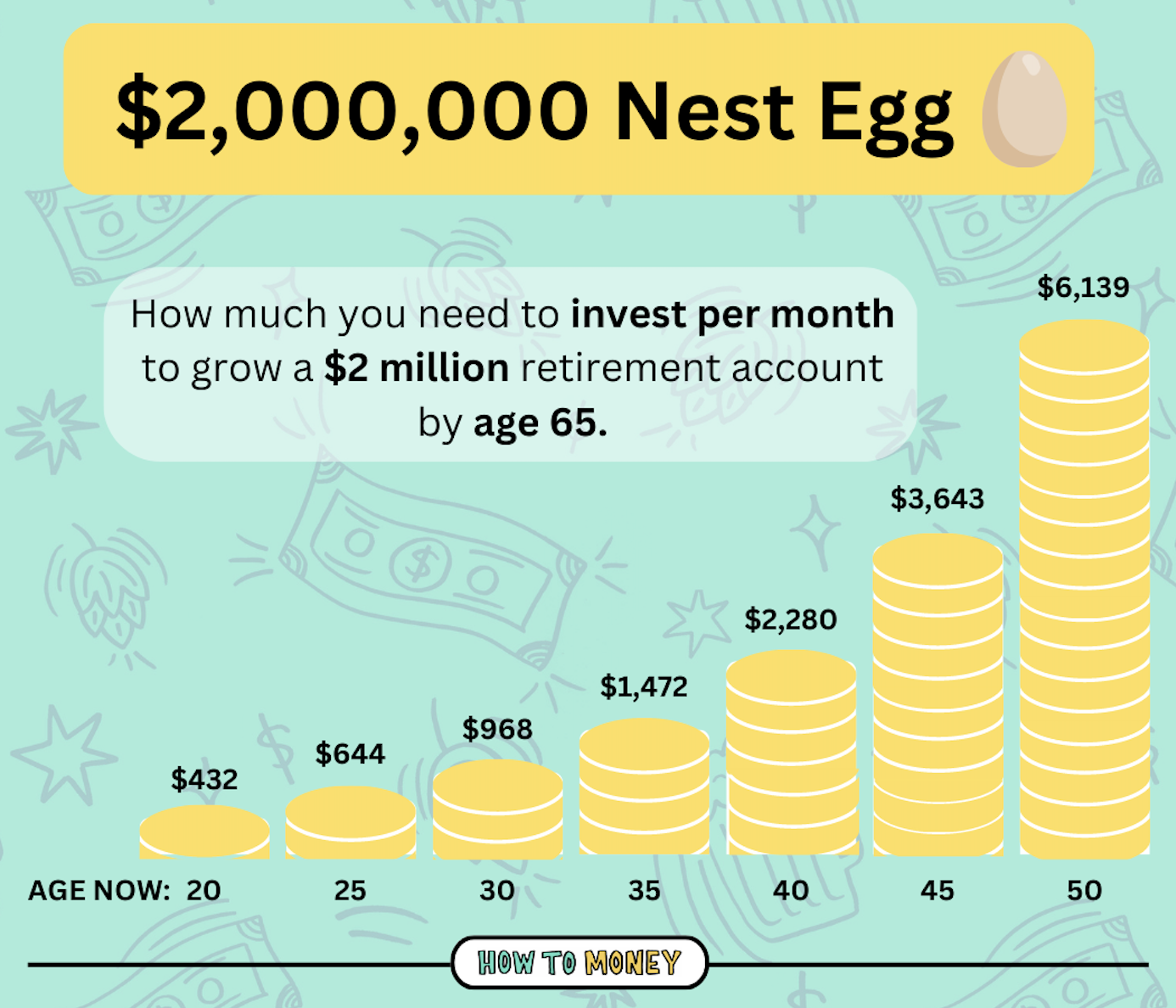
Il tempo è il tuo alleato più grande. Un orizzonte di investimento più lungo consente la capitalizzazione di aumentare i rendimenti.
Ad esempio, reinvestire dividendi e interessi per 15–20 anni può moltiplicare il reddito totale senza contributi aggiuntivi.
4. Efficienza fiscale
Le tasse possono erodere significativamente i rendimenti. Ottimizza per reddito netto post-tasse utilizzando:
-
Conti fiscalmente agevolati (IRAs, Roth IRAs, 401(k)s)
-
Obbligazioni municipali (interessi esenti da tasse)
-
Raccolta delle perdite fiscali strategie
-
Reinvestimento dei dividendi all'interno di conti a differimento fiscale

La migliore piattaforma di investimento per principianti | Quanti soldi mi servono per investire per guadagnare 3000 al mese | Come guadagnare 1000 al mese investendo | Quanto vale investire 1000 al mese per 30 anni | Devo usare Robinhood o Fidelity | Robinhood ne vale la pena?
La matematica: come calcolare l'investimento necessario
Usa questa semplice formula per stimare l'importo dell'investimento:
Se punti a un rendimento annuo del 4%, il calcolo è:
Avresti bisogno di circa $900,000 investiti con un rendimento del 4% per guadagnare $3,000 al mese.
Tuttavia, è sempre necessario adeguarsi a inflazione, commissioni di gestione e fluttuazioni del mercato per mantenere il potere d'acquisto reale.
Opzioni di investimento per generare reddito
Azioni che distribuiscono dividendi
Le azioni che pagano dividendi offrono reddito passivo oltre al potenziale apprezzamento del capitale.
Concentrarsi su aziende con:
-
Lunghe serie di pagamenti dei dividendi
-
Rapporti di distribuzione sostenibili
-
Basso debito e flusso di cassa stabile
Piani di reinvestimento dei dividendi (DRIPs) aumentano i tuoi guadagni acquistando automaticamente ulteriori azioni.
Obbligazioni
Le obbligazioni offrono reddito fisso e stabilità. Sebbene i rendimenti siano modesti, agiscono da cuscinetto durante i ribassi del mercato azionario.
Valuta la costruzione di una scala di obbligazioni — un mix di obbligazioni a breve, medio e lungo termine, per bilanciare liquidità e rendimento.
Immobiliare
Il settore immobiliare rimane un potente generatore di reddito.
-
Immobili in affitto generano flussi di cassa mensili
-
REITs (Real Estate Investment Trusts) offrono esposizione al settore immobiliare senza oneri di gestione
Analizza la posizione, i costi di manutenzione e i tassi di occupazione prima di investire.
Prestiti peer-to-peer (P2P)
Piattaforme come LendingClub o Prosper ti permettono di prestare direttamente ai mutuatari per rendimenti più elevati (dal 6 al 10%), ma il rischio è maggiore.
Diversifica tra molti prestiti e verifica i punteggi di credito dei mutuatari per ridurre al minimo le insolvenze.
Investimenti alternativi
Altre opzioni ad alto rendimento includono credito privato, opzioni call coperte, royalties o partnership commerciali. Queste possono completare gli asset tradizionali per flussi di reddito diversificati.
Come costruire un portafoglio che genera 3.000 dollari al mese
-
Definisci i tuoi obiettivi – Conosci il reddito obiettivo, l'orizzonte temporale e il profilo di rischio.
-
Valuta la tua situazione finanziaria attuale – Misura la tua capacità di risparmio e i tuoi beni esistenti.
-
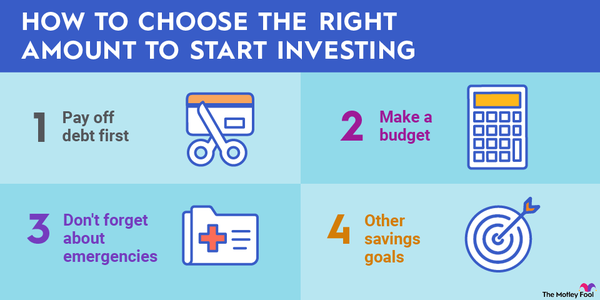
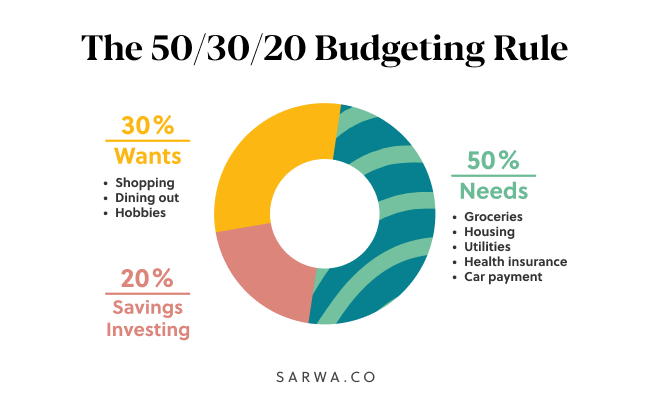
Crea un budget mensile – Identifica quanto puoi investire regolarmente.
-
Seleziona la giusta combinazione – Combina azioni che pagano dividendi, obbligazioni e immobili in modo strategico.
-
Contribuzioni automatiche – Usa trasferimenti automatici per mantenere la costanza.
-
Reinvesti gli utili – Reinvesti i dividendi e gli interessi per una crescita composta.
-
Monitora e riequilibra – Regola le allocazioni di portafoglio annualmente.
-
Richiedi consulenza da un esperto – Un consulente finanziario autorizzato può ottimizzare la strategia fiscale e l'esposizione al rischio.
Esempio di portafoglio per reddito passivo di 3.000 dollari al mese
| Classe di attività | Allocazione | Rendimento atteso | Reddito annuo (su 900.000 dollari) |
|---|---|---|---|
| Azioni che distribuiscono dividendi | 40% ($360,000) | 5% | $18,000 |
| Obbligazioni | 25% ($225,000) | 4% | $9,000 |
| Immobiliare / REIT | 25% ($225,000) | 6% | $13,500 |
| Alternative (P2P, ecc.) | 10% ($90,000) | 7% | $6,300 |
| Totale | 100% ($900,000) | ~4,7% misto | $46,800/anno ($3,900/al mese) |
Questa struttura diversificata offre stabilità del reddito, pur mantenendo un potenziale di crescita a lungo termine.

Prova la prima piattaforma di investimento AI gratuita: Intellectia | Intellectia AI Review
Considerazioni finali
Guadagnare 3.000 dollari al mese dagli investimenti è realizzabile con una pianificazione disciplinata, diversificazione e tempo.
Inizia presto, reinvesti gli utili e rivedi regolarmente la tua strategia per assicurarti di rimanere sulla strada giusta. Con impegno costante, puoi costruire una fonte affidabile di reddito passivo e avvicinarti all'indipendenza finanziaria.
Domande frequenti (FAQ)
Quanto tempo ci vorrà per costruire un portafoglio di investimenti da 900.000 dollari?
Dipende dai tuoi versamenti mensili e dal tasso di rendimento. Investire 2.000 dollari al mese con un rendimento annuo medio del 7% richiederà circa 18–20 anni per raggiungere 900.000 dollari.
Posso guadagnare 3.000 dollari al mese con meno di 900.000 dollari?
Sì, se si ottiene un tasso di rendimento più elevato. Ad esempio:
-
Con un rendimento del 6%, servirebbero $600,000
-
Con un rendimento dell'8%, circa $450,000
Tuttavia, rendimenti più elevati comportano un maggiore rischio.
L'immobiliare è migliore delle azioni per un reddito passivo?
L'immobiliare offre flussi di cassa stabili e un potenziale apprezzamento, mentre le azioni offrono liquidità e un minore onere di gestione. Una combinazione di entrambi spesso produce i migliori risultati.
Devo vivere di dividendi o vendere investimenti?
Entrambi gli approcci funzionano. Vivere di dividendi fornisce reddito stabile senza ridurre il capitale. Vendere azioni (una «strategia di rendimento totale») consente maggiore flessibilità ma richiede una pianificazione attenta dei prelievi.
In che modo le tasse influenzano il reddito da investimenti?
Le tasse variano in base al tipo di attività e al conto. Detenere investimenti in conti a tassazione differita (IRA, 401(k)) o utilizzare obbligazioni comunali possono ridurre o differire l'onere fiscale, aumentando i rendimenti netti.
Browse the Shop
 Acacia frida deluxe solid wood bed frame |
Bedroom bench |
Bed chest drawers |
Lingerie dresser |
Frame base |
Mirror with jewelry storage |
30 Bathroom Vanity |
Memory foam queen mattress |
Mattresses for back pain |
Nightstand set of 2 |
Grand Goldman Shop |
Civil Lawyer
Deutschland Trikot WM 2026
Acacia frida deluxe solid wood bed frame |
Bedroom bench |
Bed chest drawers |
Lingerie dresser |
Frame base |
Mirror with jewelry storage |
30 Bathroom Vanity |
Memory foam queen mattress |
Mattresses for back pain |
Nightstand set of 2 |
Grand Goldman Shop |
Civil Lawyer
Deutschland Trikot WM 2026










