

Hiç aylık 3.000$ kazanmak için ne kadar para yatırmanız gerektiğini merak ettiyseniz, yalnız değilsiniz. Pasif gelir oluşturmak, finansal özgürlük veya erken emeklilik peşinde koşanlar için en çok arzulanan finansal hedeflerden biridir.
Sabit aylık 3.000$ — veya yıllık 36.000$ — gelir elde etmek için gerekli yatırımınız, yatırım getirisi (ROI), risk toleransınız ve seçtiğiniz varlık türü dahil olmak üzere birkaç önemli faktöre bağlıdır. İster temettü hisselerini, ister gayrimenkul yatırımını, tahvilleri, GYO'ları veya endeks fonlarını tercih edin, her seçenek potansiyel getiriler ve risk maruziyeti arasında farklı bir denge sunar.
Find Bleeding Edge Supplements at Scandalous Prices on iHerb.

Örneğin, portföyünüz ortalama %6 yıllık getiri sağlıyorsa, aylık 3.000$ elde etmek için kabaca 600.000$ yatırım yapmanız gerekir. Tahviller veya yüksek getirili tasarruf hesapları gibi düşük riskli varlıklar önemli ölçüde daha büyük bir yatırım gerektirebilirken, büyüme hisseleri veya kripto para birimi gibi daha yüksek riskli araçlar daha hızlı sonuçlar verebilir—ancak daha büyük oynaklıkla birlikte.
Bileşik faiz, portföy çeşitlendirmesi ve vergi verimli yatırım anlayışı, riski en aza indirirken getirileri maksimize etmek için de çok önemlidir. Bu rehber, farklı yatırım stratejileri için ne kadar sermayeye ihtiyacınız olduğunu tam olarak açıklayacak, pasif gelirin arkasındaki matematiği anlatacak ve tutarlı aylık 3.000$ kazanç elde etmek için kişiselleştirilmiş bir plan tasarlamanıza yardımcı olacak.
Sonunda, paranızın sizin için daha akıllıca çalışmasını sağlamak için finansal hedeflerinizi, yatırım stratejinizi ve gelir hedefinizi nasıl uyumlu hale getireceğinize dair net bir resme sahip olacaksınız.

1 Numaralı AI Yatırım Platformunu Ücretsiz Deneyin: Intellectia
Yatırım Gelirinin Temellerini Anlamak
Yatırım geliri, her biri kendi risk profili ve beklenen getirisi olan çeşitli kaynaklardan gelebilir:
-
Hisse senetlerinden temettüler — şirketlerin kârlarından düzenli ödemeler
-
Tahvillerden faiz — hükümetlerden veya şirketlerden sabit gelir ödemeleri
-
Gayrimenkulden kira geliri — kiracılardan düzenli nakit akışı
-
İş kârları veya yan girişimler — aktif veya yarı pasif gelir akışları
Her gelir kaynağı, piyasa döngüleri sırasında farklı davranır. Risk yönetimi yaparken tutarlı aylık gelir elde etmenin en güvenilir yolu, birden fazla kaynağı birleştirmektir.
Çeşitlendirme Neden Çok Önemlidir
Çeşitlendirme, riski azaltmak için sermayenizi birden fazla varlık sınıfına yaymak anlamına gelir. Tek bir kötü performans gösteren yatırım, tüm portföyünüzü rayından çıkarmaz.
Hisse senetleri, tahviller, gayrimenkul ve alternatif yatırımları karıştırarak, farklı ekonomik itici güçlere maruz kalırsınız — istikrarı ve uzun vadeli büyümeyi maksimize edersiniz. Bu denge, dalgalı piyasalarda bile gelir tutarlılığını korumaya yardımcı olur.
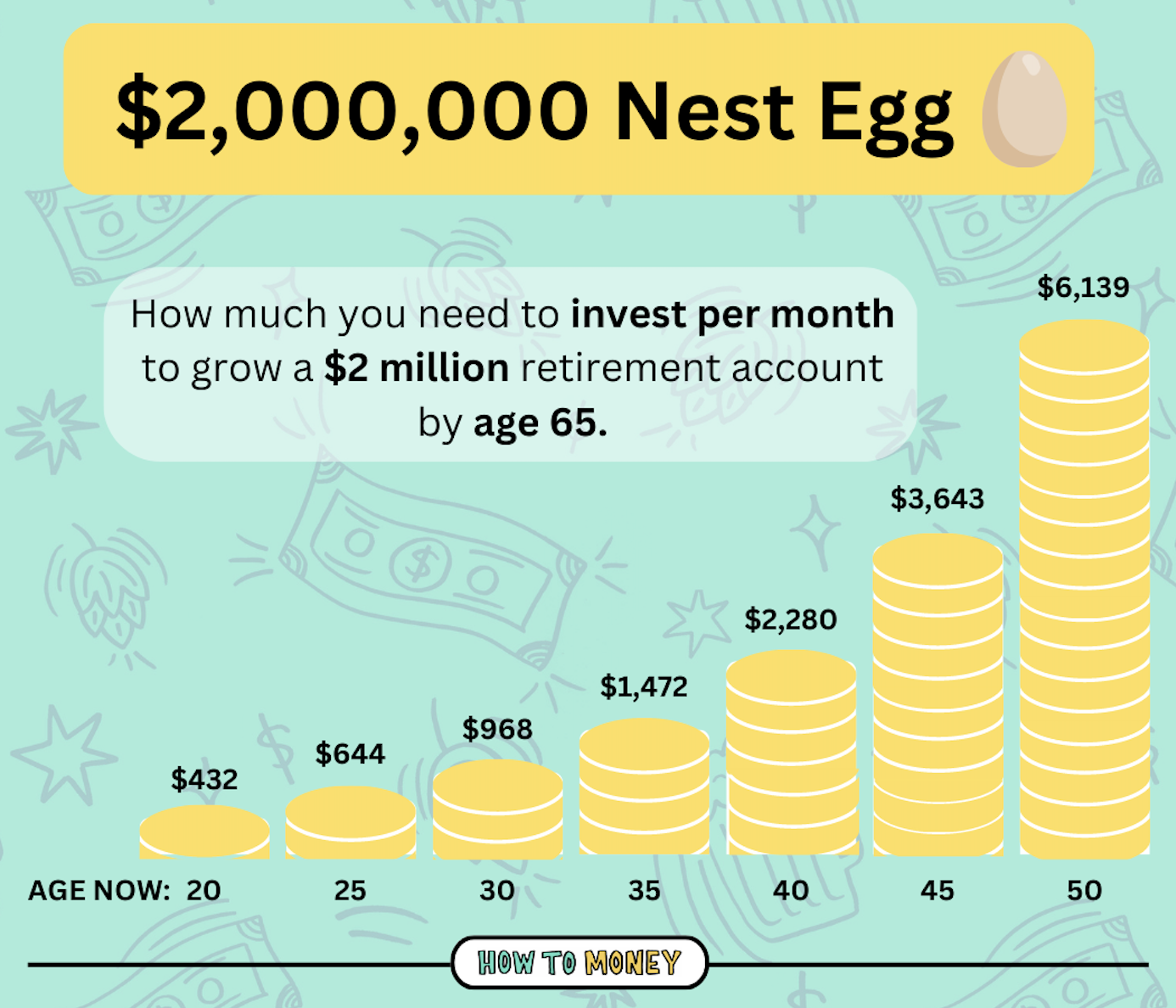
Ne Kadar Yatırım Yapmanız Gerektiğini Belirleyen Temel Faktörler
1. Beklenen Getiri Oranı
Yıllık getiriniz ne kadar yüksek olursa, ayda 3.000$ kazanmak için yatırmanız gereken sermaye o kadar az olur.
Ancak, daha yüksek getiriler daha yüksek riskle birlikte gelir. Tarihsel performansı anlamak gerçekçi beklentiler oluşturmaya yardımcı olur:
-
Tahviller: %3–5 ortalama yıllık getiri
-
Gayrimenkul: %6–10 (kaldıraç ve konuma bağlı olarak)
-
Hisse senedi endeks fonları: %7–10 uzun vadeli ortalama
-
Temettü hisseleri: %3–6 gelir getirisi
2. Risk Toleransı
Sizin risk toleransınız, ne kadar dalgalanma ile başa çıkabileceğinizi tanımlar.
-
Muhafazakar yatırımcılar tahvillere ve gelir fonlarına yönelir.
-
Orta düzey yatırımcılar temettü hisseleri, tahviller ve gayrimenkul arasında denge kurar.
-
Agresif yatırımcılar daha yüksek kazanç potansiyeli olan hisse senetlerine ve büyüme varlıklarına öncelik verir.
Zarar karşısındaki rahatlık seviyenizi değerlendirmek, piyasa düşüşleri sırasında sürdürülebilir hissettiren bir portföy tasarlamanıza yardımcı olur.
3. Yatırım Zaman Ufku
Zaman en büyük müttefikinizdir. Daha uzun bir yatırım ufku, bileşik getirinin kazançları büyütmesine olanak tanır.
Örneğin, temettülerin ve faizin 15-20 yıl boyunca yeniden yatırılması, ek katkılar olmadan toplam gelirinizi katlayabilir.
4. Vergi Verimliliği
Vergiler getirileri önemli ölçüde aşındırabilir. Şunları kullanarak vergi sonrası geliri optimize edin:
-
Vergi avantajlı hesaplar (IRA'lar, Roth IRA'lar, 401(k)'lar)
-
Belediye bonoları (vergiden muaf faiz)
-
Vergi zararı hasadı stratejileri
-
Vergi ertelenmiş hesaplar içinde temettü yeniden yatırımı

En İyi Yeni Başlayan Yatırım Platformu | Ayda 3000 ABD Doları Kazanmak İçin Ne Kadar Para Yatırmam Gerekir | Yatırım Yaparak Ayda 1000 ABD Doları Nasıl Kazanılır | 30 Yıl Boyunca Ayda 1000 ABD Doları Yatırılan Para Ne Kadar Eder | Robinhood mı Fidelity mi Kullanmalıyım | Robinhood Buna Değer mi
Matematik: Gerekli Yatırım Nasıl Hesaplanır
Yatırım miktarınızı tahmin etmek için bu basit formülü kullanın:
%4 yıllık getiri hedefliyorsanız, hesaplama şöyledir:
%4 getiriyle yatırılmış yaklaşık 900.000 ABD Dolarına ihtiyacınız olacaktır ki ayda 3.000 ABD Doları kazanasınız.
Ancak, gerçek satın alma gücünüzü korumak için her zaman enflasyon, yönetim ücretleri ve piyasa dalgalanmaları için ayarlama yapın.
Gelir Getiren Yatırım Seçenekleri
Temettü Hisse Senetleri
Temettü ödeyen hisse senetleri, pasif gelire ek olarak potansiyel sermaye kazancı sunar.
Şu özelliklere sahip şirketlere odaklanın:
-
Uzun temettü geçmişi
-
Sürdürülebilir temettü ödeme oranları
-
Düşük borç ve istikrarlı nakit akışı
Temettü yeniden yatırım planları (DRIP'ler) otomatik olarak daha fazla hisse satın alarak kazançlarınızı bileşik hale getirir.
Tahviller
Tahviller sabit gelir ve istikrar sağlar. Getiriler mütevazı olsa da, borsa düşüşleri sırasında bir tampon görevi görürler.
Likidite ve getiriyi dengelemek için tahvil merdiveni—kısa, orta ve uzun vadeli tahvillerin bir karışımı—oluşturmayı düşünün.
Gayrimenkul
Gayrimenkul güçlü bir gelir kaynağı olmaya devam ediyor.
-
Kiralık mülkler aylık nakit akışı sağlar
-
GYO'lar (Gayrimenkul Yatırım Ortaklıkları), yönetim zahmeti olmadan gayrimenkul maruziyeti sunar
Yatırım yapmadan önce konumu, bakım maliyetlerini ve doluluk oranlarını analiz edin.
Eşler Arası (P2P) Kredi Verme
LendingClub veya Prosper gibi platformlar, daha yüksek getiriler (%6–10) için doğrudan borçlulara kredi vermenizi sağlar, ancak risk daha yüksektir.
Birçok krediye yayılın ve borçlunun kredi notlarını inceleyerek temerrütleri en aza indirin.
Alternatif Yatırımlar
Diğer yüksek getirili seçenekler arasında özel krediler, covered call'lar, telif hakları veya iş ortaklıkları bulunur. Bunlar, çeşitlendirilmiş gelir akışları için geleneksel varlıkları tamamlayabilir.
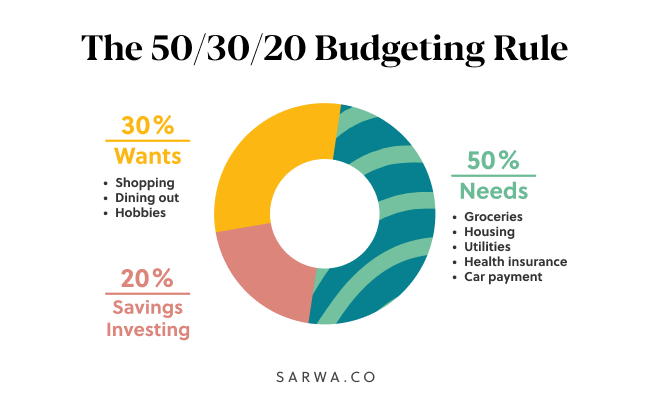
Aylık 3.000$ Getiren Bir Portföy Nasıl Oluşturulur
-
Hedeflerinizi Tanımlayın – Hedef gelirinizi, zaman çerçevenizi ve risk profilinizi bilin.
-
Mevcut Finansınızı Değerlendirin – Tasarruf kapasitenizi ve mevcut varlıklarınızı ölçün.
-
Aylık Bir Bütçe Oluşturun – Düzenli olarak ne kadar yatırım yapabileceğinizi belirleyin.
-
Doğru Karışımı Seçin – Temettü hisselerini, tahvilleri ve gayrimenkulleri stratejik olarak birleştirin.
-
Katkıları Otomatikleştirin – Tutarlı kalmak için otomatik transferleri kullanın.
-
Kazançları Yeniden Yatırın – Bileşik büyüme için temettü ve faizleri yeniden yatırın.
-
İzleyin ve Yeniden Dengeleyin – Varlık tahsislerini yıllık olarak ayarlayın.
-
Uzman Görüşü Alın – Lisanslı bir finansal danışman, vergi stratejinizi ve risk maruziyetinizi optimize edebilir.
Aylık 3.000$ Pasif Gelir İçin Örnek Portföy
| Varlık Sınıfı | Dağılım | Beklenen Getiri | Yıllık Gelir (900.000$ üzerinden) |
|---|---|---|---|
| Temettü Hisse Senetleri | %40 (360.000$) | 5% | $18,000 |
| Tahviller | %25 (225.000$) | 4% | $9,000 |
| Gayrimenkul / GYO'lar | %25 (225.000$) | 6% | $13,500 |
| Alternatifler (P2P, vb.) | %10 (90.000$) | 7% | $6,300 |
| Toplam | %100 (900.000$) | ~%4,7 harmanlanmış | Yıllık 46.800$ (Aylık 3.900$) |
Bu çeşitlendirilmiş yapı, uzun vadeli büyüme potansiyelini korurken gelir istikrarı sağlar.

1 Numaralı AI Yatırım Platformunu Ücretsiz Deneyin: Intellectia | Intellectia AI İncelemesi
Son Düşünceler
Disiplinli planlama, çeşitlendirme ve zaman ile yatırımlardan ayda 3.000$ kazanmak mümkündür.
Erken başlayın, kazançlarınızı yeniden yatırın ve rotanızda kaldığınızdan emin olmak için stratejinizi düzenli olarak gözden geçirin. Tutarlı bir çabayla, güvenilir bir pasif gelir akışı oluşturabilir ve finansal bağımsızlığa bir adım daha yaklaşabilirsiniz.
Sıkça Sorulan Sorular (SSS)
900.000$'lık bir yatırım portföyü oluşturmak ne kadar sürer?
Bu, aylık katkılarınıza ve getiri oranınıza bağlıdır. Aylık 2.000$ yatırım yaparak ortalama %7 yıllık getiri ile yaklaşık 18-20 yılda 900.000$'a ulaşılır.
900.000$'dan az bir sermayeyle ayda 3.000$ kazanabilir miyim?
Evet, daha yüksek bir getiri oranına ulaşırsanız. Örneğin:
-
%6 getiri oranında, 600.000$'a ihtiyacınız olur
-
%8 getiri oranında, yaklaşık 450.000$
Ancak daha yüksek getiriler, daha fazla risk almak anlamına gelir.
Pasif gelir için gayrimenkul hisse senetlerinden daha mı iyidir?
Gayrimenkul istikrarlı nakit akışı ve potansiyel değer artışı sağlarken, hisse senetleri likidite ve daha düşük yönetim yükü sunar. Her ikisinin bir karışımı genellikle en iyi sonuçları verir.
Temettülerden mi geçinmeliyim yoksa yatırımlarımı mı satmalıyım?
Her iki yaklaşım da işe yarar. Temettülerden geçinmek, anaparayı azaltmadan istikrarlı bir gelir sağlar. Hisse satmak ("toplam getiri stratejisi") daha fazla esneklik sunar ancak dikkatli bir para çekme planlaması gerektirir.
Vergiler yatırım gelirimi nasıl etkiler?
Vergiler varlık türüne ve hesaba göre değişir. Yatırımları vergi ertelenmiş hesaplarda (IRA, 401(k)) tutmak veya belediye bonoları kullanmak vergi yükümlülüğünü azaltabilir veya erteleyebilir, böylece vergi sonrası getirileri artırabilir.
Browse the Shop
 Acacia frida deluxe solid wood bed frame |
Bedroom bench |
Bed chest drawers |
Lingerie dresser |
Frame base |
Mirror with jewelry storage |
30 Bathroom Vanity |
Memory foam queen mattress |
Mattresses for back pain |
Nightstand set of 2 |
Grand Goldman Shop |
Civil Lawyer
Deutschland Trikot WM 2026
Acacia frida deluxe solid wood bed frame |
Bedroom bench |
Bed chest drawers |
Lingerie dresser |
Frame base |
Mirror with jewelry storage |
30 Bathroom Vanity |
Memory foam queen mattress |
Mattresses for back pain |
Nightstand set of 2 |
Grand Goldman Shop |
Civil Lawyer
Deutschland Trikot WM 2026










