

NVIDIA has found a way to contain the energy consumption of AI data centers by using a liquid coolant at 45°C—hotter than many jacuzzis. This counterintuitive approach marks a shift from traditional cold-air cooling and aims to improve energy efficiency as AI workloads grow.
For years, efficient data centers were associated with cold rooms and air-conditioned aisles. But the expansion of artificial intelligence is forcing a rethink. The next generation of infrastructure must not only host more powerful chips but also keep them running without energy consumption growing at the same pace.
Find Original Home Decor sparking conversation at Grand Goldman Shop.

Why AI Data Centers Need a New Cooling Approach
The scale of AI is driving the change. Data centers need to execute more operations and concentrate more computing capacity in less space, which increases both electricity demand and the amount of heat that systems must manage.
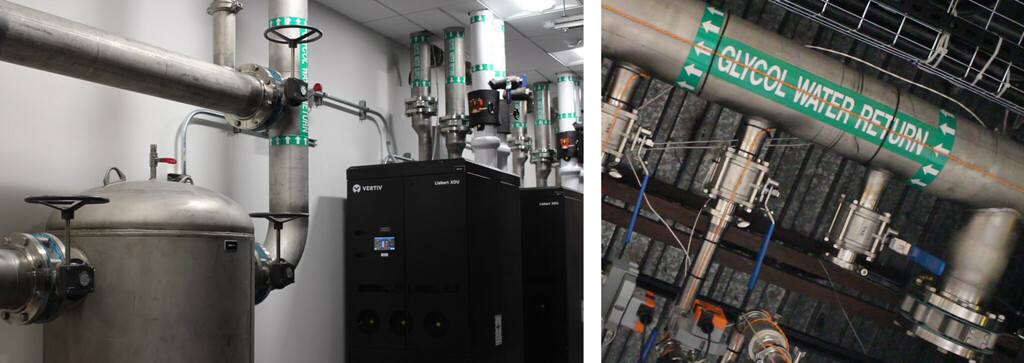
NVIDIA, led by Jensen Huang, explains that energy efficiency is not just about consuming less power but about completing more computational work per kilowatt-hour used. That metric has become one of the biggest challenges for digital infrastructure.
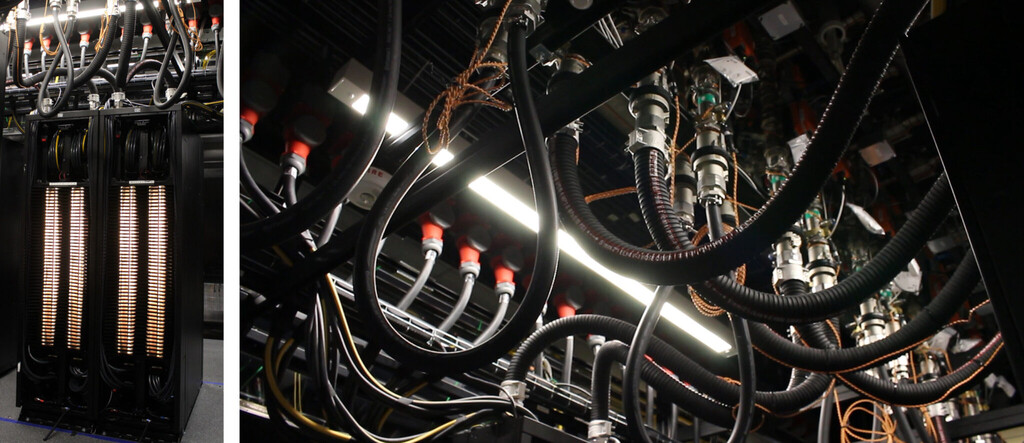
Traditional air cooling struggles to keep up with the heat density of modern AI accelerators. As chips become more powerful, air-based systems require more energy to move enough air, creating a vicious cycle of higher consumption.
NVIDIA's Rubin Platform: 100% Liquid Cooling
The technical answer comes with Rubin, NVIDIA's AI infrastructure generation that, according to the company, is the first to achieve 100% liquid cooling. This means not only the accelerators are cooled with liquid but also other components that previously relied on air.
By using a coolant at 45°C, NVIDIA flips the conventional wisdom that cooling must be as cold as possible. A warmer coolant can still effectively absorb heat from chips, and because it is closer to ambient temperature, the system may require less energy for chilling.
This approach can reduce the need for energy-intensive chillers and fans, potentially lowering the overall power usage effectiveness (PUE) of data centers. It also allows for more heat reuse, as the captured heat is at a higher temperature and thus more useful for district heating or other applications.
Key Takeaways
- NVIDIA's Rubin platform is the first to use 100% liquid cooling, including components beyond accelerators.
- The coolant operates at 45°C, which is warmer than many jacuzzis, reducing the need for energy-intensive chilling.
- Energy efficiency in AI data centers is measured by computational work per kilowatt-hour, not just total power consumed.
- Warmer liquid cooling enables heat reuse and can lower PUE, addressing the growing energy demand of AI.
- This shift is a response to the increasing heat density of AI chips and the limitations of air cooling.
How Liquid Cooling Works and Why Temperature Matters
Liquid cooling involves circulating a coolant through cold plates attached to heat-generating components. The liquid absorbs heat and carries it away to a heat exchanger or chiller.
The temperature of the coolant is critical. Colder coolant can absorb more heat but requires more energy to chill. Warmer coolant, like 45°C, reduces chilling energy but must still be cool enough to prevent overheating.
NVIDIA's choice of 45°C is a balance: it is cool enough to keep chips within safe operating limits but warm enough to minimize cooling energy and enable heat reuse.
Comparing Cooling Approaches
| Cooling Method | Coolant Temperature | Energy Efficiency | Heat Reuse Potential | Complexity |
|---|---|---|---|---|
| Traditional Air Cooling | Ambient (approx. 20-25°C) | Low to moderate | Low | Low |
| Cold Liquid Cooling | 10-20°C | Moderate | Low | High |
| NVIDIA's Warm Liquid Cooling | 45°C | High | High | Moderate to high |
As the table shows, warm liquid cooling offers a sweet spot: it avoids the energy penalty of chilling while still providing effective cooling and enabling heat reuse.
What This Means for the Future of AI Infrastructure
The move to warm liquid cooling reflects a broader trend: as AI models grow, data centers must become more efficient in every aspect. NVIDIA's approach could set a new standard for the industry. The background to this story is set out in Microsoft AI Chip Shortage Threatens Data Center Expansion. A related thread runs through Spain Softens Data Center Rules to Attract AI Investment. Earlier coverage in Data Centers' Water Consumption Triples: The Hidden Cost of AI shows how the argument developed.
However, challenges remain, including the need for new infrastructure, compatibility with existing systems, and the availability of trained personnel. But with the pressing need to reduce energy consumption, such innovations are likely to gain traction. A closer look at the same subject appears in Nvidia GPUs: Hyperscalers Hoard Billions in Unused Chips. Anyone following the wider picture can start with Nokia's AI Transformation: From 3310 to Data Center Powerhouse. The same theme surfaces in Nvidia's $4 Billion Photonics Bet: The Future of AI Data Centers, which takes a different angle.
Energy utilities and data center operators will need to adapt to these changes. The integration of heat reuse systems could also create new opportunities for collaboration between data centers and district heating networks. Context on how this played out before sits in Bedrock Robotics Raises $600M for AI Excavators to Build Data Centers.
FAQ
What is NVIDIA's Rubin platform?
Rubin is NVIDIA's next-generation AI infrastructure platform that achieves 100% liquid cooling, including for components beyond the accelerators. It uses a coolant at 45°C to improve energy efficiency and enable heat reuse.
Why use a coolant at 45°C instead of colder liquid?
A warmer coolant reduces the energy needed for chilling and allows the captured heat to be reused at a higher temperature. It still effectively cools the chips while minimizing overall energy consumption.
How does liquid cooling improve energy efficiency in data centers?
Liquid cooling is more efficient at transferring heat than air, allowing data centers to use less energy for cooling. Warm liquid cooling further reduces energy use by minimizing the need for chillers and fans.
What are the challenges of implementing warm liquid cooling?
Challenges include retrofitting existing data centers, ensuring compatibility with hardware, and training staff. However, the potential energy savings and heat reuse benefits make it an attractive solution for new builds.
As AI continues to expand, the pressure on data centers to operate efficiently will only increase. NVIDIA's warm liquid cooling is a significant step toward sustainable AI infrastructure. For related developments, see how Finlandia detiene la tala de Google para centros de datos highlights the intersection of data centers and environmental concerns.
Energy utilities and policymakers must stay informed about these technologies to manage grid demand and promote sustainability. The conversation around data center energy use is evolving, and innovations like this will shape the future.
Browse the Shop
 Acacia frida deluxe solid wood bed frame |
Bedroom bench |
Bed chest drawers |
Lingerie dresser |
Frame base |
Mirror with jewelry storage |
30 Bathroom Vanity |
Memory foam queen mattress |
Mattresses for back pain |
Nightstand set of 2 |
Grand Goldman Shop |
Civil Lawyer
Deutschland Trikot WM 2026







