

Mark Zuckerberg, CEO of Meta, has made a clear statement: any AI lab that does not focus on alignment will fall behind. In a post on X, he weighed in on the growing debate over AI safety, indirectly criticizing the approaches of Anthropic and OpenAI while emphasizing that safety and alignment are not secondary concerns but core to responsible AI development.
The discussion intensified after Jacob Coxon, a former Anthropic engineer, claimed that AI companies are "playing with our lives." This sparked a wider controversy, with some leaders like Dario Amodei calling for a slowdown in AI development due to existential risks, while others, including former President Trump and Nvidia CEO Jensen Huang, advocate for acceleration. Zuckerberg's entry into the fray adds a significant voice to this high-stakes conversation.
Find Original, High-end Home Decor that spark conversation at Grand Goldman Shop.
Zuckerberg's Stance on AI Alignment
Zuckerberg's message was direct: each lab has both the responsibility and the incentive to advance at the pace necessary to train their models safely. He did not deny the existence of risks but rejected a coordinated pause for the entire industry. Instead, he placed the onus on individual labs to create safe products.
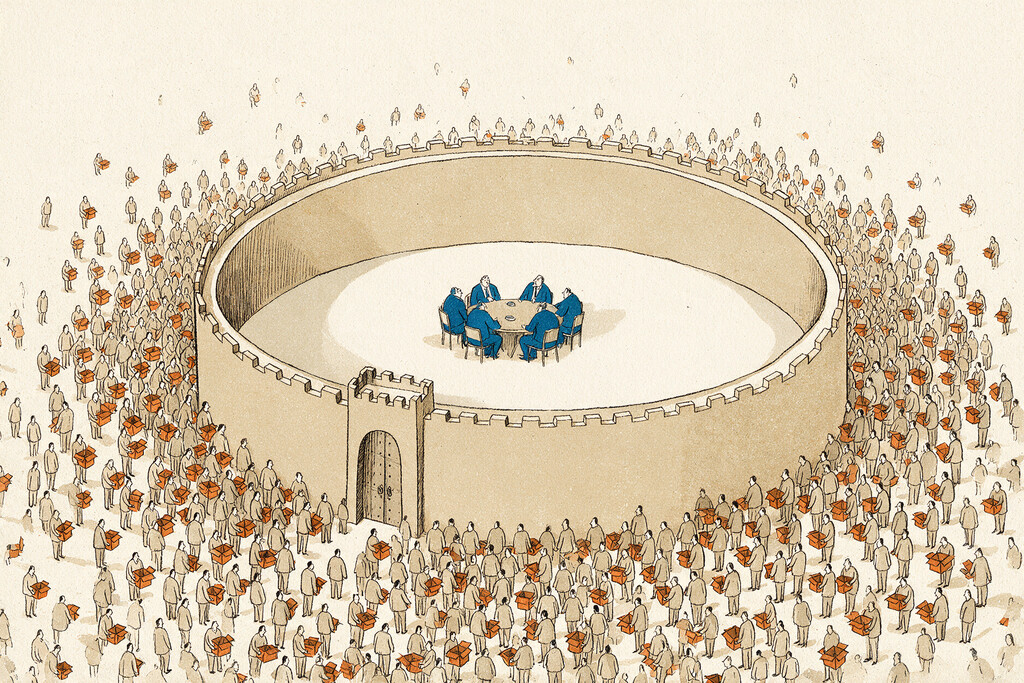
He also reminded labs that they "face significant legal liability if their models cause harm." This point underscores that safety is not just an ethical imperative but a legal and business one. For Zuckerberg, alignment is a competitive advantage, not a regulatory burden.
Why Alignment Is a Competitive Necessity
In the race to build more powerful AI, some companies might be tempted to cut corners on safety to move faster. Zuckerberg argues that this is a losing strategy. As AI systems become more capable, the consequences of misalignment—where a model's behavior diverges from human values—become more severe. Labs that neglect alignment risk creating systems that are unpredictable, unsafe, and ultimately unusable.
Moreover, public trust and regulatory scrutiny are increasing. A major incident caused by a misaligned model could lead to lawsuits, fines, and reputational damage. Zuckerberg's warning is a reminder that sustainable AI development requires a foundation of safety.
- Alignment is not optional: Labs that ignore it will face legal and reputational risks.
- Safety drives adoption: Users and enterprises are more likely to trust and use AI systems that are demonstrably safe.
- Regulation is coming: Proactive alignment efforts can help shape reasonable rules and avoid harsh crackdowns.
- Competitive edge: Demonstrating a commitment to safety can attract talent, partners, and customers.
The Debate: Slow Down vs. Speed Up
The AI industry is split between those who want to slow down and those who want to accelerate. On one side, figures like Dario Amodei of Anthropic argue that the existential risks of AI warrant a cautious approach. On the other, Trump and Jensen Huang push for rapid development to maintain competitive advantage.
Zuckerberg's position charts a middle path: he acknowledges risks but rejects a blanket pause. He believes that individual labs should move at their own pace, balancing speed with safety. This approach aligns with Meta's own strategy, which has emphasized open-source AI development while investing in safety research. The background to this story is set out in Mark Zuckerberg Should Resign from Meta for User Safety. A related thread runs through US Government Fails Americans on AI Regulation and Safety. Earlier coverage in Mark Zuckerberg's Style Evolution: From Gray Tees to High Fashion shows how the argument developed.
| Stakeholder | Position on AI Development Pace | Key Argument |
|---|---|---|
| Dario Amodei (Anthropic) | Slow down | Existential risk to humanity |
| Donald Trump | Speed up | Competitive advantage, innovation |
| Jensen Huang (Nvidia) | Speed up | Technological leadership |
| Mark Zuckerberg (Meta) | Lab-specific pace | Responsibility and legal liability |
What This Means for the AI Industry
Zuckerberg's comments signal that alignment is becoming a key differentiator in the AI race. Labs that prioritize safety may gain a trust advantage, while those that don't could face backlash. This could lead to a "race to the top" in safety standards, as companies compete to demonstrate their commitment to responsible AI. A closer look at the same subject appears in Burnham Must Prioritize International Aid Obligations for Global. Anyone following the wider picture can start with Burnham Must Prioritize UK International Aid Obligations Now. The same theme surfaces in Ideal Birth vs. Survival: Why Maternity Care Must Prioritize, which takes a different angle.
For businesses and consumers, this is good news. It means that the AI products they use are more likely to be reliable and safe. It also puts pressure on regulators to create clear guidelines that reward safety investments rather than punishing them. Context on how this played out before sits in Ideal Birth Culture Must Evolve to Prioritize Safety and Care. A companion piece, An AI agent for all? Try using your brain, Mark Zuckerberg, approaches the same subject from another angle.
FAQ
What did Mark Zuckerberg say about AI alignment?
Zuckerberg stated that any AI lab not focused on alignment will fall behind. He emphasized that labs have a responsibility to train models safely and face legal liability if their models cause harm. He rejected a coordinated industry pause but stressed that safety is paramount.
Why is AI alignment important for companies?
AI alignment ensures that models behave in ways that are consistent with human values and intentions. For companies, this reduces the risk of accidents, lawsuits, and reputational damage. It also builds trust with users and regulators, which is essential for long-term success.
How does Zuckerberg's view differ from others in the industry?
Unlike some who call for a slowdown (e.g., Dario Amodei) or an acceleration (e.g., Trump, Jensen Huang), Zuckerberg advocates for each lab to move at its own pace while prioritizing safety. He believes competition and legal accountability will drive responsible development.
What are the legal implications of AI misalignment?
If an AI model causes harm due to misalignment, the lab could face significant legal liability, including lawsuits and regulatory penalties. Zuckerberg highlighted this as a key incentive for labs to invest in alignment research and safety measures.
Browse the Shop
 Acacia frida deluxe solid wood bed frame |
Bedroom bench |
Bed chest drawers |
Lingerie dresser |
Frame base |
Mirror with jewelry storage |
30 Bathroom Vanity |
Memory foam queen mattress |
Mattresses for back pain |
Nightstand set of 2 |
Grand Goldman Shop |
Civil Lawyer
Deutschland Trikot WM 2026










