

Foxconn, the world's largest contract electronics manufacturer, is aggressively pivoting from its role as the primary assembler of iPhones and Xbox consoles to become a major player in artificial intelligence, robotics, and electric vehicles. The company showcased its ambitious vision at Vivatech in Paris last week, signaling a strategic shift that could redefine its future.
Why Foxconn Is Expanding Beyond Assembly
For years, Foxconn has been the invisible engine behind many of the world's most popular gadgets, assembling products for Apple, Microsoft, and others. But the company wants to shed its image as a low-margin assembler and move up the value chain. Its new focus on AI, robots, and EVs represents a bid to capture higher profits and diversify its revenue streams.
Find Original Home Decor sparking conversation at Grand Goldman Shop.

This isn't just about ambition; it's about survival. As labor costs rise and geopolitical tensions reshape supply chains, Foxconn needs to stay ahead. By investing in cutting-edge technologies, it aims to become a one-stop shop for companies looking to build complex products, from AI servers to autonomous vehicles.
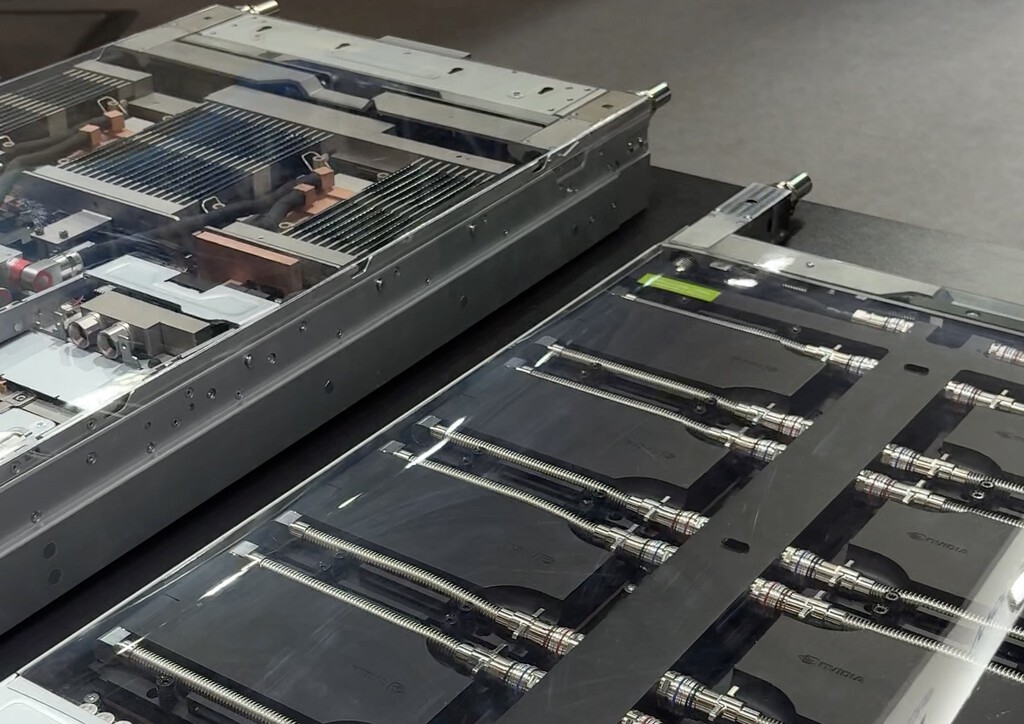
Foxconn's AI Ambitions: Partnering with Nvidia
A key part of Foxconn's strategy is its deepening partnership with Nvidia. The company is gearing up to manufacture hardware for Nvidia's upcoming Vera Rubin AI platform, which promises to be at the forefront of AI training and inference. Foxconn's factories are being retooled to produce these high-performance systems at scale.
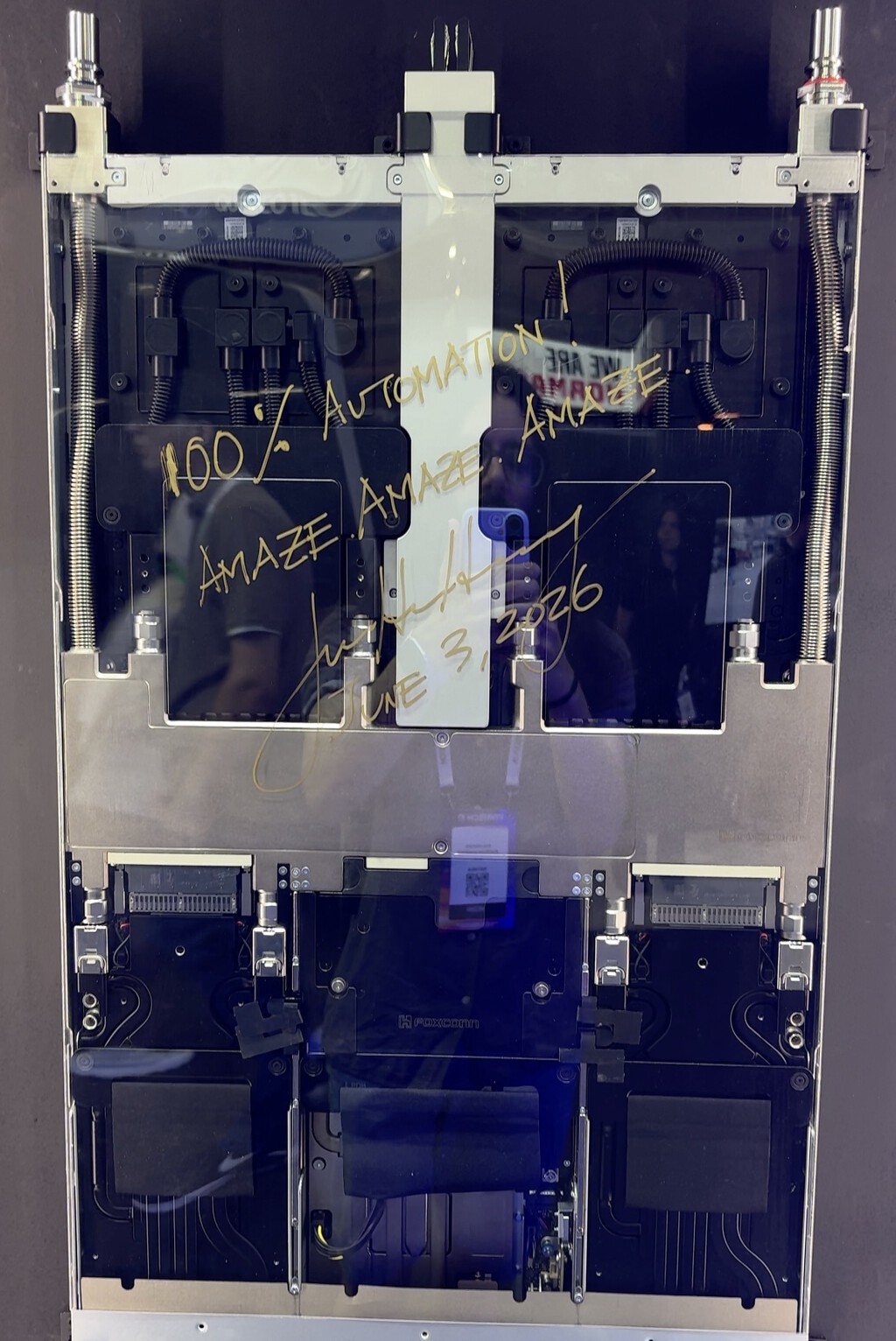
This collaboration positions Foxconn as a critical player in the AI supply chain. As demand for AI infrastructure skyrockets, Foxconn stands to benefit enormously. The company is already producing servers and components for data centers, and the Nvidia deal could accelerate its growth in this sector.
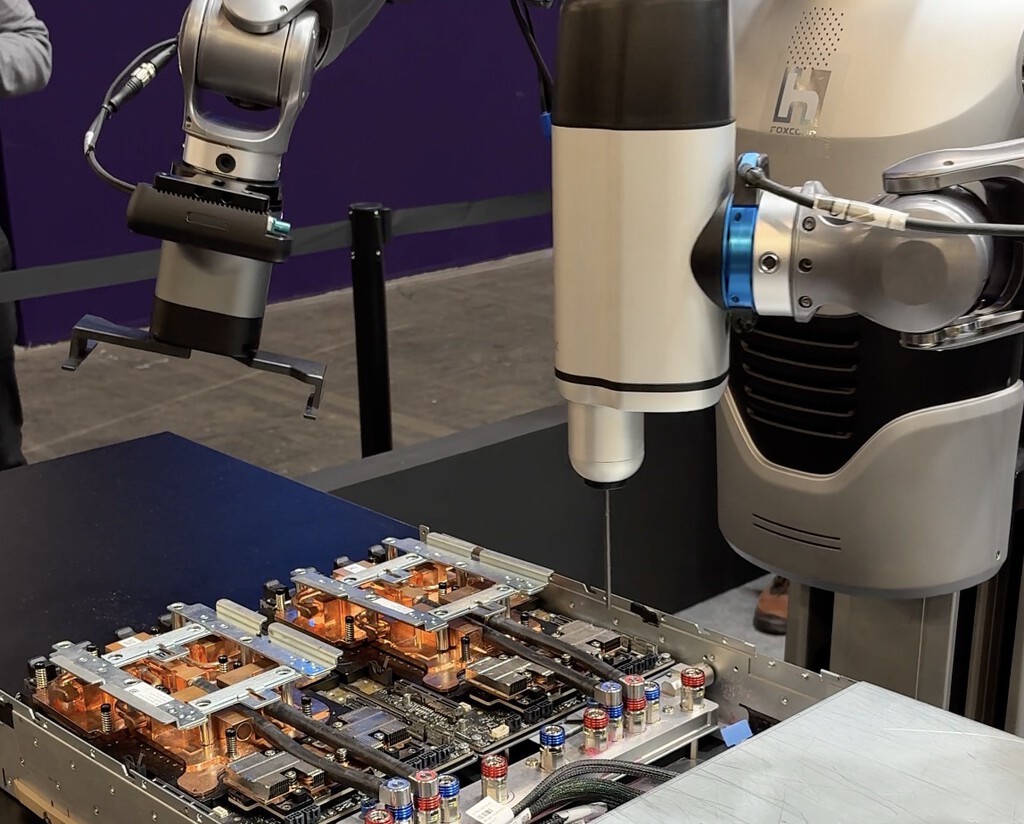
Robots and EVs: The Next Frontier
At Vivatech, Foxconn also displayed its prowess in robotics, including humanoid robots and robotic assistants. These aren't just prototypes; they reflect Foxconn's intention to automate its own factories and eventually sell robots to other industries. The company has been investing heavily in automation to reduce costs and improve efficiency.
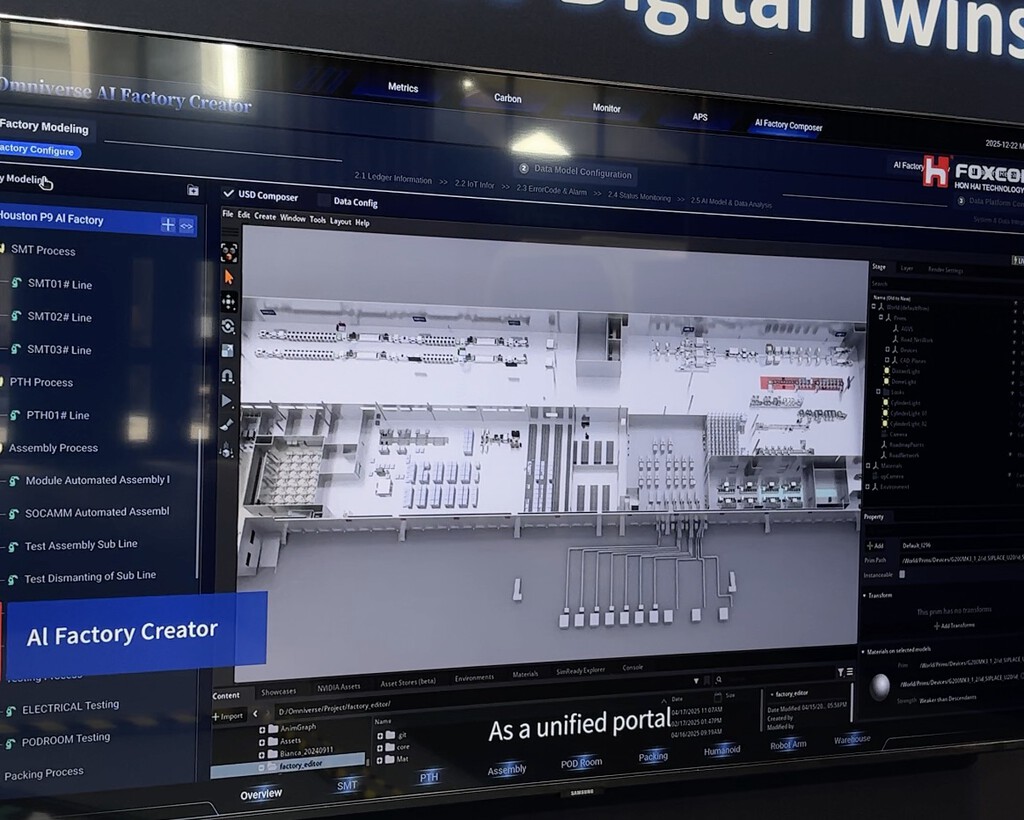
In the EV space, Foxconn has launched its own electric vehicle platform and is partnering with automakers to provide manufacturing services. It aims to become the "Android of EVs" by offering a flexible platform that other companies can build upon. This could lower barriers to entry for new car companies and disrupt the traditional automotive industry.
Key Takeaways from Foxconn's Transformation
- Foxconn is transitioning from a contract assembler to a diversified tech giant focused on AI, robotics, and EVs.
- Its partnership with Nvidia on the Vera Rubin AI platform could make it a key player in AI hardware manufacturing.
- The company is developing humanoid robots and robotic assistants for both internal use and commercial sale.
- Foxconn's EV platform aims to democratize electric vehicle production, similar to how Android democratized smartphones.
- This strategic shift is driven by rising costs, supply chain shifts, and the need for higher margins.
What This Means for the Tech Industry
Foxconn's move into AI, robots, and EVs could have far-reaching implications. For one, it could intensify competition in these already crowded fields. Companies like Tesla in EVs, and various AI hardware manufacturers, may face a formidable new rival with deep manufacturing expertise.
Moreover, Foxconn's scale and experience in mass production could accelerate the adoption of new technologies. By offering cost-effective manufacturing solutions, it could help bring AI and robotics to smaller companies that previously couldn't afford them.
Challenges Ahead
Despite its ambitions, Foxconn faces significant challenges. The AI hardware market is highly competitive, with established players like Dell and Supermicro. In EVs, the company will need to prove it can deliver on its promises and win over automakers who may be hesitant to rely on a newcomer.
Additionally, Foxconn's reputation for labor practices and its dependence on Apple remain concerns. The company must navigate these issues while executing its transformation. The background to this story is set out in Tesla Profits Slide as Revenue Grows Amid AI and Robotics Pivot. A related thread runs through Xiaomi's Humanoid Robots Now Assemble Cars Beyond Just Screws. Earlier coverage in Trump's Strategic ICE Pivot: From Mass Raids to Quiet Crackdown shows how the argument developed.
What to Watch Next
Investors and industry watchers should keep an eye on Foxconn's progress with Nvidia's Vera Rubin platform, as well as any new EV partnerships. The company's ability to scale its robotics business will also be crucial. If successful, Foxconn could become a model for other manufacturers looking to reinvent themselves. A closer look at the same subject appears in Toyota Robotics: Automaker's Bold Move Beyond Cars. Anyone following the wider picture can start with Robots Now Assemble Aircraft Engines at Pratt & Whitney. The same theme surfaces in Tesla to End Cybertruck Production as Musk Pivots to Robotics and AI, which takes a different angle.
In the coming months, Foxconn is expected to announce further details about its AI and EV initiatives. Its performance will be a bellwether for the broader trend of manufacturing companies moving into high-tech sectors. Context on how this played out before sits in Tesla Profits Slide Despite Revenue Growth as AI Pivot Continues. A companion piece, Chelsea Transfer Pivot: Jordan Henderson Signing Signals Shift, approaches the same subject from another angle.
FAQ
What is Foxconn's new strategy?
Foxconn is shifting from being primarily an assembler of consumer electronics to focusing on artificial intelligence, robotics, and electric vehicles. This move aims to capture higher profits and diversify its business.
How is Foxconn involved with Nvidia?
Foxconn is partnering with Nvidia to manufacture hardware for Nvidia's Vera Rubin AI platform. This positions Foxconn as a key supplier in the AI hardware supply chain.
What kind of robots is Foxconn developing?
Foxconn is developing humanoid robots and robotic assistants for use in its own factories and for sale to other industries. These robots are designed to automate tasks and improve efficiency.
Will Foxconn make its own electric vehicles?
Foxconn has launched its own EV platform and is partnering with automakers to provide manufacturing services. It aims to be a contract manufacturer for EVs, similar to its role in electronics.
Browse the Shop
 Acacia frida deluxe solid wood bed frame |
Bedroom bench |
Bed chest drawers |
Lingerie dresser |
Frame base |
Mirror with jewelry storage |
30 Bathroom Vanity |
Memory foam queen mattress |
Mattresses for back pain |
Nightstand set of 2 |
Grand Goldman Shop |
Civil Lawyer
Deutschland Trikot WM 2026







