

Honda is testing wireless charging roads that could power electric vehicles while they drive, potentially solving one of the biggest barriers to EV adoption: long charging stops. The Japanese automaker's research subsidiary, in partnership with Taisei Corporation and Taisei Rotec, has developed a dynamic wireless power transfer (DWPT) system that transfers energy from the road to the vehicle through magnetic coupling—no plugs, no cables.
The concept is simple: embed charging coils in the road so that EVs can pick up power as they travel. If successful, it could eliminate the need for lengthy charging breaks on long trips, making electric transport far more practical for logistics and eventually passenger cars.
Find Original, High-end Home Decor that spark conversation at Grand Goldman Shop.
How Honda's Wireless Charging Road Works
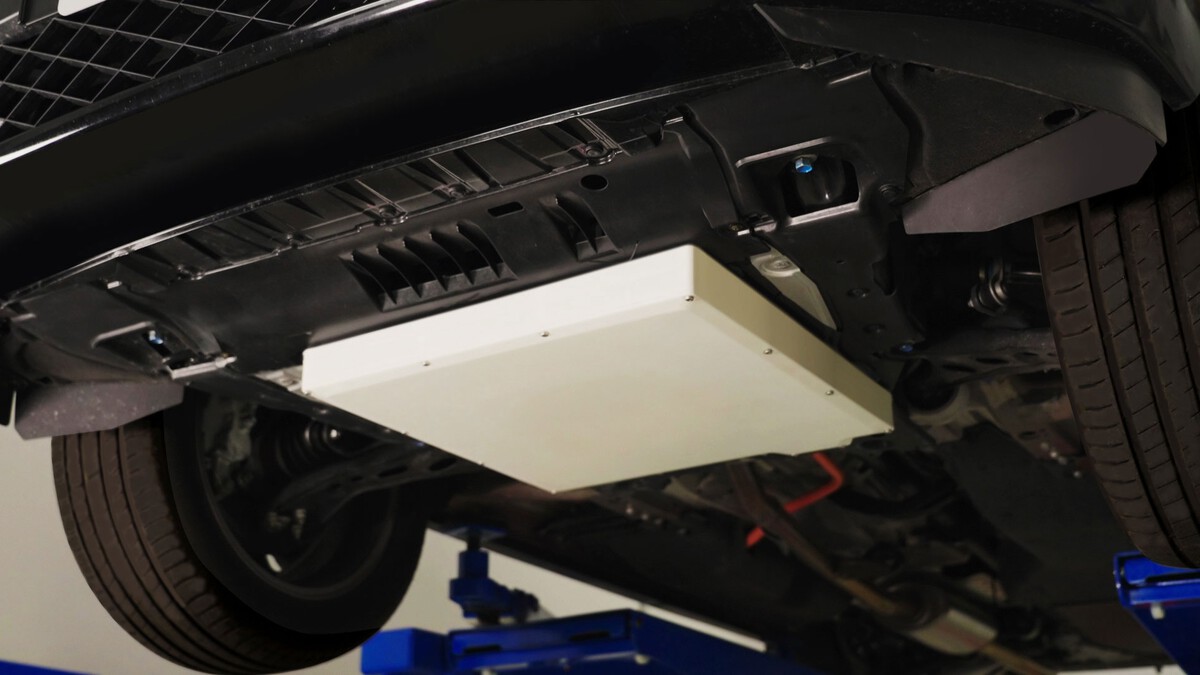
The DWPT system consists of three main components: a power source, coils embedded in the road, and a receiver on the vehicle. Energy is transferred wirelessly via magnetic fields, similar to wireless phone chargers but on a much larger scale.
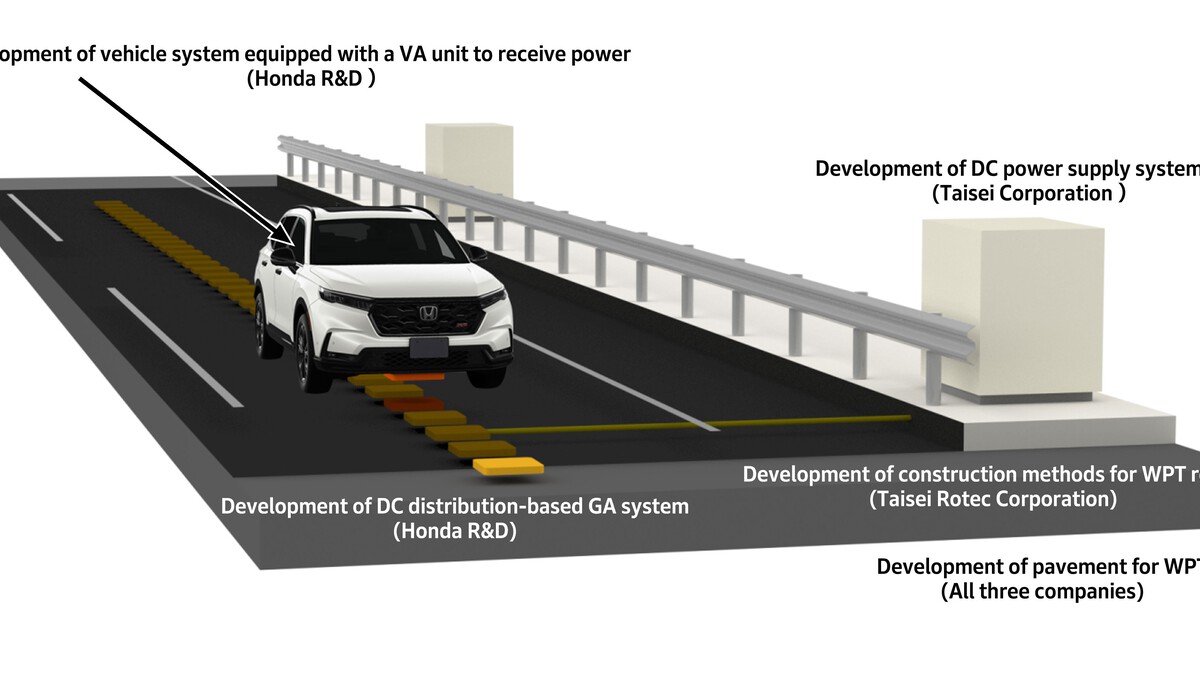
Honda is initially focusing on commercial logistics vehicles, which have predictable routes and can benefit most from continuous charging. The system allows vehicles to charge while in motion, reducing downtime and extending range without larger batteries.
Why This Matters for Electric Transportation
Electrification is seen as a key way to cut carbon emissions, but the need for frequent charging stops remains a major obstacle. For long-haul trucking, switching from a five-minute refuel to multiple charging stops of several minutes each is a tough sell.
Wireless charging roads could change that calculus. By charging continuously, vehicles could travel longer distances with smaller batteries, lowering costs and weight. For logistics companies, time is money—and continuous charging could keep fleets moving.
Challenges and Limitations
Despite the promise, several hurdles remain. The infrastructure cost is enormous: embedding coils in roads requires significant investment and coordination with road authorities. Efficiency also matters—wireless transfer loses some energy compared to plug-in charging.
Standardization is another issue. For the technology to be widely adopted, automakers and road operators must agree on standards. Honda's partnership with construction firms suggests they are working on practical deployment, but widespread rollout is likely years away.
Honda's Testing Timeline
Honda has announced an ambitious testing schedule. While details are limited, the company plans to begin trials in controlled environments before moving to public roads. The involvement of Taisei Corporation and Taisei Rotec indicates a focus on real-world road construction and durability.
If successful, the technology could be integrated into new road projects, particularly in Japan where infrastructure investment is strong. However, mass adoption will depend on cost reductions and proven reliability. The background to this story is set out in BYD Effect: How Electric Vehicle Boom Fights Inflation. A related thread runs through Electric Vehicle Batteries Linked to Deforestation in Indonesia. Earlier coverage in Wireless Charging Desk for Cell Phones! shows how the argument developed.
What to Watch Next
Keep an eye on Honda's pilot programs and any announcements about partnerships with logistics companies. Success will hinge on whether the system can deliver consistent power at highway speeds and in various weather conditions. A closer look at the same subject appears in Build Your Own Nightstand with Wireless Cell Phone Charging. Anyone following the wider picture can start with Supercars Popularity Surge: Fast, Furious and Potentially Fatal. The same theme surfaces in Honda Cancels Big Electric SUV — Industry Shock, which takes a different angle.
Regulatory approval will also be crucial. Governments will need to establish safety and efficiency standards for wireless charging roads. If Honda can demonstrate a viable business case, other automakers may follow suit. Context on how this played out before sits in Swedish Design: The Blueprint for Modern Electric Vehicles. A companion piece, Electric vehicles now almost quarter of Australia's new car sales, approaches the same subject from another angle.
FAQ
What is dynamic wireless power transfer (DWPT)?
DWPT is a technology that allows electric vehicles to charge wirelessly while driving over specially equipped roads. It uses magnetic fields to transfer energy from coils in the road to a receiver on the vehicle.
Which vehicles will use Honda's wireless charging roads first?
Honda is initially targeting commercial logistics vehicles, such as trucks and delivery vans, because they have predictable routes and stand to gain the most from continuous charging.
When will wireless charging roads be available?
Honda has not announced a specific timeline, but testing is underway. Widespread deployment is likely years away due to infrastructure costs and the need for standardization.
What are the main challenges for wireless charging roads?
The biggest challenges include high infrastructure costs, energy efficiency losses, and the need for industry-wide standards. Coordination between automakers, road operators, and governments is essential.
Browse the Shop
 Acacia frida deluxe solid wood bed frame |
Bedroom bench |
Bed chest drawers |
Lingerie dresser |
Frame base |
Mirror with jewelry storage |
30 Bathroom Vanity |
Memory foam queen mattress |
Mattresses for back pain |
Nightstand set of 2 |
Grand Goldman Shop |
Civil Lawyer
Deutschland Trikot WM 2026










