The long-awaited high-speed rail connection to Spain's Basque Country is facing its most daunting engineering challenge yet: building seven viaducts in just seven kilometers. The stretch between Manzanos in Álava and La Puebla de Arganzón in Burgos may look short on a map, but it packs a huge punch for the team tasked with making it a reality.
The Spanish Ministry of Transport has confirmed the award of the contract for the third section of the Burgos-Vitoria high-speed line through Adif AV. The investment of €241.6 million for such a short segment underscores the complexity of the terrain and the scale of the infrastructure required.
Find Original, High-end Home Decor that spark conversation at Grand Goldman Shop.
Why Seven Viaducts in Seven Kilometers?
The route between Manzanos and La Puebla de Arganzón crosses a landscape that is anything but flat. To maintain the high speeds required for modern rail travel—over 200 km/h—the track must avoid steep gradients and sharp curves. That means bridging every obstacle in the path.
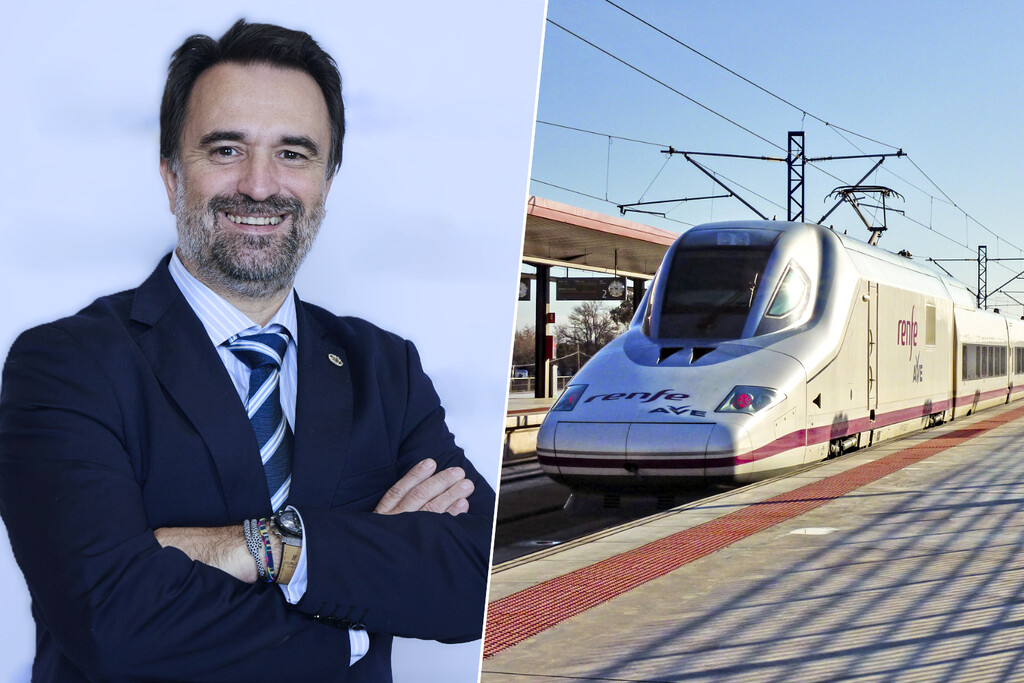
Each viaduct is a major structure in itself, and having seven in such a short distance is exceptional. The engineering team will need to design and build these elevated sections to withstand not only the weight of the trains but also environmental factors like wind and seismic activity.
The Engineering Behind the Viaducts
Building a viaduct for high-speed rail is far more complex than constructing a road bridge. The structures must be extremely rigid to support trains traveling at speed, and they must be built with precision to ensure a smooth ride. The seven viaducts will vary in length and height, depending on the terrain they cross.
Adif AV, the entity responsible for high-speed rail infrastructure, will oversee the construction. The contract includes not only the viaducts but also the earthworks, drainage, and other necessary infrastructure to prepare the corridor.
What This Means for the Basque Y Project
The Basque Y is the name given to the high-speed rail network that will connect the three Basque capitals—Vitoria-Gasteiz, Bilbao, and San Sebastián—and link them to the rest of Spain and Europe. The Burgos-Vitoria line is a critical piece of this puzzle, as it will provide the connection to the main high-speed network.
Once completed, the Basque Y will dramatically reduce travel times. For example, the journey from Madrid to Vitoria could drop to around three hours, and Bilbao would be within four hours of the capital. This will boost business travel, tourism, and economic integration across the region.
- Investment: €241.6 million for a 7 km section, highlighting the high cost of difficult terrain.
- Structures: Seven viaducts will be built to maintain high-speed alignment.
- Timeline: Construction is expected to take several years, with no official completion date yet.
- Impact: The line will cut travel times between the Basque Country and major Spanish cities.
- Challenges: The project faces technical, environmental, and logistical hurdles.
Comparison of Key Sections
To put the challenge in perspective, here's how the Burgos-Vitoria line compares to other high-speed sections in Spain: Context on how this played out before sits in Spain's Basque Y High-Speed Rail: Seven Viaducts in Seven Kilometers.
| Section | Length (km) | Number of Viaducts | Investment (€ million) |
|---|---|---|---|
| Manzanos - La Puebla de Arganzón | 7 | 7 | 241.6 |
| Other typical sections | 10-20 | 1-3 | 100-200 |
As the table shows, the density of viaducts in this section is unusually high, which explains the significant investment. The background to this story is set out in High-Speed Rail Revolution: Why Britain Lags Behind Global. A related thread runs through Spain's High-Speed Rail Reliability Crisis: What the AVE Fire Reveals.
What to Watch Next
The award of this contract is a milestone, but construction is just beginning. The next steps include detailed design, environmental approvals, and actual construction. The project will also need to manage disruptions to local communities and minimize environmental impact. Earlier coverage in High-Speed Rail Revolution: How Dynamic Countries Lead the Way shows how the argument developed. A closer look at the same subject appears in Car: latest articles.
For travelers and businesses in the Basque Country, the completion of the Basque Y cannot come soon enough. The improved connectivity will open up new opportunities and make the region more accessible than ever before. Anyone following the wider picture can start with Adif's Official Map: All Railway Infrastructure Works in Spain. The same theme surfaces in Ouigo vs Renfe: Workshop Dispute Over 16 Trains Heats, which takes a different angle.
FAQ
What is the Basque Y?
The Basque Y is a high-speed rail network in Spain's Basque Country that will connect the cities of Vitoria-Gasteiz, Bilbao, and San Sebastián, and link them to the rest of Spain and Europe.
Why are seven viaducts needed in seven kilometers?
The terrain between Manzanos and La Puebla de Arganzón is hilly and requires bridges to maintain a straight, level track for high-speed trains. Seven viaducts are necessary to cross valleys, rivers, and roads without steep gradients.
How much is being invested in this section?
The Spanish Ministry of Transport has awarded €241.6 million for the construction of this 7 km section, reflecting the complexity of the engineering work.
When will the Basque Y be completed?
There is no official completion date yet, but the project is progressing with several sections under construction. The Burgos-Vitoria line is a critical part and is expected to take several more years to finish.
Browse the Shop
 Acacia frida deluxe solid wood bed frame |
Bedroom bench |
Bed chest drawers |
Lingerie dresser |
Frame base |
Mirror with jewelry storage |
30 Bathroom Vanity |
Memory foam queen mattress |
Mattresses for back pain |
Nightstand set of 2 |
Grand Goldman Shop |
Civil Lawyer
Deutschland Trikot WM 2026