

Tokyo has four times the population of Madrid yet experiences virtually no traffic jams, and the secret lies in a policy called Shako Shomeisho. While Madrid struggles with congestion, Tokyo's streets flow smoothly despite housing 14.22 million people compared to Madrid's 3.23 million. How does Japan achieve this? The answer lies in strict car ownership rules and a culture that prioritizes public transit, walking, and cycling.
Population Density and Car Ownership: A Tale of Two Cities
Spain packs 48.35 million people into 506,030 square kilometers, while Japan squeezes 124.5 million into just 377,974 square kilometers. Tokyo's density is 6,501.58 inhabitants per square kilometer, higher than Madrid's 5,265.91. Despite this, Japan has 76.7 million cars versus Spain's 29.9 million, yet car ownership per capita is similar: 609 cars per 1,000 people in Japan and 629 in Spain. So why isn't Japan a traffic nightmare?
Find Original Home Decor sparking conversation at Grand Goldman Shop.

What Is Shako Shomeisho?
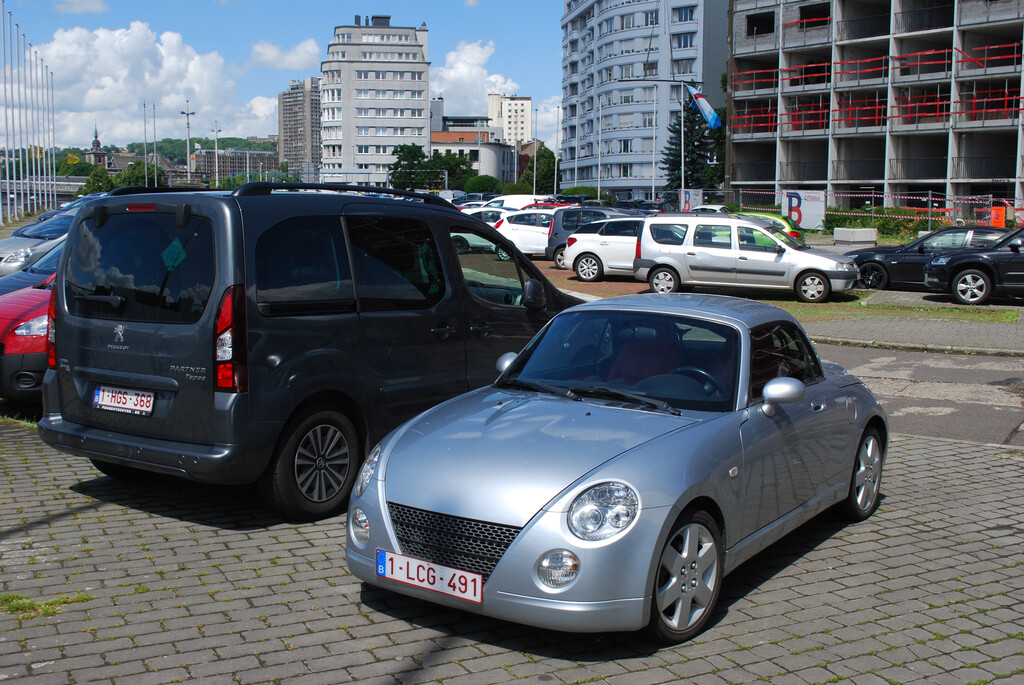
Shako Shomeisho is a parking certificate required to own a car in Japan. Before buying a vehicle, you must prove you have a designated parking space. This policy effectively caps the number of cars in dense cities like Tokyo, where space is scarce and expensive. Without a parking spot, you cannot register a car, drastically reducing potential car owners.

How Shako Shomeisho Works in Practice
In Tokyo, securing a parking space can cost as much as an apartment. The certificate must be obtained from the local police, and the parking spot must be within 2 kilometers of your residence. This bureaucratic hurdle ensures that only those who truly need a car—and can afford the associated costs—own one. As a result, many residents rely on Tokyo's extensive public transportation network.
The Role of Public Transportation and Urban Design
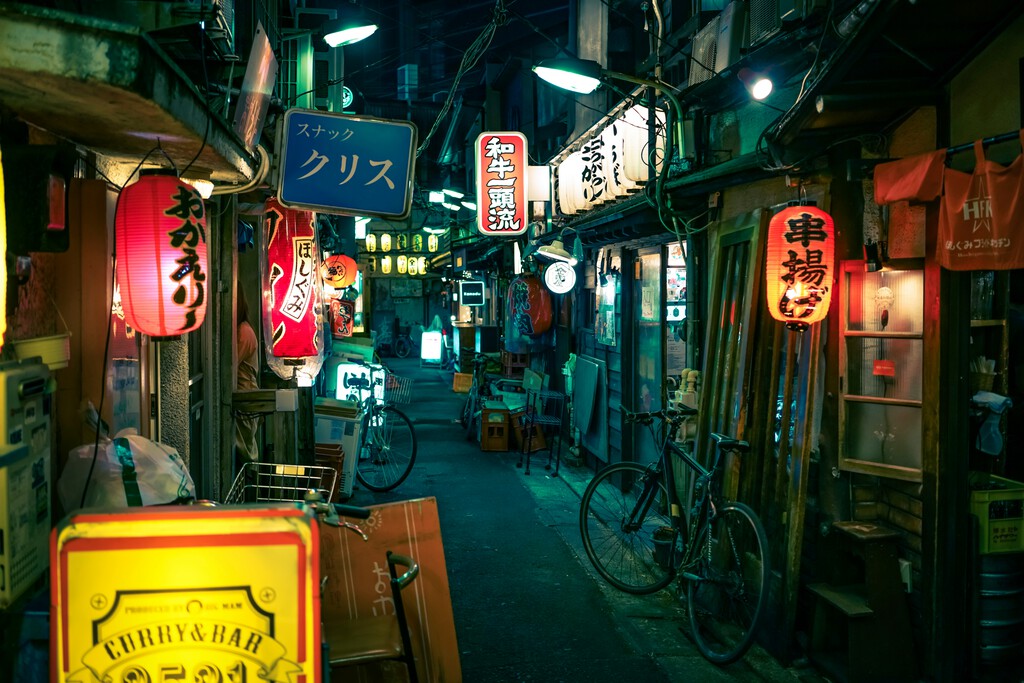
Japan's investment in public transit is legendary. Tokyo's train and subway system is among the most efficient in the world, carrying millions of passengers daily. Additionally, urban design encourages walking and cycling with narrow streets and mixed-use zoning. In contrast, Madrid's sprawling layout and car-centric infrastructure have led to higher dependency on automobiles. The background to this story is set out in Madrid Faces Critical A-5 Tunnel Milestone With Full Traffic Closure. A related thread runs through Madrid Traffic Chaos: F1 Grand Prix, Roadworks and Metro Cuts. Earlier coverage in Hanging Pots without Limits for your Garden shows how the argument developed.
- Shako Shomeisho requires proof of parking before car ownership.
- Japan's car ownership per capita is similar to Spain's, but distribution is limited in cities.
- Tokyo's public transit network is extensive and reliable.
- Urban design in Japan favors pedestrians and cyclists.
- High parking costs deter unnecessary car ownership.
Comparing Traffic Congestion: Tokyo vs Madrid
Madrid's traffic congestion is a common complaint, with rush hour delays and pollution. Tokyo, despite its size, maintains smoother traffic flow. The difference is not just Shako Shomeisho but a holistic approach to mobility that includes efficient public transport, strict parking regulations, and a cultural shift away from car dependency. A closer look at the same subject appears in Madrid A-5 Tunnel Works: Traffic Chaos and What to Expect. Anyone following the wider picture can start with Car: latest articles. The same theme surfaces in Madrid's A-5 Highway Restores Straight Route After Mario Kart Detour, which takes a different angle.
| Metric | Tokyo | Madrid |
|---|---|---|
| Population (city) | 14.22 million | 3.23 million |
| Population density (per km²) | 6,501.58 | 5,265.91 |
| Car ownership (per 1,000 people) | 609 | 629 |
| Parking requirement | Yes (Shako Shomeisho) | No |
| Traffic congestion | Low | High |
What Other Cities Can Learn from Tokyo
The success of Shako Shomeisho shows that limiting car ownership through parking requirements can significantly reduce congestion. Cities like Madrid could adopt similar policies, combined with investments in public transit and bike lanes. However, such measures require political will and public acceptance, which can be challenging in car-centric cultures. Context on how this played out before sits in Tokyo Cracks Down on Airbnb-Style Rentals in Shinjuku. A companion piece, Tokyo Shinjuku Bans Short-Term Rentals in Residential Areas, approaches the same subject from another angle.
FAQ
What is Shako Shomeisho?
Shako Shomeisho is a Japanese law requiring car owners to prove they have a registered parking space before purchasing a vehicle. This policy helps limit car ownership in dense urban areas.
Why does Tokyo have less traffic than Madrid?
Tokyo has less traffic due to strict parking regulations like Shako Shomeisho, extensive public transportation, and urban design that discourages car use. Madrid lacks such policies, leading to higher congestion.
Can other cities adopt Shako Shomeisho?
Yes, other cities could implement similar parking certificate requirements, but success depends on public transit alternatives and public acceptance. It requires a comprehensive approach to urban mobility.
Does Shako Shomeisho apply to all of Japan?
Shako Shomeisho is enforced nationwide, but exceptions exist in rural areas where parking is less scarce. In cities, it is strictly applied to manage car numbers.
Tokyo's approach to managing traffic offers valuable lessons for cities worldwide. By combining smart regulations with robust public transit, even the most densely populated cities can avoid gridlock. As Madrid and other cities grow, adopting elements of Japan's strategy could pave the way for smoother, more sustainable urban mobility.
Browse the Shop
 Acacia frida deluxe solid wood bed frame |
Bedroom bench |
Bed chest drawers |
Lingerie dresser |
Frame base |
Mirror with jewelry storage |
30 Bathroom Vanity |
Memory foam queen mattress |
Mattresses for back pain |
Nightstand set of 2 |
Grand Goldman Shop |
Civil Lawyer
Deutschland Trikot WM 2026







