

Toyota's Woven City, a futuristic smart city powered by AI and ubiquitous cameras, is now home to its first residents. Located at the foot of Mount Fuji, this $10 billion project aims to test advanced technologies in a real urban environment. But living there means trading some privacy for convenience.
Announced at CES 2020 by then-CEO Akio Toyoda, Woven City is built on the site of a former factory in Susono, Shizuoka Prefecture. It's not just another corporate campus; it's a living laboratory where engineers, researchers, and residents coexist to trial innovations in mobility, robotics, AI, and sustainability. The project is managed by Woven by Toyota, a subsidiary, and welcomed its first inhabitants just months ago.
Find Original Home Decor sparking conversation at Grand Goldman Shop.

What Is Woven City?
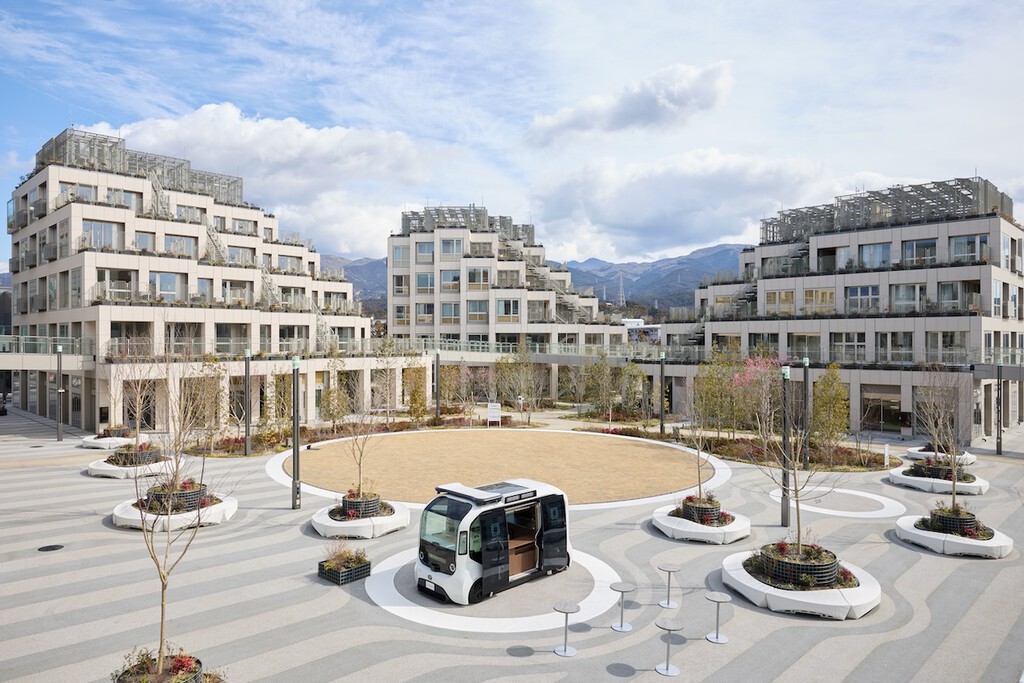
Woven City is a purpose-built city designed to test future technologies. With about 100 residents—called "Weavers"—selected from Toyota employees and tech-savvy individuals, it's a handpicked community. They live in Japanese-Nordic style (japandi) apartments equipped with domestic robotics and monitoring systems. The city is a sandbox for real-world testing, where data collection is integral to the experience.
The Technology Behind the City
Woven City is packed with sensors, cameras, and AI systems. These technologies monitor everything from traffic flow to individual health, aiming to create a seamless and efficient urban environment. For example, autonomous vehicles and delivery robots navigate the streets, while smart homes adjust settings based on occupant preferences. But all this convenience comes at a cost: constant surveillance.

AI and Cameras Everywhere
The city's infrastructure includes a dense network of cameras and sensors that track movements and activities. This data feeds into AI algorithms to optimize services and predict needs. While Toyota emphasizes that the data is used to improve life, privacy advocates worry about the potential for misuse and the erosion of personal space.
Privacy Trade-offs
Residents must consent to extensive data collection, including location tracking and biometric monitoring. In exchange, they get access to cutting-edge amenities and a futuristic lifestyle. It's a trade-off that raises questions about the balance between innovation and individual rights. The longer history behind the story is traced in Toyota's Woven City: AI-Powered Future or Privacy Nightmare.
- $10 billion investment from Toyota to build the city.
- 100 residents initially, called Weavers, selected for their tech profiles.
- Ubiquitous sensors and cameras monitor daily life for data collection.
- Privacy concessions are required to live in the city.
- Focus on mobility, robotics, AI, and sustainability as core test areas.
Comparing Woven City to Other Smart Cities
Woven City is not the first smart city project, but its scale and integration of AI set it apart. Here's how it compares to other notable initiatives: The background to this story is set out in Urban Living Trends Smart City Innovations. A related thread runs through Privacy Nightmare: $89 Smart Glasses Sold Out in Australia. Earlier coverage in Smart Cities vs. Wood Stoves: The Future of Sustainable Living shows how the argument developed.
| City | Location | Key Focus | Privacy Approach |
|---|---|---|---|
| Woven City | Susono, Japan | Mobility, robotics, AI | Extensive data collection with consent |
| Sidewalk Toronto | Toronto, Canada | Urban innovation | Canceled due to privacy concerns |
| Songdo | South Korea | Eco-friendly design | Moderate data collection |
| Masdar City | Abu Dhabi, UAE | Sustainability | Limited surveillance |
Why It Matters
Woven City represents a bold experiment in urban living. If successful, it could influence how cities are designed worldwide, integrating AI and robotics into daily life. However, the privacy implications are significant. As cities become smarter, the line between convenience and surveillance blurs. Woven City's approach will set a precedent for future developments. A closer look at the same subject appears in Urban Heat Islands: How Smart Tree Planting Cools Cities. Anyone following the wider picture can start with Car: latest articles. The same theme surfaces in Shenzhen Deploys AI Traffic Drones to Monitor and Scold Drivers, which takes a different angle.
What to Watch Next
Toyota plans to expand Woven City, eventually housing thousands of residents. The company will need to address privacy concerns to attract a diverse population. Additionally, the data collected will inform Toyota's broader automotive and mobility strategies. How the project balances innovation with ethical data use will be crucial. Context on how this played out before sits in Deadly Ebike Battery Fires Surge in New York City: Safety Alert. A companion piece, Spain's Atlantic Corridor High-Speed Rail: 90% Access by 2030, approaches the same subject from another angle.
FAQ
What is Toyota's Woven City?
What is Toyota's Woven City?
Woven City is a futuristic smart city built by Toyota at the base of Mount Fuji. It serves as a living laboratory to test technologies like AI, robotics, and autonomous mobility in a real-world setting.
Who lives in Woven City?
Who lives in Woven City?
The first residents, called Weavers, are about 100 Toyota employees and tech-selected individuals. They live in apartments equipped with advanced robotics and monitoring systems.
What privacy concerns does Woven City raise?
What privacy concerns does Woven City raise?
Woven City is filled with cameras and sensors that collect extensive data on residents. This raises concerns about surveillance and the trade-off between convenience and privacy.
How much did Woven City cost?
How much did Woven City cost?
Toyota has invested approximately $10 billion in the Woven City project, according to reports.
Browse the Shop
 Acacia frida deluxe solid wood bed frame |
Bedroom bench |
Bed chest drawers |
Lingerie dresser |
Frame base |
Mirror with jewelry storage |
30 Bathroom Vanity |
Memory foam queen mattress |
Mattresses for back pain |
Nightstand set of 2 |
Grand Goldman Shop |
Civil Lawyer
Deutschland Trikot WM 2026







