

Cleaning the inside of your windshield the same way you clean a house window is a common mistake that can leave smears, a white film, and dangerous glare, according to cleaning and detailing expert Manuel Carrasco. As head of Wash Car, Carrasco warns that this everyday habit creates marks that are hard to see most of the day but become obvious when light hits the glass head-on.
The problem is not just cosmetic. About 90% of the information a driver needs comes through sight, so any loss of clarity reduces the margin available to spot hazards and react in time.
Find Original, High-end Home Decor that spark conversation at Grand Goldman Shop.
Why the Inside of Your Windshield Gets Dirty So Fast
The interior face of the windshield has a particular trait that makes it prone to buildup: the ventilation system moves air from outside to inside, carrying pollutant particles that settle on interior surfaces. This accumulation happens layer by layer, and in winter, constant use of the heater speeds up the process.
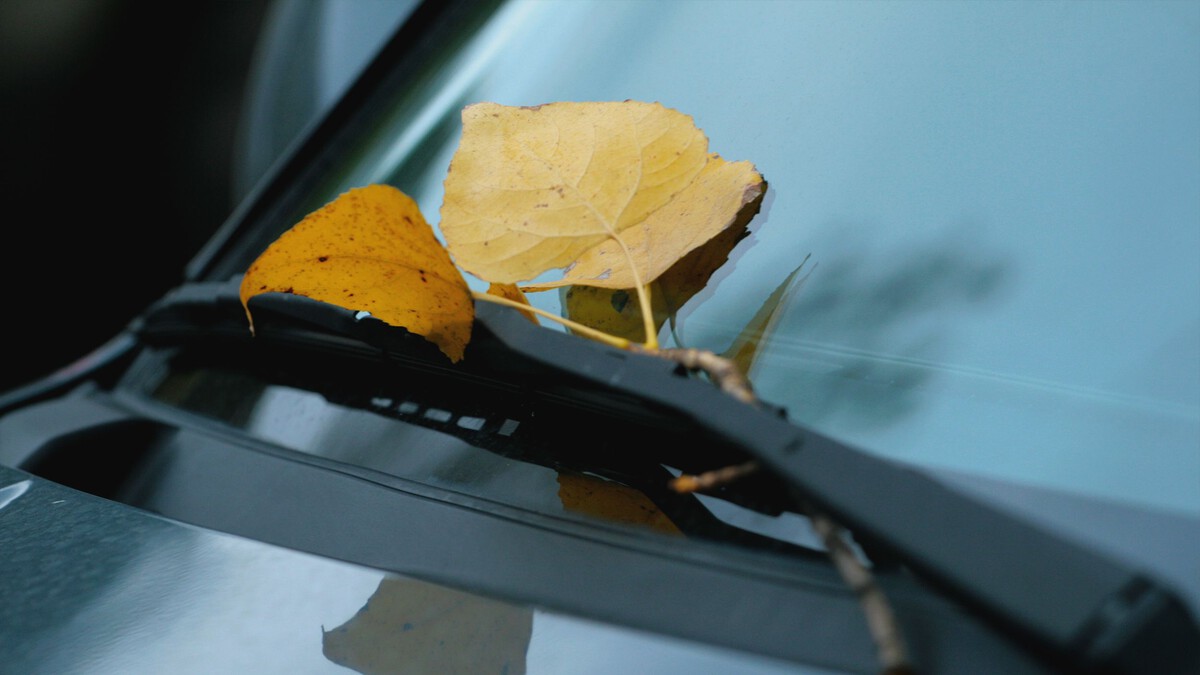
Carrasco points out that many drivers blame the glass itself for a whitish veil or greasy-looking marks, when the real cause is the cleaning routine. Treating the inside like a home window ignores how automotive glass and interior air interact.

The Hidden Risk: Glare and Reduced Reaction Time
Smears on the inside of the windshield are often invisible during much of the day. They only show up when light hits them directly, such as at sunrise, sunset, or when headlights from oncoming traffic reflect off the glass.
At that moment, the driver faces uncomfortable reflections and a loss of sharpness that cuts into the time needed to detect what is happening ahead. Carrasco stresses that this is a safety issue, not just an aesthetic one.
Common Mistakes When Cleaning Interior Glass
Many drivers use the same products and motions they would use on a household window. That approach can leave residue, push dirt around, or create streaks that are hard to remove later.
Another frequent error is ignoring the ventilation system as a source of contamination. Even a perfectly cleaned windshield will collect new layers of particles if the air coming into the cabin is dirty.
- Using household glass cleaner on automotive interior glass can leave films that attract more dirt.
- Cleaning only when smears appear means you are already driving with reduced visibility.
- Ignoring the ventilation system allows pollutants to keep settling on the glass.
- Skipping the winter check lets heater use accelerate buildup during cold months.
- Not checking against the light makes it easy to miss marks that only show up in certain conditions.
How to Clean Interior Windshield Glass the Right Way
Carrasco's core advice is to stop treating the inside of the windshield like a house window. That means using appropriate products and methods for automotive glass, and paying attention to the ventilation system that feeds particles into the cabin.
He also recommends checking the glass under direct light so that hidden smears become visible before they become a safety problem. Regular attention to the interior surface, rather than occasional deep cleaning, keeps buildup from becoming severe.
What This Means for Drivers This Winter
With heating season underway, the conditions for faster accumulation are already here. Drivers who rely on a quick household-style wipe may find themselves dealing with glare at exactly the moments when visibility matters most. The background to this story is set out in Car: latest articles.
The takeaway from Carrasco is straightforward: the inside of the windshield needs its own approach, one that accounts for how air, particles, and heat interact inside the cabin. A related thread runs through Google Sends AI Chips to Space in Project Suncatcher Test. Earlier coverage in Windshield Cleaning Mistake: Why Inside Glass Smears and How to Fix shows how the argument developed.
| Factor | House Window | Car Windshield Interior |
|---|---|---|
| Main dirt source | Outdoor dust and rain | Ventilation particles and interior air |
| Effect of heater | Not applicable | Speeds up layer-by-layer buildup |
| Visibility risk | Low | High; glare and reduced reaction time |
| Cleaning approach | Household glass cleaner | Automotive-specific method and products |
| Best time to check | Any time | Under direct light to reveal smears |
FAQ
Why does the inside of my windshield get a white film?
The ventilation system brings outside air, along with pollutant particles, into the cabin. These particles settle on interior surfaces layer by layer, creating a film that becomes more noticeable over time, especially when the heater is used often.
Can cleaning the inside of the windshield like a house window cause problems?
Yes. According to Manuel Carrasco, household cleaning habits can leave marks that are hard to see during much of the day but become very obvious when light hits the glass directly, creating glare and reducing clarity.
How much does windshield clarity affect driving safety?
About 90% of the information a driver needs comes through sight. Any loss of sharpness on the windshield reduces the margin available to detect hazards ahead and react in time, making smears a genuine safety concern.
Does winter make interior windshield buildup worse?
Yes. Carrasco notes that constant use of the heating system accelerates the accumulation process, so buildup tends to worsen during cold months when the heater runs frequently.
Browse the Shop
 Acacia frida deluxe solid wood bed frame |
Bedroom bench |
Bed chest drawers |
Lingerie dresser |
Frame base |
Mirror with jewelry storage |
30 Bathroom Vanity |
Memory foam queen mattress |
Mattresses for back pain |
Nightstand set of 2 |
Grand Goldman Shop |
Civil Lawyer
Deutschland Trikot WM 2026










