

A French designer has proposed a modular wind turbine that can be installed without concrete foundations or heavy machinery, potentially revolutionizing how we think about wind energy. Unlike the massive turbines we see along highways or in offshore wind farms, this concept aims to make wind power scalable and accessible for both domestic and industrial use.
For years, the wind industry has focused on gigantism: enormous blades, towering masts, and complex installations. But this new approach flips that idea on its head, asking whether we can have a lightweight, recyclable, and easy-to-assemble turbine that serves a different purpose.
Find Original Home Decor sparking conversation at Grand Goldman Shop.

Why modular wind turbines matter
Most wind energy projects today are massive undertakings. They require specialized cranes, reinforced concrete foundations, and significant capital investment. That model works for utility-scale farms, but it leaves a gap in the market for smaller, distributed wind solutions.
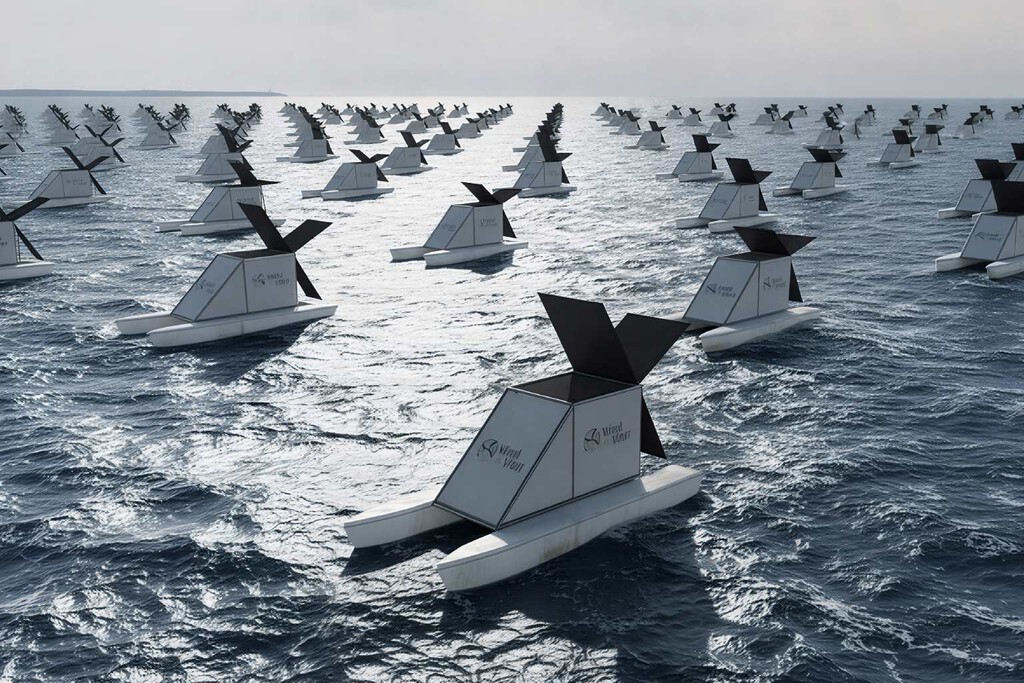
Modular turbines could fill that gap by enabling homeowners, businesses, and remote communities to generate their own wind power without the logistical headaches. This is similar to how solar photovoltaics have become ubiquitous on rooftops.
- No concrete needed: Eliminates the need for massive foundations, reducing costs and environmental impact.
- Easy installation: Can be assembled without heavy machinery like cranes.
- Scalable: Suitable for both small-scale residential use and larger industrial applications.
- Recyclable materials: Designed with sustainability in mind.
- Modular design: Components can be transported and assembled on-site.
The French design approach
Fabien Brun, a French designer, has been working on this concept for several years. His goal was to create a wind turbine that is lightweight, modular, and easy to install, while also being recyclable and scalable.
While specific technical details are scarce, the idea is to challenge the conventional wisdom that wind turbines must be huge to be effective. By rethinking the design, Brun hopes to make wind energy more accessible and adaptable to different environments.
How it compares to traditional turbines
| Feature | Traditional Wind Turbine | Modular Wind Turbine (Concept) |
|---|---|---|
| Installation | Requires heavy machinery and concrete foundations | Can be installed without concrete or heavy machinery |
| Scale | Utility-scale, typically large | Scalable from small to medium |
| Cost | High upfront cost | Potentially lower cost |
| Recyclability | Blades often not recyclable | Designed to be recyclable |
| Application | Power grids, large farms | Autoconsumption, industry, remote areas |
Challenges and opportunities
Of course, modular wind turbines face challenges. Smaller turbines typically produce less power, and the wind resource at lower heights is often weaker. But for many use cases, that trade-off is acceptable.
The opportunity lies in decentralizing energy production. Just as solar panels have empowered homeowners, modular wind turbines could do the same for wind. This could be particularly valuable in areas with strong winds but limited grid access.
Moreover, the ability to install without concrete reduces the environmental footprint of wind projects. Concrete production is a significant source of CO2 emissions, so eliminating it from turbine foundations is a win for sustainability. The background to this story is set out in Wind Turbine Blade Recycling Breakthrough: Blades Turned Into Asphalt. A related thread runs through Australia's 188-Meter Wind Turbines: Massive Blades and Record Height. Earlier coverage in Floating Wind Turbines off Costa Brava Spark Renewable Debate shows how the argument developed.
What to watch next
While this French concept is still in development, it signals a growing interest in alternative wind technologies. As the world seeks to decarbonize, innovation in renewable energy design will be crucial. A closer look at the same subject appears in Basque Country Wind Power: First New Turbine Since 2006. Anyone following the wider picture can start with China's Airborne Wind Turbine Generates Power at 4,000 Meters. The same theme surfaces in Renewable Diesel from Waste to Power Mining Trucks and Heavy Machinery, which takes a different angle.
We'll be watching to see if Brun's design moves from concept to prototype, and whether it can achieve the cost and performance targets needed for widespread adoption. If successful, it could open up new markets for wind power. Context on how this played out before sits in World's Tallest Wind Turbine Hits a Crane Height Problem. A companion piece, Kansas Farmer Installs Wind Turbines Among Cows and Strikes It Rich, approaches the same subject from another angle.
FAQ
What is a modular wind turbine?
A modular wind turbine is designed with interchangeable components that can be easily transported and assembled on-site. This allows for installation without heavy machinery or concrete foundations, making wind power more accessible for distributed applications.
Can I install a wind turbine at home without concrete?
Yes, modular wind turbines are being designed to avoid the need for concrete foundations. They typically use ground screws or other anchoring methods that are less invasive and easier to install.
How much power can a modular wind turbine generate?
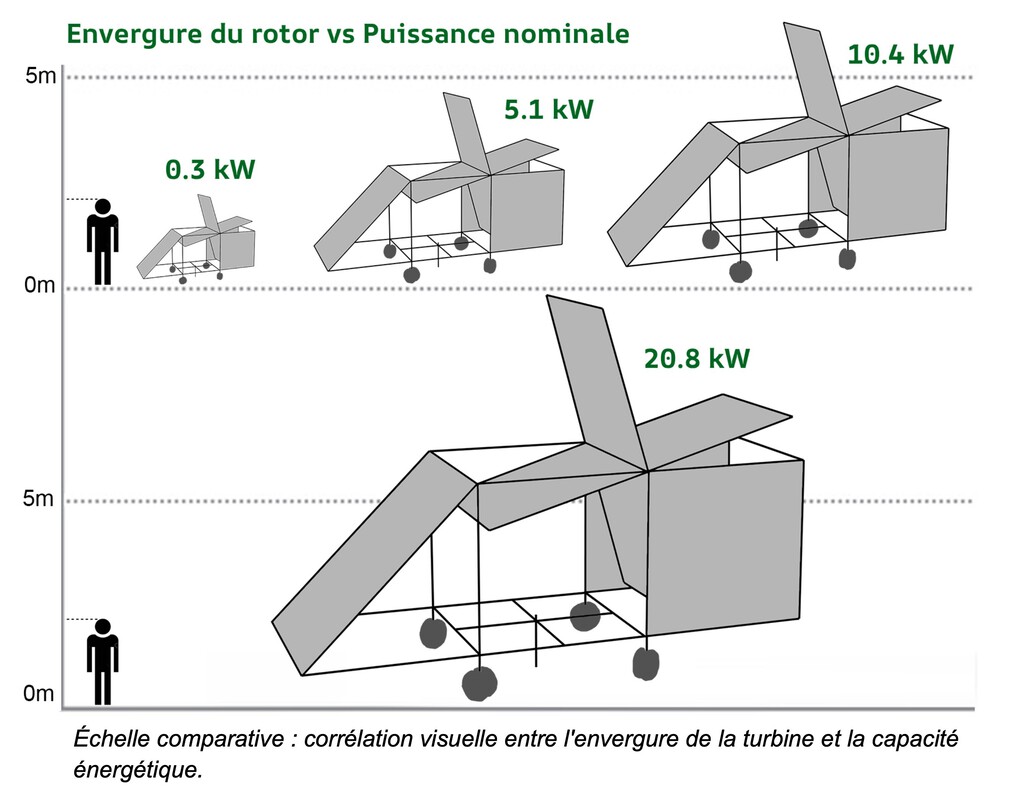
Power output varies by design and size, but modular turbines are generally smaller than utility-scale ones. They are intended for supplemental power rather than full-scale grid supply, though larger versions could serve industrial needs.
Is this technology available now?
The French design by Fabien Brun is still a concept and not yet commercially available. However, other modular wind turbines exist on the market, though they may not have all the features of this design.
Browse the Shop
 Acacia frida deluxe solid wood bed frame |
Bedroom bench |
Bed chest drawers |
Lingerie dresser |
Frame base |
Mirror with jewelry storage |
30 Bathroom Vanity |
Memory foam queen mattress |
Mattresses for back pain |
Nightstand set of 2 |
Grand Goldman Shop |
Civil Lawyer
Deutschland Trikot WM 2026







