

The Great Pacific Garbage Patch is often blamed on straws and supermarket bags, but research reveals a different story about ocean plastic pollution. The popular image of ocean contamination has been built around consumer items like bags, bottles, and straws that wash from land into the sea. While rivers and coastal areas are indeed major entry points for plastic, the composition of the garbage patch tells a more nuanced tale.
When scientists examined one of the largest marine debris accumulations on the planet, they found a surprisingly different picture. The patch is not a solid island of plastic but a diffuse mix of microplastics and larger objects spread across the North Pacific. Understanding what's really there is crucial for effective solutions.
Find Original Home Decor sparking conversation at Grand Goldman Shop.

What Is the Great Pacific Garbage Patch?
The Great Pacific Garbage Patch is not a giant floating island of trash. Instead, it's a vast area in the North Pacific where currents concentrate marine debris, primarily microplastics and some larger items. Located between North America and Japan, it's formed by the North Pacific Subtropical Gyre, a system of four major currents spanning about 20 million square kilometers.
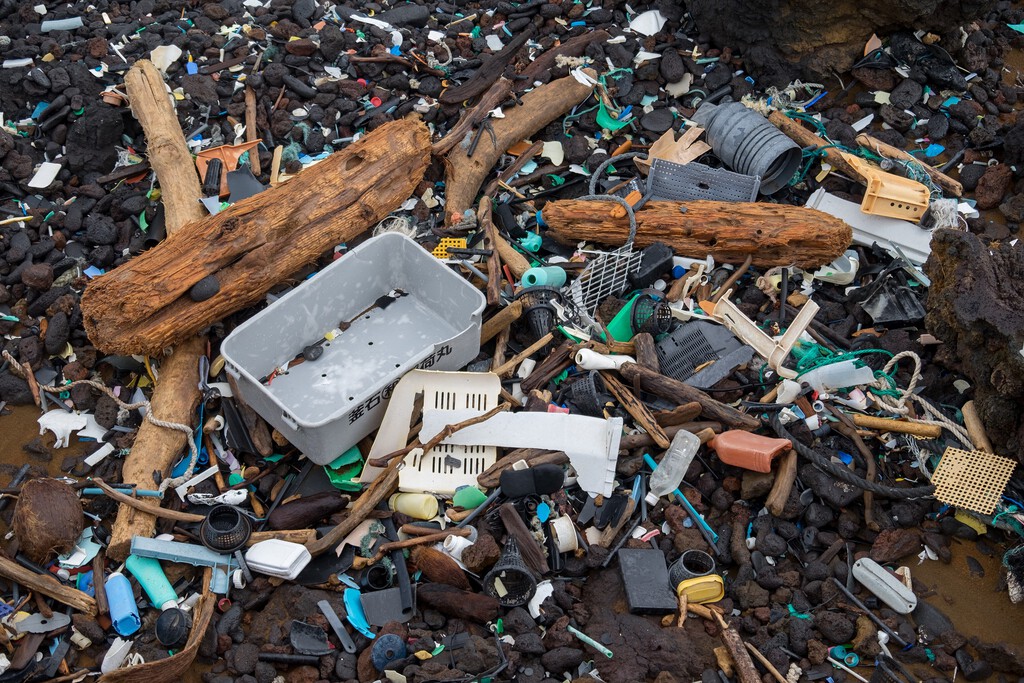
These currents slowly push floating debris into relatively stable regions where it can remain trapped for years. Objects entering this circuit may travel across much of the ocean while sunlight and waves fragment them into smaller pieces. However, the plastic doesn't disappear—it persists as microplastics, posing ongoing threats to marine life.

The Real Sources of Ocean Plastic
While consumer goods contribute to ocean plastic, fishing gear is a major culprit in the garbage patch. The 2019 expedition by The Ocean Cleanup and Wageningen University collected over 6,000 objects from the patch. Analysis revealed that a significant portion of the debris was abandoned fishing nets and ropes, not household items.
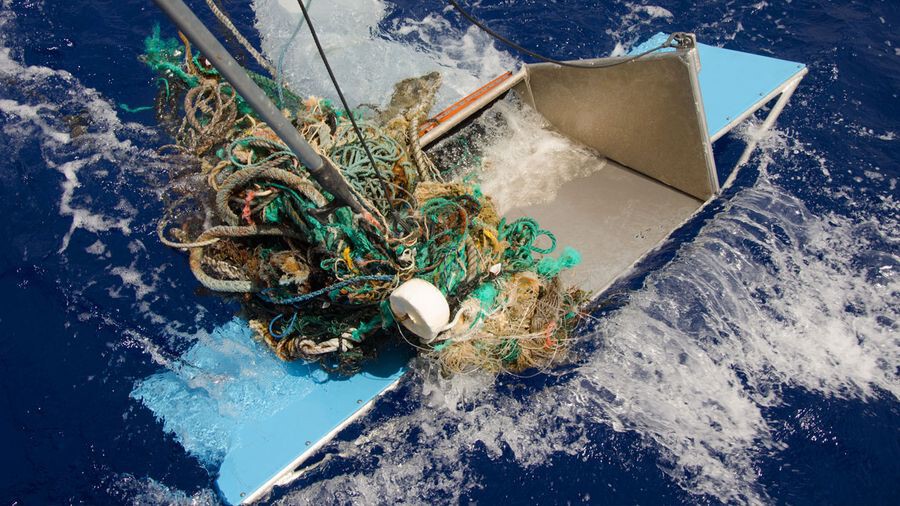
This finding challenges the common narrative that blames individual consumers. Industrial and commercial fishing activities leave behind vast amounts of gear that entangle wildlife and break down into microplastics. Addressing these sources requires different strategies than simply banning straws.
Why Fishing Gear Matters
Fishing nets and ropes are designed to be durable and resistant to degradation, meaning they persist in the ocean for decades. They can continue to entangle marine animals long after being lost or discarded. As they break apart, they contribute to the microplastic load, which is nearly impossible to clean up.
Moreover, the scale of abandoned gear is substantial. According to some estimates, fishing gear makes up a large percentage of the mass in the garbage patch. This highlights the need for better waste management and gear recovery programs in the fishing industry.
Microplastics: The Invisible Threat
Microplastics are tiny plastic particles less than 5 millimeters in size. They result from the breakdown of larger items or are manufactured as microbeads. In the garbage patch, microplastics are pervasive and can be mistaken for food by marine organisms, entering the food chain.
These particles are incredibly difficult to remove from the ocean due to their size and distribution. They also attract toxic chemicals, which can concentrate on their surfaces and harm wildlife that ingest them. The presence of microplastics underscores the importance of preventing plastic from entering the ocean in the first place. Context on how this played out before sits in Pacific Garbage Patch: The Real Culprit Behind Ocean Plastic.
Key Takeaways
- The Great Pacific Garbage Patch is a diffuse area of microplastics and larger debris, not a solid island.
- Fishing gear, such as nets and ropes, is a major component of the patch, challenging the focus on consumer plastics.
- Microplastics are pervasive and nearly impossible to clean up, making prevention critical.
- Addressing ocean plastic requires targeting industrial sources and improving waste management.
Comparison of Plastic Sources in the Garbage Patch
| Source Type | Examples | Contribution to Patch | Persistence |
|---|---|---|---|
| Fishing Gear | Nets, ropes, lines | High (significant portion) | Decades |
| Consumer Plastics | Bags, bottles, straws | Moderate (varies by region) | Centuries |
| Microplastics | Fragments, pellets | Pervasive (throughout) | Unknown (very long) |
The table illustrates that while consumer plastics are a concern, fishing gear stands out as a major contributor to the garbage patch. This information is vital for policymakers and environmental groups to allocate resources effectively. The background to this story is set out in Microplastics in Soil: A Trojan Horse Threat to Global Food Security. A related thread runs through Microplastics in Soil Threaten UK Food Security: New Report.
What Can Be Done?
Efforts to clean up the garbage patch face immense challenges due to the vast area and the nature of microplastics. The Ocean Cleanup project is developing technologies to collect plastic debris, but scaling these solutions is difficult. Prevention is more effective: reducing plastic use, improving waste management, and enforcing regulations on fishing gear disposal. Earlier coverage in Energy Utilities: latest articles shows how the argument developed. A closer look at the same subject appears in El Niño Variability 36.5% Higher Than Past 1,000 Years, Study Finds.
Individuals can also make a difference by supporting policies that hold industries accountable and participating in beach cleanups. However, systemic change is needed to stem the tide of plastic entering the ocean. Anyone following the wider picture can start with Marine Protected Areas Fall Short of Ocean Conservation Goals. The same theme surfaces in Balearic Islands Water Crisis: 44 of 87 Aquifers Fail Quality or Quantity, which takes a different angle.
FAQ
Is the Great Pacific Garbage Patch visible from space?
No, the patch is not a solid mass and is mostly composed of microplastics, making it invisible to satellites and the naked eye. It's more like a cloudy soup of plastic particles.
What is the main source of plastic in the Great Pacific Garbage Patch?
Research indicates that fishing gear, such as nets and ropes, is a major source, along with microplastics from various origins. Consumer plastics like bags and straws are also present but not the dominant component.
How can we reduce ocean plastic pollution?
Reducing single-use plastics, improving waste management infrastructure, and implementing regulations for fishing gear disposal are key. Supporting cleanup initiatives and holding industries accountable are also important.
Are microplastics harmful to human health?
Microplastics have been found in seafood and drinking water, but the health effects are still under investigation. Research suggests they can cause inflammation and carry toxins, but more studies are needed.
Browse the Shop
 Acacia frida deluxe solid wood bed frame |
Bedroom bench |
Bed chest drawers |
Lingerie dresser |
Frame base |
Mirror with jewelry storage |
30 Bathroom Vanity |
Memory foam queen mattress |
Mattresses for back pain |
Nightstand set of 2 |
Grand Goldman Shop |
Civil Lawyer
Deutschland Trikot WM 2026







