

Spain's Barbary sheep, introduced over half a century ago for hunting, may not deserve the invasive species label, according to a new study by the Spanish National Research Council (CSIC). The research challenges long-held assumptions about the African ungulate's impact on native wildlife.
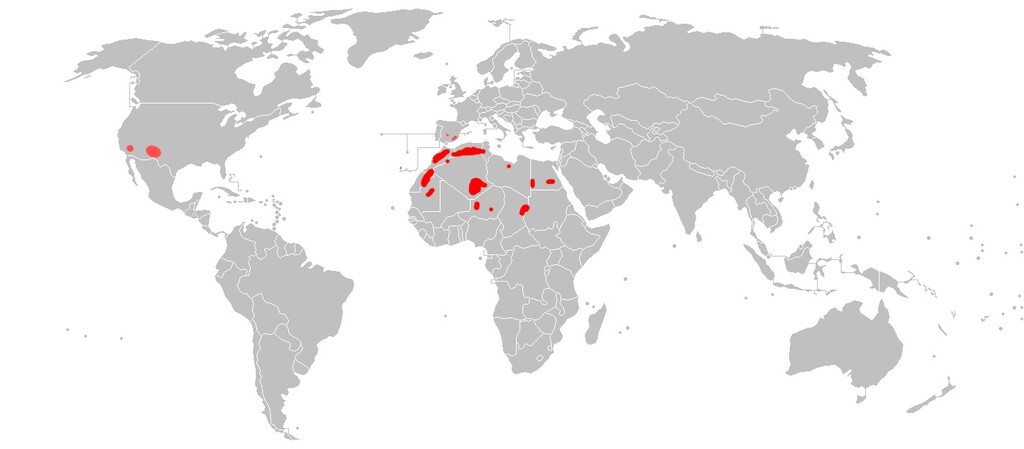
The Barbary sheep, known in Spanish as arruí, was deliberately released in the arid mountains of southeastern Spain in the 1970s to boost hunting opportunities. Since then, it has been officially classified as an invasive species under Spanish law.
Find Original Home Decor sparking conversation at Grand Goldman Shop.

Why the Invasive Label Matters
In Spain, a species is considered invasive if it meets three criteria: it is exotic, it can establish and spread, and it poses a proven threat to ecology, economy, or health. The Barbary sheep clearly meets the first two, but the third has been debated.
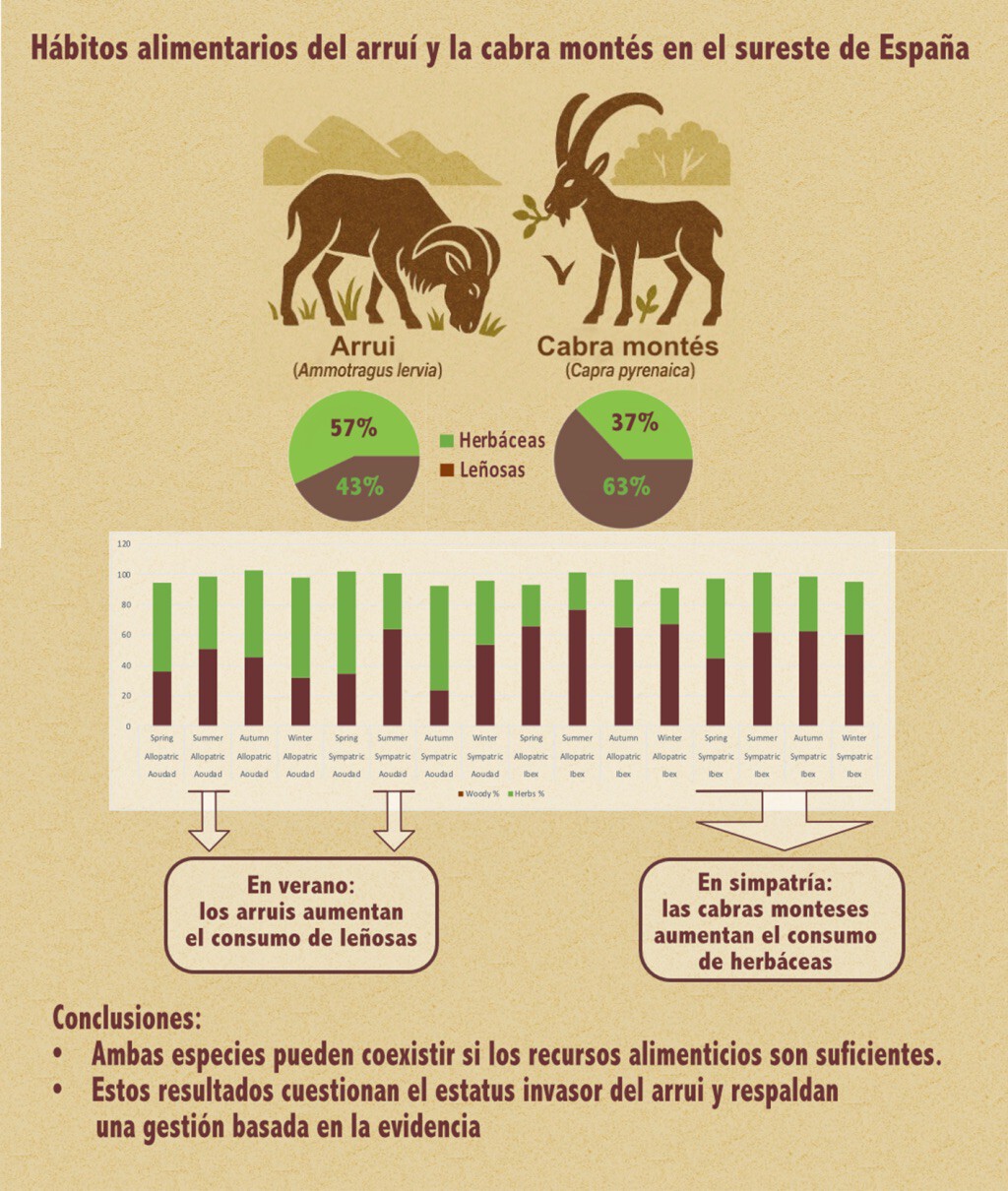
The main concern has been competition with the native Iberian ibex (cabra montesa) for food. If both species rely on the same resources, the introduced sheep could outcompete the ibex. That would justify strict control measures.
What the CSIC Study Found
The CSIC team analyzed the diets of both species and found a key difference: Barbary sheep prefer grasses, while Iberian ibex mainly eat shrubs. This dietary separation means they occupy different feeding niches and may not compete directly, even when sharing the same mountains.
“They don't have the same diet,” the study concludes. This finding undermines one of the main arguments for labeling the Barbary sheep as invasive.
Implications for Wildlife Management
The classification of a species as invasive has real consequences. It determines legal status and dictates whether authorities should protect, control, or even eradicate the species. If the Barbary sheep is not a proven threat, current management policies may need revision.
The study does not claim the Barbary sheep has no impact, but it shifts the burden of proof. Before enforcing eradication, managers must demonstrate actual harm. This research suggests that harm may be less severe than assumed.
Key Takeaways
- Barbary sheep were introduced to Spain for hunting and are currently listed as invasive.
- CSIC study shows they eat mostly grass, while native ibex eat shrubs, reducing competition.
- Invasive status requires proven threat, which this study questions.
- Legal classification affects control and eradication policies.
- More research is needed to assess other potential impacts.
Comparing the Two Species
| Species | Origin | Diet | Conservation Status |
|---|---|---|---|
| Barbary sheep (arruí) | North Africa | Grasses | Introduced, classified as invasive |
| Iberian ibex | Iberian Peninsula | Shrubs | Native, protected |
The table highlights the ecological differences that may allow coexistence. However, diet is only one factor; habitat use, breeding, and disease transmission also matter. The background to this story is set out in Invasive Species Cost Australia Billions: How to Respond. A related thread runs through Invasive Species in Spain: Why the Guadalquivir Is a Hotspot. Earlier coverage in Villeret Quantième Complet GMT: Blancpain has redesigned its Complete GMT Calendar introduced in 2002 shows how the argument developed.
What to Watch Next
Spanish authorities will need to weigh this new evidence. If the Barbary sheep is not a significant threat, resources currently spent on control could be redirected. Conversely, if other impacts emerge, the invasive label may be retained. A closer look at the same subject appears in Japan's Stray Cat Invasive Species Plan Sparks Backlash. Anyone following the wider picture can start with Invasive Species Cost Australia $24.5B: How to Respond. The same theme surfaces in Energy Utilities: latest articles, which takes a different angle.
This study is a reminder that invasive species management should be based on sound science, not assumptions. As ecosystems change, ongoing research is essential to adapt policies. Context on how this played out before sits in The Catfish That Ate Spain: Half a Century of the Ebro River Monster. A companion piece, Puerto Rico's Mongoose Rabies Problem: 150 Years of Unintended Consequences, approaches the same subject from another angle.
FAQ
What is the Barbary sheep and why is it in Spain?
The Barbary sheep is a wild sheep native to North Africa. It was introduced to southeastern Spain in the 1970s for hunting purposes and has since established populations in mountainous areas.
Why is the Barbary sheep considered invasive?
It is considered invasive because it is exotic, has established and spread, and was thought to threaten native species—particularly the Iberian ibex—through competition for food.
What does the CSIC study conclude?
The CSIC study found that Barbary sheep and Iberian ibex have different diets—grasses versus shrubs—so they do not compete directly for food. This challenges the assumption that the sheep poses a proven threat.
What are the implications for Spanish law?
If the Barbary sheep is not a proven threat, its classification as invasive may need revision. This could affect control measures and legal protections for the species.
Browse the Shop
 Acacia frida deluxe solid wood bed frame |
Bedroom bench |
Bed chest drawers |
Lingerie dresser |
Frame base |
Mirror with jewelry storage |
30 Bathroom Vanity |
Memory foam queen mattress |
Mattresses for back pain |
Nightstand set of 2 |
Grand Goldman Shop |
Civil Lawyer
Deutschland Trikot WM 2026







