

For years, Mortal Kombat's red ninja Ermac was one of gaming's most tantalizing mysteries—a rumored hidden character that players swore existed but no one could find. The truth is stranger than fiction: Ermac wasn't a secret fighter at all, but a technical glitch that took on a life of its own.
In the early 1990s, video game secrets spread through arcades, magazines, and playground rumors. The original Mortal Kombat had already proven it could hide characters like Reptile, so when whispers of a red ninja named Ermac surfaced, players took them seriously.
Find Original Home Decor sparking conversation at Grand Goldman Shop.

The Origin of the Ermac Rumor
The clue that sparked the hunt wasn't a character but a technical entry within the game itself. Ed Boon, co-creator of Mortal Kombat, explained that during development, the software had code sections that, in theory, should never be reached. If they were, the system incremented an error counter that the team could review on an internal audit screen.

To abbreviate that log, Boon wrote an assembly macro called ERMAC, short for Error Macro. It was a developer tool, not a fighter.

The detail that changed everything was where that counter appeared. Boon explained that the number of ERMACS was displayed right after the record of how many times players had fought against Reptile, who was a hidden character in the first Mortal Kombat. The association was almost inevitable: if Reptile existed and was counted there, Ermac could seem like another secret of the same kind.
Why Players Believed in Ermac
For a player staring at the screen, the logic was compelling. Reptile was real, and his presence was tracked in the audit screen. Seeing "ERMAC" next to Reptile's counter suggested another hidden fighter waiting to be discovered.
Arcade culture amplified the rumor. Magazines printed tips, players shared supposed methods, and the legend grew. The idea of a red ninja—a palette swap of the game's existing ninjas—fit perfectly with Mortal Kombat's visual style.
- Technical clue: The ERMAC counter appeared alongside Reptile's fight count, implying another secret.
- Rumor mill: Arcade magazines and word-of-mouth spread the legend.
- Visual logic: A red ninja was plausible as a palette swap.
- No confirmation: Developers never officially acknowledged Ermac in the first game.
- Player persistence: The search continued for years despite no evidence.
The Truth Behind the Error Macro
Ed Boon's explanation laid the mystery to rest: Ermac was never a hidden character in the original Mortal Kombat. The name came from a developer's shorthand for an error logging macro, not from a planned fighter.
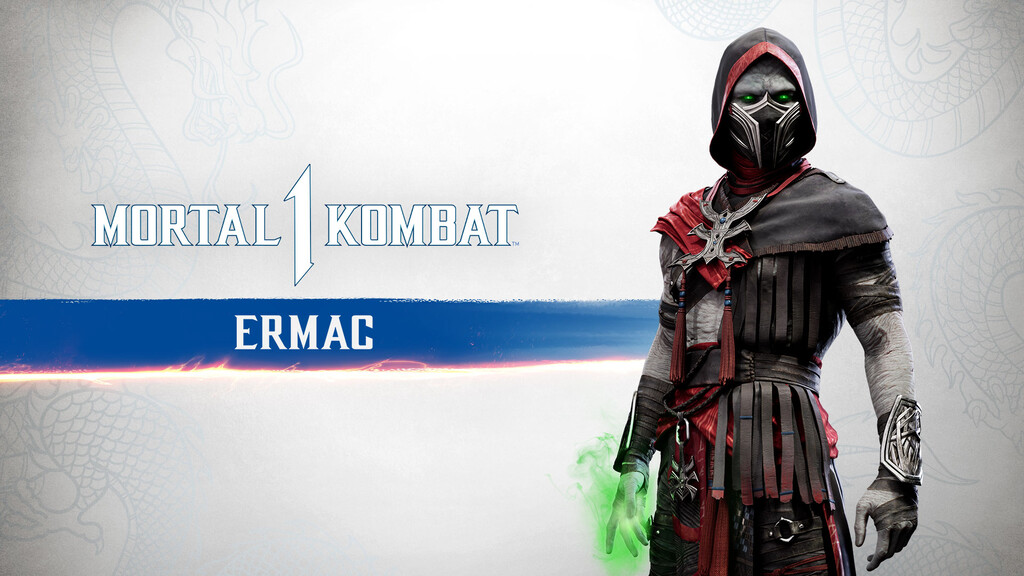
However, the rumor's persistence had a surprising consequence. Ermac eventually became a real character in later Mortal Kombat games, debuting in Mortal Kombat 3 and becoming a fan favorite. The red ninja that never was became a red ninja that is.
This case illustrates how technical artifacts can fuel player imagination. In an era before datamining and instant online verification, a cryptic string in an audit screen was enough to launch a thousand theories.
What This Tells Us About Game Secrets
The Ermac story is a classic example of unintended lore. Developers often leave traces of their work—debug menus, unused assets, placeholder text—that players interpret as hidden content. Sometimes those traces become legends.
It also highlights the importance of context. Without knowing that ERMAC was an error macro, players had no reason to doubt the rumor. The lack of official communication left room for speculation. Context on how this played out before sits in Mortal Kombat's Red Ninja Ermac: The Secret That Never.
| Game | Ermac Status | Notes |
|---|---|---|
| Mortal Kombat (1992) | Not a character | ERMAC was an error macro counter |
| Mortal Kombat 3 (1995) | Playable character | First official appearance as a red ninja |
| Later titles | Recurring fighter | Became a series staple |
The Legacy of a False Secret
The Ermac rumor didn't harm the series; it added to its mystique. Players spent countless hours searching for a character that didn't exist, but the hunt itself became part of the Mortal Kombat experience. The background to this story is set out in Gaming: latest articles. A related thread runs through Xbox Game Preservation: Microsoft Emulates Original Titles on Windows 11.
When Ermac finally appeared as a real fighter, it felt like a payoff to years of speculation. The character's design—a red-clad ninja with telekinetic powers—was built on the foundation of the rumor. Earlier coverage in GTA VI Physical Edition: Code Only and PS5 Region Lock Controversy shows how the argument developed. A closer look at the same subject appears in Sony and the Slow Death of Physical Video Games by 2028.
Today, Ermac is a beloved part of the roster, and the story of his origin is a favorite among gaming historians. It's a reminder that sometimes the best secrets are the ones we create ourselves. Anyone following the wider picture can start with Physical Video Games Fight Mirrors Adobe's Photoshop Shift. The same theme surfaces in La Atalaya: The Francoist Psychiatric Hospital That Inspired Legends, which takes a different angle.
FAQ
Was Ermac a hidden character in the first Mortal Kombat?
No, Ermac was not a hidden character in the original Mortal Kombat. The name ERMAC was an abbreviation for Error Macro, a developer tool used to log errors during testing. The rumor stemmed from its appearance in an internal audit screen.
Why did players believe Ermac existed?
Players believed Ermac existed because the ERMAC counter appeared right after Reptile's fight count in the game's audit screen. Since Reptile was a real hidden character, it seemed logical that Ermac was another secret fighter.
When did Ermac first appear as a playable character?
Ermac first appeared as a playable character in Mortal Kombat 3 (1995). He has since become a recurring fighter in the series, known for his red ninja design and telekinetic abilities.
What does ERMAC stand for?
ERMAC stands for Error Macro, a term used by the development team at Midway to track errors during the creation of the first Mortal Kombat. It was never intended to be a character name.
Browse the Shop
 Acacia frida deluxe solid wood bed frame |
Bedroom bench |
Bed chest drawers |
Lingerie dresser |
Frame base |
Mirror with jewelry storage |
30 Bathroom Vanity |
Memory foam queen mattress |
Mattresses for back pain |
Nightstand set of 2 |
Grand Goldman Shop |
Civil Lawyer
Deutschland Trikot WM 2026







