

Physical sun protection is emerging as a practical, cost-effective alternative to sunscreen for everyday UV safety, according to dermatologist Rosa Taberner. In a recent interview, Taberner, who works at Hospital Son Llàtzer and writes the DermaPixel blog, explained why covering up with clothing, hats, and even umbrellas may be more reliable than relying on cream alone.
Her comments come as more people in Spain are seen wearing long sleeves, wide-brimmed hats, and carrying parasols under strong sun—a practice long common in countries like Japan and China.
Find Original Home Decor sparking conversation at Grand Goldman Shop.

Why Sunscreen Application Often Falls Short
Taberner stresses that sunscreen itself is not the problem—it is how we apply it. She notes that choosing between cream and protective clothing is "very personal" and depends on comfort. However, cream has a major drawback: it requires constant reapplication for reliable protection.

"Almost nobody applies sunscreen correctly," Taberner says. Two key failures undermine its effectiveness: using too little product and not reapplying often enough.
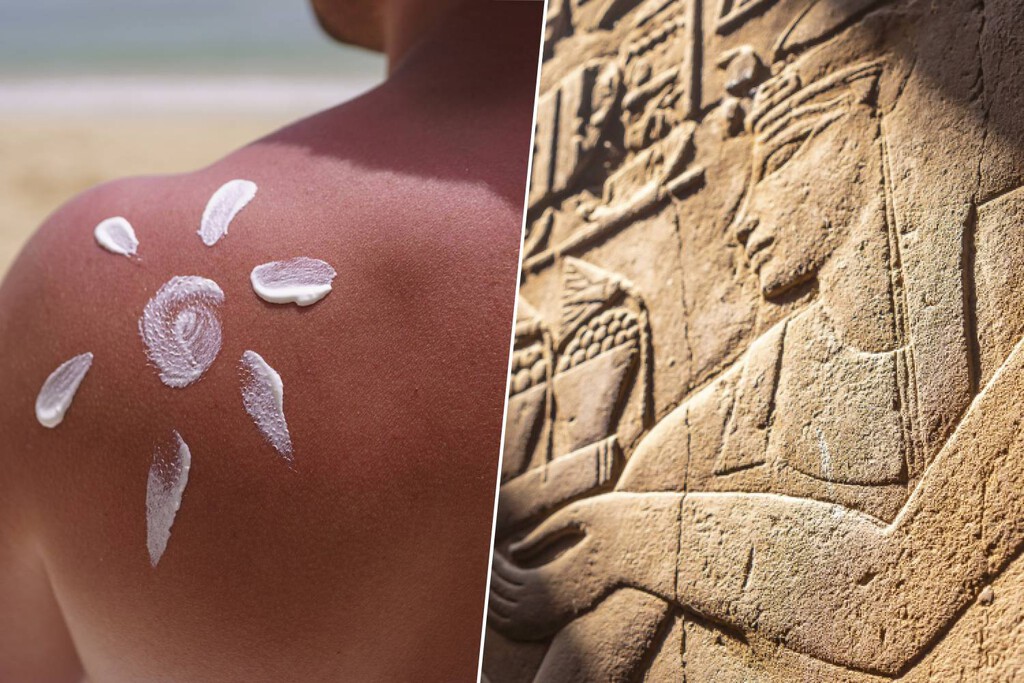
The Right Amount Is More Than You Think
According to Taberner, you need about 2 milligrams of sunscreen per square centimeter of skin. For the whole body, that amounts to roughly a shot glass full—a quantity most people never use.
"That is a lot," she admits. In practice, most users apply far less, leaving skin underprotected even when they think they are covered.
Reapplication Remains a Challenge
General guidance recommends reapplying sunscreen every two hours, or immediately after drying off following a swim. Taberner points out that while people may reapply during a long beach day, very few do so in daily life.
This gap between recommendation and reality is where physical protection gains an edge: it does not wear off, rub off, or need monitoring throughout the day.
How Physical Sun Protection Works Better
Protective clothing, wide-brimmed hats, and parasols provide consistent UV defense without the need for reapplication. Once you put them on, the protection is there—no measuring, no reminders, no missed spots.
Taberner also highlights the cost advantage: physical protection is cheaper than constantly buying cream. A single protective garment can last for years, while sunscreen runs out quickly—especially when applied at the recommended thickness.
- No reapplication needed: Clothing and hats protect continuously once worn.
- Cost-effective: A one-time purchase replaces repeated sunscreen buys.
- Reliable coverage: Eliminates the risk of using too little product.
- Comfort varies: Some people prefer cream, especially in heat.
- Best approach: Combine both methods for maximum protection.
Physical vs. Chemical Protection: A Quick Comparison
The table below summarizes key differences between physical sun protection and sunscreen based on Taberner's points.
| Factor | Physical Protection (clothing, hats) | Sunscreen |
|---|---|---|
| Reapplication | Not required | Every 2 hours or after swimming |
| Cost over time | Lower (one-time purchase) | Higher (frequent repurchases) |
| Application accuracy | No measurement needed | Often too little used |
| Comfort in heat | Can feel hot | Lightweight feel |
| Best use case | Everyday sun exposure | Beach days with diligent reapplication |
Who Should Consider Switching or Combining
Anyone who spends time outdoors daily—commuters, outdoor workers, and people with sensitive skin—may benefit from adding physical protection. Taberner's advice is not to abandon sunscreen but to recognize its limits. The longer history behind the story is traced in Physical Sun Protection Beats Sunscreen for Everyday UV Safety.
For beach days, combining both is ideal: wear protective clothing and use sunscreen on exposed areas, reapplying diligently. For everyday errands, a hat and long sleeves may be enough. The background to this story is set out in Australian Protection Visas: Israeli Siblings Win Reapplication. A related thread runs through Health: latest articles. Earlier coverage in Sunscreen Alone Isn't Enough: Why You Need Antioxidants for Sun Protection shows how the argument developed.
What to Watch Next
As awareness grows, expect more options in UV-protective clothing and accessories. Taberner's message is clear: effectiveness depends less on the product and more on consistent, correct use. A closer look at the same subject appears in Solar Eclipse Eye Safety: How to Protect Your Vision on August 12. Anyone following the wider picture can start with Microplastics in Blood and Testicles: Are Reusable Bottles Safe. The same theme surfaces in Eclipse Glasses Recalled: How to Check If Yours Are Safe, which takes a different angle.
"Choose whatever you are most comfortable with," she says—but be honest about whether you are actually applying cream correctly. If not, physical protection offers a simpler, cheaper, and more reliable path to daily UV safety. Context on how this played out before sits in 21 Best Non-Toxic Sunscreens Dermatologists Use and Recommend. A companion piece, 21 Best Nontoxic Sunscreens Dermatologists Use in 2025, approaches the same subject from another angle.
FAQ
Is physical sun protection really cheaper than sunscreen?
Yes, according to dermatologist Rosa Taberner. A protective garment or hat is a one-time purchase that lasts for years, while sunscreen must be repurchased frequently—especially when applied at the recommended amount.
How much sunscreen should I apply to my body?
Taberner recommends about 2 milligrams per square centimeter of skin, which equals roughly a shot glass full for the entire body. Most people apply far less than this, reducing protection.
How often should I reapply sunscreen?
The general recommendation is every two hours, or immediately after swimming and drying off. However, Taberner notes that very few people actually reapply this often in daily life.
Can I use both physical protection and sunscreen?
Absolutely. Combining both is the best approach: wear protective clothing and a hat, and use sunscreen on exposed areas with proper reapplication for maximum UV safety.
Browse the Shop
 Acacia frida deluxe solid wood bed frame |
Bedroom bench |
Bed chest drawers |
Lingerie dresser |
Frame base |
Mirror with jewelry storage |
30 Bathroom Vanity |
Memory foam queen mattress |
Mattresses for back pain |
Nightstand set of 2 |
Grand Goldman Shop |
Civil Lawyer
Deutschland Trikot WM 2026







