

Sweating more does not mean you are training better, according to exercise physiologists who are pushing back against a stubborn summer myth. The idea that a soaked shirt equals a superior workout is widespread, but science says otherwise. In fact, heavy sweating is a survival mechanism, not a performance badge.
As temperatures rise, the body redirects resources to cooling itself, which can actually slow you down. Understanding this can help you train smarter and safer this summer.
Find Original Home Decor sparking conversation at Grand Goldman Shop.

The Summer Myth: Sweat as a Measure of Effort
Every summer, the image repeats: runners drenched, shirts clinging, and a sense that the more you sweat, the harder you're working. But physiology tells a different story. Sweating a lot is neither a medal nor an exact measure of effort.
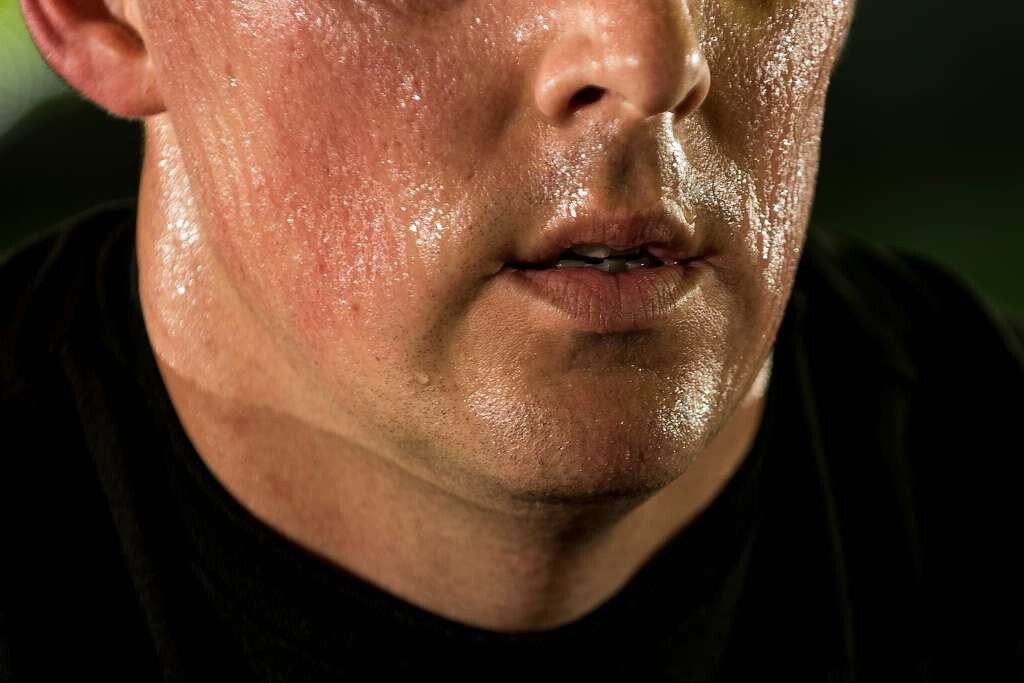
In an interview with The New York Times, physiologist Mindy Millard-Stafford summed it up clearly: "You can't compare one person's sweat rate to another's and say that person worked harder." Sweat quantity has more to do with genetics, environment, and adaptation than with pure performance.
The bad news for the summer myth is simple: ending up dripping wet doesn't mean you trained better. It might just mean you're more heat-sensitive or genetically predisposed to sweat more.
Why Sweat Is About Survival, Not Performance
First, understand what sweat actually does. Sports medicine physician Michael Fredericson reminded us that "it's the body's way of keeping temperature under control." It's not extra energy or a sign of fitness.
When you exercise in heat, your body sends more blood to the skin to dissipate heat through sweat. That means less blood for your muscles, which can reduce power output and endurance. So sweating is a cooling strategy, not a performance enhancer.
In extreme cases, the consequences can be severe. At the 1904 Olympics, organizers designed a marathon with only one official hydration point in 32°C (90°F) heat to prove that drinking little water improved performance. The result was runners collapsing, hallucinations, and one winner crossing the finish line barely supported. More than a century later, heat still teaches the same lesson: sweating is not strength, it's survival.
How Heat Affects Your Workout
When it's hot, your body has to work harder to keep core temperature in check. This can lead to a higher heart rate, faster fatigue, and a drop in performance. You might feel like you're working harder even at a slower pace.
That's why physiologists advise adjusting expectations in the heat. Trying to match your usual pace or intensity can lead to overheating and exhaustion. Instead, focus on effort level and hydration.
Key Takeaways for Summer Training
- Sweat rate is individual: It varies with genetics, fitness, and acclimation, so don't compare yours to others'.
- Heat slows you down: Expect to run or cycle slower in hot weather; it's normal and safer.
- Hydrate proactively: Drink water before, during, and after exercise, especially in heat.
- Watch for warning signs: Dizziness, nausea, and confusion can indicate heat exhaustion.
- Acclimatize gradually: Give your body 1-2 weeks to adjust to hotter conditions.
What the Experts Say
Experts like Millard-Stafford and Fredericson emphasize that sweat is not a reliable indicator of effort or fitness. Instead, pay attention to how you feel and your actual performance metrics, like pace or power, adjusted for heat.
They also caution against the dangerous "push through it" mentality. In high heat, backing off is not weakness; it's smart training. The goal is to stress your cardiovascular system, not your cooling system. The background to this story is set out in What Does OBJ Mean in Text? Every Meaning Decoded Fast — Explained. A related thread runs through Oona Doherty's Leather Jacket: Dancers Sweat and Shine in New. Earlier coverage in What Does SS Mean in Text? The 7 Meanings Most People Miss — Explained shows how the argument developed.
Comparing Sweat Rates and Performance
The table below summarizes how sweat rate relates to various factors, based on physiological understanding. A closer look at the same subject appears in What Does S/P Mean in Texting? 5 Meanings Most People Get Wrong. Anyone following the wider picture can start with What Does FOMO Mean? The Texting Slang Most People Get Wrong (Means). The same theme surfaces in What Does CLFS Mean on Instagram? Texting Slang Decoded — Explained, which takes a different angle.
| Factor | Effect on Sweat Rate | Effect on Performance |
|---|---|---|
| Genetics | High variability among individuals | No direct effect |
| Heat acclimation | Increases sweat rate (earlier, more dilute sweat) | Improves heat tolerance and performance in heat |
| Fitness level | May increase sweat rate (more efficient cooling) | Improves overall performance |
| Environment (temperature, humidity) | Increases sweat rate | Can impair performance due to heat stress |
| Hydration status | Decreases sweat rate when dehydrated | Impairs performance and increases risk of heat illness |
As the table shows, sweat rate alone tells you little about performance. It's just one piece of the puzzle. Context on how this played out before sits in What Does Glitching Mean? The Slang Everyone Misreads (Full Guide). A companion piece, What Does Notch Mean? The Chat Slang Everyone Misreads — Explained, approaches the same subject from another angle.
Frequently Asked Questions
Does sweating more mean I'm burning more calories?
No. Sweat is primarily water and electrolytes lost for cooling, not a direct measure of calories burned. Calorie expenditure depends on exercise intensity and duration, not sweat volume.
Why do some people sweat more than others?
Sweat rate varies due to genetics, fitness level, acclimation to heat, and body size. Some people naturally sweat more, but that doesn't mean they're working harder or fitter.
Should I avoid sweating during exercise?
No, sweating is a normal and necessary cooling response. The goal is to manage it with proper hydration and environmental adjustments, not to prevent it.
How can I tell if I'm working hard enough in the heat?
Use perceived exertion and heart rate (adjusted for heat) rather than sweat. If you're dizzy or nauseous, back off. It's better to underperform in the heat than risk heat illness.
Browse the Shop
 Acacia frida deluxe solid wood bed frame |
Bedroom bench |
Bed chest drawers |
Lingerie dresser |
Frame base |
Mirror with jewelry storage |
30 Bathroom Vanity |
Memory foam queen mattress |
Mattresses for back pain |
Nightstand set of 2 |
Grand Goldman Shop |
Civil Lawyer
Deutschland Trikot WM 2026







