

In 1910, Comet Halley passed so close to Earth that it seemed within reach, and it triggered a wave of panic in Spain and beyond. The fear was fueled by a scientific discovery two years earlier: the comet's tail contained toxic gases, including cyanogen. As the comet approached, people worried that Earth would pass through the tail and that the gas would poison the atmosphere.
The Discovery That Sparked Fear
In 1908, astronomer Daniel Walter Morehouse was analyzing the spectrum of a comet's tail when he realized it contained toxic gases like cyanogen. The publication of his findings alarmed the public, especially because Earth was due to cross paths with Halley's Comet in just two years. The news spread quickly, and many people began to fear the worst.
Find Original Home Decor sparking conversation at Grand Goldman Shop.

The comet's tail is incredibly diffuse—far less dense than the best vacuum created in a laboratory. Most astronomers were confident that passing through it would have no effect. But scientific reassurances did little to calm public anxiety.
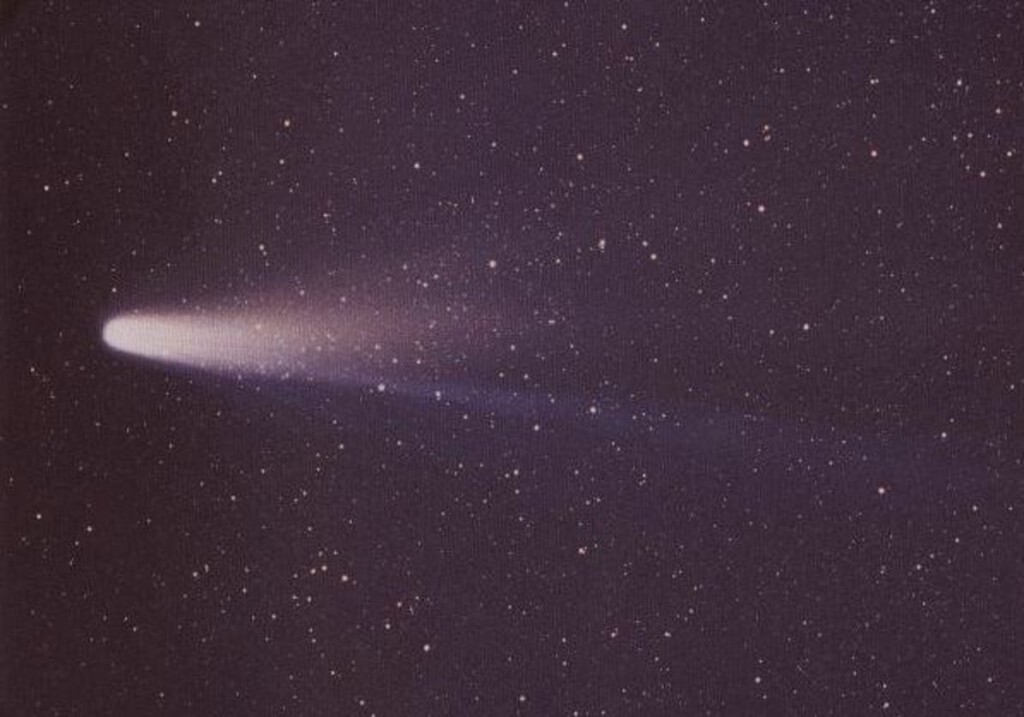
May 1910: A Close Encounter
On May 18, 1910, Earth passed through the tail of Halley's Comet. Every year, between April 19 and May 28, our planet crosses the stream of debris left by the comet, producing the Eta Aquarids meteor shower. In 1910, the encounter was particularly close, and the comet was visible to the naked eye, heightening the sense of impending doom.
Newspapers fueled the panic with sensational stories. Some claimed that the cyanogen gas would wipe out all life on Earth. Others suggested that the comet's gravity could cause catastrophic events. In Spain, as in many other countries, people bought gas masks, sealed their windows, and prepared for the end.
Public Reactions and Misinformation
Despite astronomers' efforts to explain that the risk was negligible, the public panic grew. In Spain, churches held special masses, and some people stockpiled food and water. The fear was not limited to the uneducated; even some prominent figures expressed concern.
The media played a significant role in amplifying the hysteria. Without the instant communication we have today, rumors spread through newspapers and word of mouth. The lack of clear, accessible scientific communication left room for wild speculation.
What Really Happened
When Earth passed through the comet's tail, nothing happened. There were no reports of illness or death caused by cyanogen. The comet put on a spectacular display, and the panic subsided as quickly as it had arisen. The event became a cautionary tale about the dangers of misinformation and the importance of scientific literacy. Context on how this played out before sits in Comet Halley 1910: The Panic That Gripped Spain.
Interestingly, the 1910 passage also led to the commercialization of comet-themed products, from postcards to pills claiming to protect against comet gas. It was a stark example of how fear can be exploited for profit. The background to this story is set out in Orionid Meteor Shower 2025: How to See Halley's Comet Debris. A related thread runs through Science: latest articles.
Lessons for Today
The 1910 comet panic offers valuable lessons for our own time. In an era of rapid information sharing, it's easy for fear to outpace facts. The story reminds us to critically evaluate scientific claims and to trust the consensus of experts over sensational headlines. Earlier coverage in Spanish Stargazer Plans Holidays Around Total Solar Eclipse shows how the argument developed. A closer look at the same subject appears in Spain's Triple Solar Eclipse: What 2026-2028 Means for Skywatchers.
Moreover, it highlights the need for scientists to communicate clearly with the public. Had astronomers been more effective in explaining the nature of comet tails, perhaps the panic could have been mitigated. Today, organizations like NASA and ESA work hard to engage the public and dispel myths about cosmic threats. Anyone following the wider picture can start with Ultimate Map for the August 12 Solar Eclipse: Duration and Forecast. The same theme surfaces in Total Solar Eclipse Map: How to See It in Your City or Region, which takes a different angle.
FAQ
What was the 1910 comet panic?
The 1910 comet panic was a wave of fear that swept across the world, including Spain, when Earth was set to pass through the tail of Halley's Comet. People feared that toxic gases in the tail would poison the atmosphere and cause mass casualties.
Did the comet's tail actually contain toxic gases?
Yes, spectroscopic analysis showed that comet tails contain gases like cyanogen, which is toxic. However, the concentration is extremely low—far less than would be harmful.
How did the panic affect Spain?
In Spain, as elsewhere, people reacted with fear. Some bought gas masks, held special church services, and stockpiled supplies. Newspapers fueled the hysteria with sensational stories.
What can we learn from the 1910 comet panic?
The event underscores the importance of scientific literacy and effective science communication. It shows how fear can spread when facts are unclear or sensationalized.
Browse the Shop
 Acacia frida deluxe solid wood bed frame |
Bedroom bench |
Bed chest drawers |
Lingerie dresser |
Frame base |
Mirror with jewelry storage |
30 Bathroom Vanity |
Memory foam queen mattress |
Mattresses for back pain |
Nightstand set of 2 |
Grand Goldman Shop |
Civil Lawyer
Deutschland Trikot WM 2026







