

In the early 1980s, deaf children in Nicaragua spontaneously created a new sign language, a phenomenon that revolutionized the field of linguistics. This extraordinary event, known as the emergence of Nicaraguan Sign Language (ISN), occurred not in the classroom but in the playgrounds of a school in Managua.
The Historical Context of Nicaraguan Sign Language
In July 1979, the Sandinista revolution brought a literacy campaign to Nicaragua. The new government aimed to eradicate illiteracy, including among deaf children who had long been marginalized by the education system. Before this, deaf children had little access to formal education and often used rudimentary home signs to communicate.
Find Original Home Decor sparking conversation at Grand Goldman Shop.

By 1983, the Villa Libertad school in Managua gathered 400 deaf children aged four to 16 for a new program. The teachers, who did not know sign language, attempted to teach the children finger spelling and lip-reading in Spanish. However, many children felt frustrated and confused, as they could not easily learn to read and write without a foundation in a natural language.

The Birth of a New Language in the Playground
Outside the classroom, in the schoolyard during recess, something remarkable happened. The children began to communicate with each other using their own gestures and home signs. Over time, these gestures evolved into a more complex system with consistent grammar and syntax. This was not a language taught by adults but one created by children themselves.
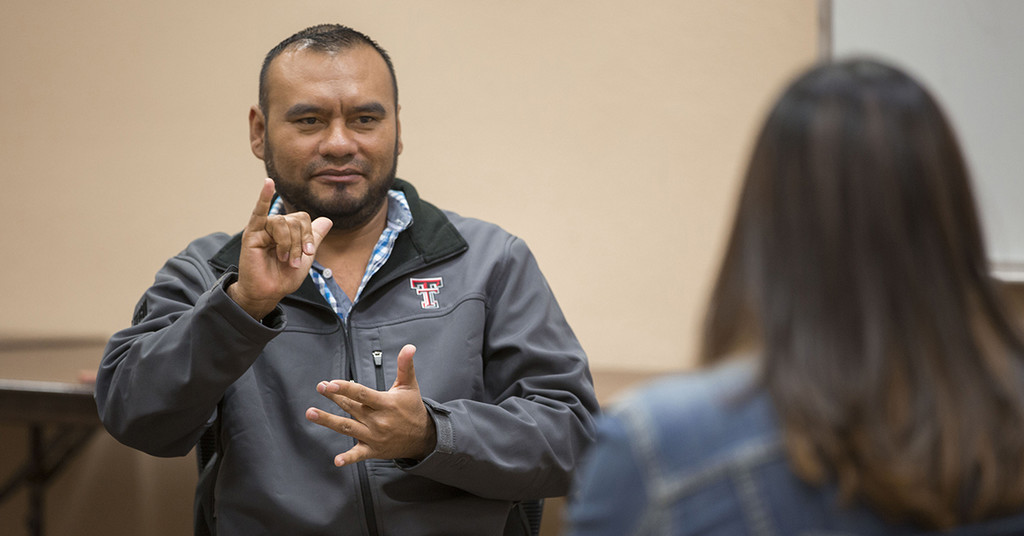
Linguists later identified that the younger children, especially those who entered the school at a very young age, played a crucial role in refining the language. They added new grammatical structures and vocabulary, turning the pidgin-like communication into a full-fledged language with its own rules.

Why This Matters: Insights into Language and the Brain
The emergence of Nicaraguan Sign Language provided scientists with a unique opportunity to study how languages are born. It demonstrated that children have an innate capacity to create language when exposed to a community of peers, even without formal instruction. This challenged previous theories that language must be taught explicitly. Context on how this played out before sits in How Deaf Nicaraguan Children Created a New Language in the 1980s.
Moreover, the study of ISN has implications for understanding the critical period for language acquisition. Children who learned ISN from a young age developed more sophisticated language skills than those who were exposed later, highlighting the importance of early language exposure. The background to this story is set out in Science: latest articles. A related thread runs through French and German Babies Cry in Different Melodies, Study Finds.
Key Takeaways from the Nicaraguan Sign Language Phenomenon
- Spontaneous language creation: Deaf children in Nicaragua created a new sign language without adult guidance.
- Playground as a laboratory: The language emerged during unstructured play, not in formal lessons.
- Children as language innovators: Younger children played a key role in adding grammatical complexity.
- Critical period for language: Early exposure to language is crucial for full linguistic development.
- Impact on linguistics: The phenomenon has provided invaluable insights into the nature of language and the human mind.
Comparison of Language Development Stages
| Stage | Description | Timeframe |
|---|---|---|
| Home signs | Idiosyncratic gestures used by individual children before school | Before 1980s |
| Pidgin | Basic communication system with limited grammar | Early 1980s |
| Creolization | Development of full grammar by younger children | Mid to late 1980s |
| Mature ISN | Complex language with consistent syntax and vocabulary | 1990s onward |
What to Watch Next: Ongoing Research and Implications
Researchers continue to study Nicaraguan Sign Language as it evolves. New generations of deaf children are learning ISN and adding new elements, providing a living laboratory for language change. The story also highlights the importance of accessible education and community for deaf children worldwide. Earlier coverage in What Is an Exoplanet? Inside the Search for Distant Worlds shows how the argument developed. A closer look at the same subject appears in Solar Storms Explained: Why Modern Society Is So Vulnerable.
Understanding how ISN developed can inform educational policies for deaf children, emphasizing the need for early exposure to sign language and opportunities for peer interaction. It also underscores the resilience and creativity of children in overcoming communication barriers. Anyone following the wider picture can start with Mother Tongue vs Native Language: The Difference Most People Get Wrong. The same theme surfaces in Commencement Means Beginning: The Strange Language of Graduation, which takes a different angle.
FAQ
What is Nicaraguan Sign Language?
Nicaraguan Sign Language (ISN) is a sign language that emerged spontaneously among deaf children in Nicaragua in the 1980s. It developed from the children's own gestures and home signs into a full-fledged language with its own grammar.
How did the children create the language?
The children created the language through social interaction in the schoolyard, without formal instruction. Younger children played a key role in refining and systematizing the language, adding grammatical complexity over time.
Why is this important for linguistics?
The emergence of ISN provided linguists with a unique opportunity to observe the birth of a language. It demonstrated that children have an innate ability to create language and highlighted the critical period for language acquisition.
What happened to the children after they left school?
Many of the children continued to use and develop ISN within the deaf community in Nicaragua. The language has been passed on to new generations and is now recognized as a vital part of Nicaraguan deaf culture.
Browse the Shop
 Acacia frida deluxe solid wood bed frame |
Bedroom bench |
Bed chest drawers |
Lingerie dresser |
Frame base |
Mirror with jewelry storage |
30 Bathroom Vanity |
Memory foam queen mattress |
Mattresses for back pain |
Nightstand set of 2 |
Grand Goldman Shop |
Civil Lawyer
Deutschland Trikot WM 2026







