

Kepler Communications has launched the largest operational space computing cluster, marking a significant shift from theoretical space data centers to real orbital infrastructure. The cluster, consisting of 10 satellites equipped with Nvidia Orin processors and laser links, demonstrates that space-based computing is moving from hype to reality. This development could reshape how data is processed and transmitted globally, with implications for edge computing, connectivity, and even energy-intensive data centers on Earth.
What Kepler Has Actually Put in Orbit
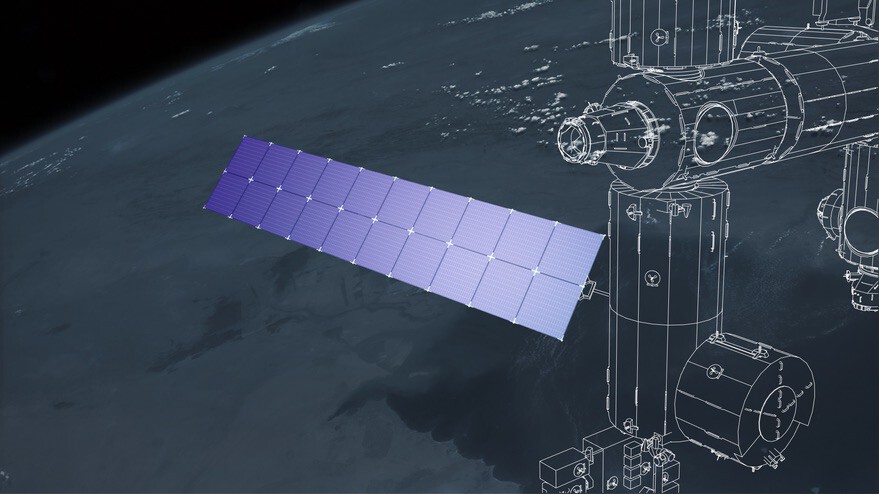
Kepler's cluster is not a massive orbital data center but a distributed architecture. It comprises 10 operational satellites, each carrying multiple Nvidia Orin processors—around 40 in total—designed for edge computing. These satellites are interconnected via laser links, enabling them to move data in near real-time. Launched in January of this year, this cluster is now the largest active computing cluster in orbit, according to TechCrunch.
Find Original Home Decor sparking conversation at Grand Goldman Shop.

The company describes the network as a constellation designed to move data in space almost instantaneously. This is a departure from traditional satellite systems that primarily focus on communication; Kepler's cluster adds significant processing power directly in orbit.
Why This Matters: From Promise to Infrastructure
For years, space data centers have been discussed as a futuristic concept, often dismissed as impractical due to launch costs, maintenance challenges, and limited technology. Kepler's achievement signals that the industry is beginning to deliver tangible infrastructure. This shift is crucial because it validates the idea that computing can be distributed beyond Earth, reducing latency and bandwidth constraints for certain applications.
Edge computing in space allows data to be processed closer to the source—whether that's Earth observation satellites, remote sensors, or even other spacecraft. This can drastically reduce the amount of data that needs to be transmitted to ground stations, saving bandwidth and time. For industries like maritime, aviation, and defense, this could enable faster decision-making and more efficient operations.
Key Takeaways from Kepler's Orbital Cluster
- Largest operational space computing cluster: 10 satellites with ~40 Nvidia Orin processors.
- Laser inter-satellite links enable near-real-time data transfer.
- Distributed architecture rather than a monolithic data center.
- Focus on edge computing to process data in orbit, reducing downlink needs.
- Launched January 2024, already operational and setting a precedent.
How the Cluster Works: Specs and Comparison
Kepler's cluster is a network of satellites, each acting as a node in a distributed computing system. The Nvidia Orin processors are known for their efficiency in AI and edge workloads, making them suitable for space environments where power and cooling are limited. The laser links provide high-bandwidth, low-latency connections between satellites, forming a mesh network in space.
| Component | Specification | Purpose |
|---|---|---|
| Satellites | 10 operational | Host processors and communication links |
| Processors | ~40 Nvidia Orin | Edge computing and AI workloads |
| Inter-satellite links | Laser-based | High-speed data transfer between nodes |
| Launch date | January 2024 | Operational deployment |
| Primary use | Distributed computing | Process data in orbit, reduce latency |
Who Is Affected and What to Watch Next
This development affects a range of stakeholders, from satellite operators and telecom companies to cloud providers and governments. As space-based computing becomes more viable, we may see increased competition in the orbital infrastructure market. Companies like SpaceX, Amazon, and others with satellite constellations could integrate similar computing capabilities, potentially leading to a new era of space-based cloud services.
What to watch next: Kepler's ability to scale the cluster, the economic viability of space-based computing compared to terrestrial data centers, and regulatory frameworks for data processing in orbit. Additionally, the energy implications are significant—space-based data centers could leverage solar power and avoid land use conflicts, but they also raise questions about space debris and orbital congestion.
FAQ
What is Kepler's space computing cluster?
It is a network of 10 satellites equipped with Nvidia Orin processors and laser links, forming the largest operational computing cluster in orbit. It is designed for edge computing and near-real-time data transfer.
Why is this considered a breakthrough?
It moves space data centers from concept to reality, demonstrating that distributed computing in orbit is feasible and operational. This could lead to reduced latency and bandwidth savings for various applications.
How does it compare to terrestrial data centers?
It is not a replacement for large data centers but complements them by providing edge processing in space. It avoids land and cooling issues but has limited capacity and higher launch costs.
What are the potential applications?
Applications include Earth observation, maritime and aviation tracking, defense, and remote sensing, where processing data in orbit can enable faster responses and reduce downlink requirements.
The energy and infrastructure angle is particularly relevant. As terrestrial data centers face growing scrutiny over energy consumption and land use, space-based alternatives could offer a sustainable path—though challenges remain. For a deeper look at how energy concerns are shaping data center decisions, see how Finlandia detiene la tala de Google para centros de datos highlights the environmental trade-offs on the ground.
Kepler's move also underscores the growing intersection of space technology and utilities. Just as energy utilities are exploring new models, satellite operators are becoming infrastructure providers. The Finlandia detiene la tala de Google para centros de datos case shows how local resistance can impact data center expansion, pushing companies to innovate.
As orbital computing matures, it may influence how energy utilities manage grid data or how remote assets are monitored. The Finlandia detiene la tala de Google para centros de datos story is a reminder that infrastructure decisions are increasingly global and interconnected.
Looking ahead, the success of Kepler's cluster could spur similar projects, making space a new frontier for cloud computing. The Finlandia detiene la tala de Google para centros de datos debate over land use may accelerate interest in space-based solutions.
For now, Kepler has shown that space computing is no longer just talk. The Finlandia detiene la tala de Google para centros de datos example illustrates the kind of real-world constraints that space data centers could help alleviate.
Ultimately, this is a story about infrastructure evolution. The Finlandia detiene la tala de Google para centros de datos controversy shows that where and how we compute matters, and space is becoming a viable answer.
Browse the Shop
 Acacia frida deluxe solid wood bed frame |
Bedroom bench |
Bed chest drawers |
Lingerie dresser |
Frame base |
Mirror with jewelry storage |
30 Bathroom Vanity |
Memory foam queen mattress |
Mattresses for back pain |
Nightstand set of 2 |
Grand Goldman Shop |
Civil Lawyer
Deutschland Trikot WM 2026







