

The remote control, a ubiquitous device in modern life, was first invented in 1903 by Spanish engineer Leonardo Torres Quevedo. This groundbreaking creation, called the Telekino, marked the beginning of a long history of remote interaction with technology.
While today's remote controls are small enough to fit in our hands, the original Telekino was a far cry from the sleek devices we know. It was a large apparatus that occupied an entire table, reflecting the technological limitations of the era.
Find Original Home Decor sparking conversation at Grand Goldman Shop.

The Birth of the Remote Control: Leonardo Torres Quevedo's Telekino
Leonardo Torres Quevedo (1852-1936) was a prolific inventor, mathematician, and engineer. In 1903, he conceived, built, and patented the first remote control in history. He named it the Telekino, and it was designed to control devices from a distance using electromagnetic waves.
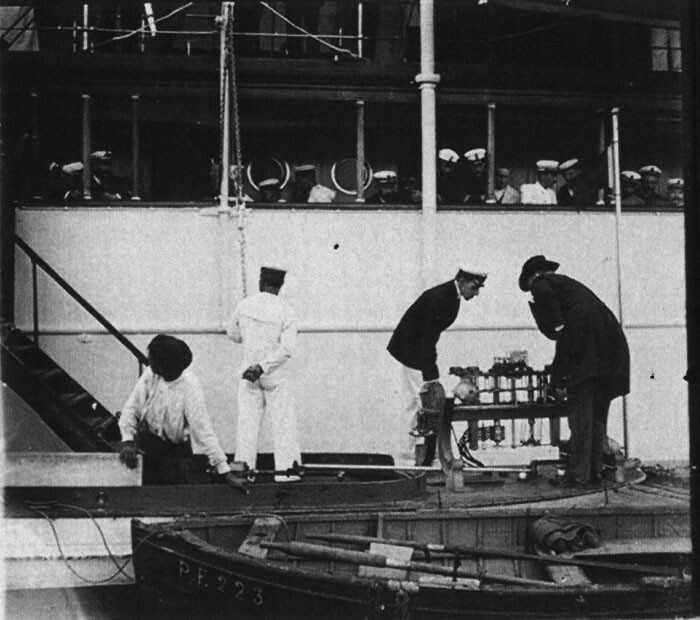
The Telekino was initially used to control a small boat, demonstrating the potential of remote operation. This invention laid the foundation for future developments in remote control technology, even though its original purpose was not to control televisions.
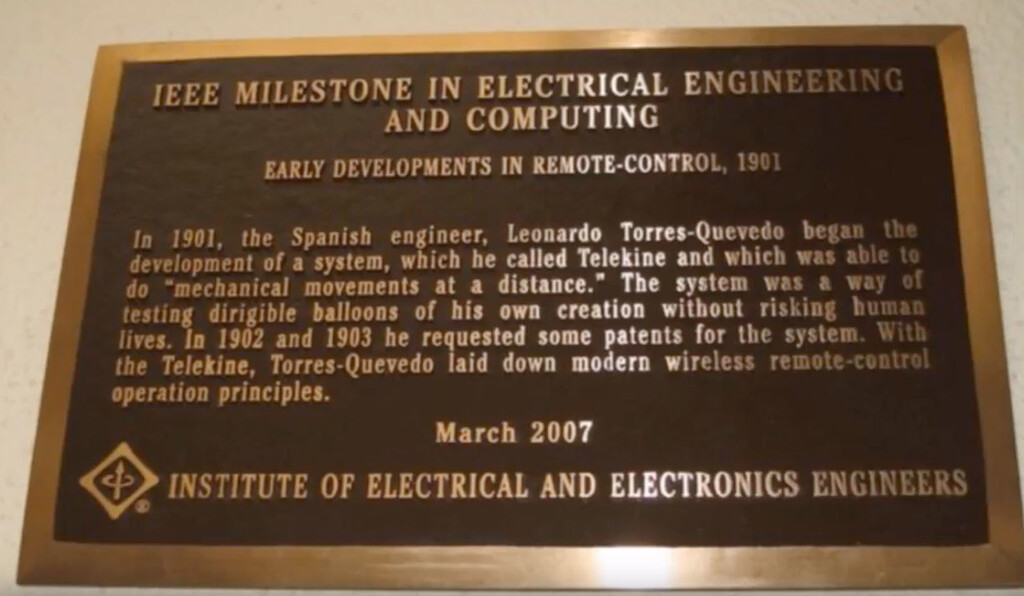
Why the Telekino Mattered: A Leap in Technology
The Telekino was revolutionary because it allowed for the wireless control of mechanical devices, a concept that was unheard of at the time. It used a system of electromagnetic waves to transmit commands, which were then received and executed by the device.
This breakthrough had significant implications for various fields, including transportation and military applications. It showed that machines could be controlled without direct physical connection, opening up a world of possibilities. The background to this story is set out in Remote Control History: The Spanish Invention That Changed Everything. A related thread runs through El Ajedrecista: The First Computer Game by Leonardo Torres Quevedo. Earlier coverage in 18 Inventions that every cooking lover should know shows how the argument developed.
From Telekino to TV Remote: The Evolution of Remote Control
The remote control did not become a household item until the latter half of the 20th century, with the advent of television. Early TV remotes were wired and cumbersome, but they paved the way for the wireless infrared and radio frequency remotes we use today. A closer look at the same subject appears in Useful inventions that make everyday life easier. Anyone following the wider picture can start with Science: latest articles. The same theme surfaces in Solid Rocket Fuel Breakthrough: Scientists Finally Solve the Shutdown Problem, which takes a different angle.
The miniaturization of electronics and the development of new technologies have transformed the remote control from a table-sized machine to a pocket-sized device. Today, remote controls are used for everything from TVs and air conditioners to drones and toys. Context on how this played out before sits in Rock Paper Scissors Origins: Who Invented the Game?. A companion piece, Perplexity CEO: Microsoft Invented Office Work to Sell Software, approaches the same subject from another angle.
Key Takeaways
- The first remote control, the Telekino, was invented by Leonardo Torres Quevedo in 1903.
- The Telekino was a large device that used electromagnetic waves to control mechanical devices.
- It was initially used to control a boat, not televisions.
- The invention laid the foundation for modern remote control technology.
- Remote controls have evolved from large machines to small, handheld devices.
Comparison: Telekino vs. Modern Remote Controls
| Feature | Telekino (1903) | Modern Remote Control |
|---|---|---|
| Size | Table-sized | Handheld |
| Technology | Electromagnetic waves | Infrared, Bluetooth, Wi-Fi |
| Primary Use | Controlling boats and machines | Controlling TVs, appliances, toys |
| Power Source | External power supply | Batteries |
FAQ
Who invented the first remote control?
What was the Telekino used for?
How did the Telekino work?
Why is the Telekino important?
The story of the remote control is a testament to human ingenuity and the relentless pursuit of convenience. From Torres Quevedo's Telekino to the sophisticated devices we use today, the evolution of remote control reflects our desire to interact with the world effortlessly.
As we look to the future, remote control technology continues to advance, with voice control and gesture recognition becoming increasingly common. The legacy of the Telekino lives on in every remote we pick up.
Browse the Shop
 Acacia frida deluxe solid wood bed frame |
Bedroom bench |
Bed chest drawers |
Lingerie dresser |
Frame base |
Mirror with jewelry storage |
30 Bathroom Vanity |
Memory foam queen mattress |
Mattresses for back pain |
Nightstand set of 2 |
Grand Goldman Shop |
Civil Lawyer
Deutschland Trikot WM 2026







