

Spain's first meteorite impact crater has been confirmed in the Tabernas basin of Almeria, a discovery that marks a milestone in Spanish geology. The finding, led by researcher Juan Antonio Sánchez Garrido and his colleague Sebastián Sánchez, began as a study of the Gordo Megabed formation and ended with international scientific recognition.
The pair was examining a well-known set of rocks in the Tabernas desert, an area already studied for its seismic activity. But something didn't add up. Chemical and magnetic anomalies pointed to an event far more violent than an earthquake.
Find Original Home Decor sparking conversation at Grand Goldman Shop.

How the Almeria Meteorite Crater Was Discovered
Sánchez Garrido and Sánchez were not looking for a meteorite. They were investigating the geological history of the Gordo Megabed, a formation in the Tabernas basin. The region is famous for its arid badlands and has long been a natural laboratory for geologists.
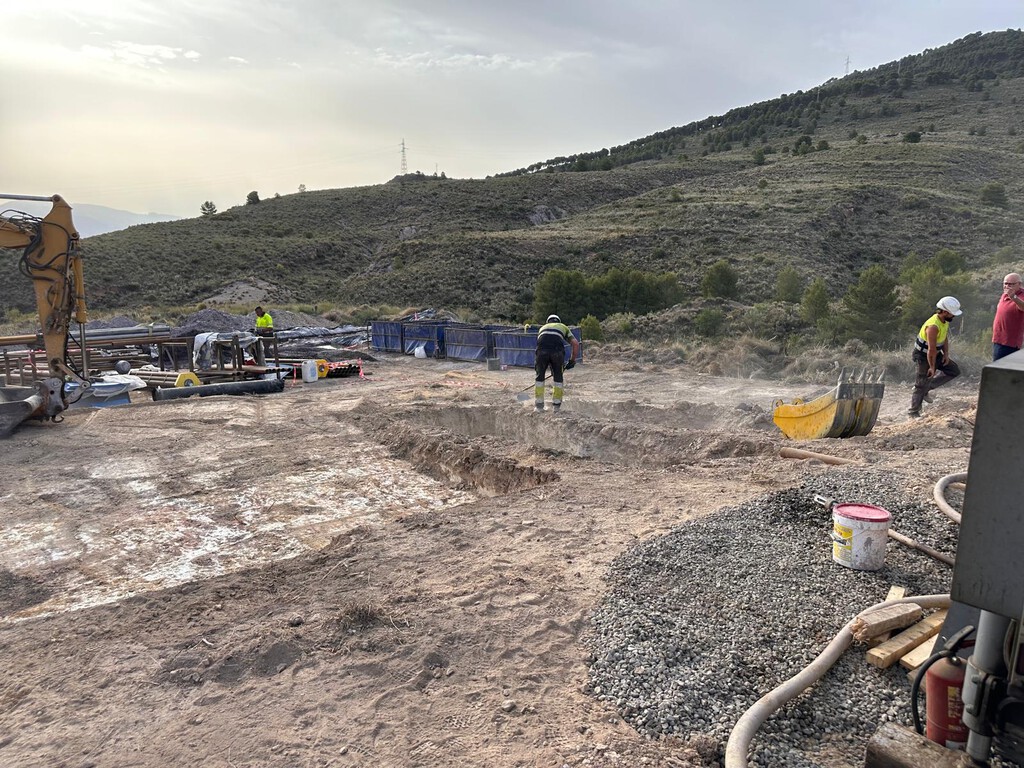
As they analyzed the rocks, they noticed a geochemical anomaly: certain elements were present in concentrations that did not match normal sedimentary or seismic processes. The magnetic properties of the rocks also stood out. Together, these clues suggested that around 8 million years ago, something caused an immense spike in temperature and pressure.
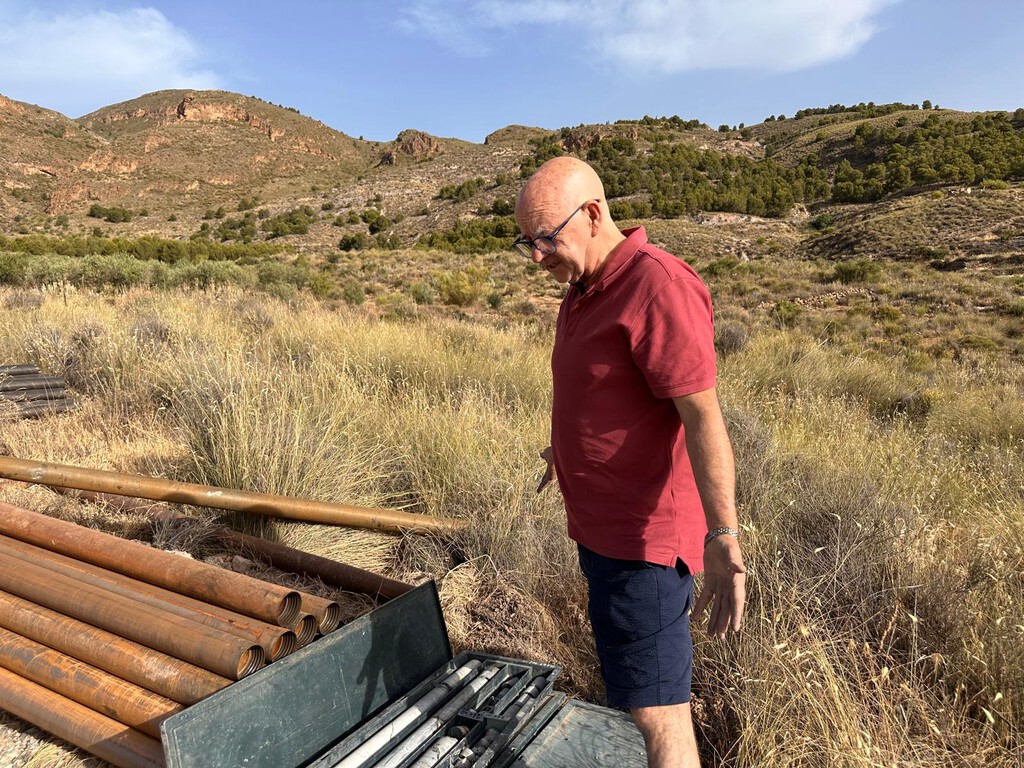
The only phenomena capable of producing such effects are a nuclear explosion or a meteorite impact. Given the timeframe, a nuclear event was impossible. That left a meteorite—a first for Spain.
Why the Tabernas Basin Holds the Evidence
The Tabernas basin is part of the Betic Cordillera, a mountain range that formed as the African and Iberian plates collided. Its sedimentary layers preserve a record of millions of years of Earth history. The Gordo Megabed itself is a distinctive layer of rock that has attracted scientific attention for decades.
According to Sánchez Garrido, the initial resistance from some quarters was significant. The idea of a meteorite impact in Spain was novel, and extraordinary claims require extraordinary evidence. The team gradually built a case by adding specialists in geochemistry, magnetism, and impact geology.
Their persistence paid off. The international scientific community has now confirmed that the structure is indeed an impact crater, the first ever identified in Spain.
What Makes This Crater Scientifically Important
Impact craters are relatively rare on Earth's surface because tectonic activity and erosion erase them over time. Finding one in Spain fills a gap in the European impact record. It also provides a new site for studying the effects of hypervelocity impacts on sedimentary rocks.
The Almeria crater is not just a local curiosity. It helps scientists understand the frequency and consequences of meteorite strikes in the region. Moreover, it offers a window into the geological conditions of the late Miocene, when the impact occurred.
Sánchez Garrido is convinced that more craters may be waiting to be found. "I am sure there could be another," he said, suggesting that Spain's geological record may hold further impact structures.
Key Takeaways from the Discovery
- The first meteorite impact crater in Spain has been confirmed in the Tabernas basin, Almeria.
- The discovery was made by Juan Antonio Sánchez Garrido and Sebastián Sánchez while studying the Gordo Megabed.
- Evidence includes geochemical anomalies and magnetic signatures indicating extreme temperature and pressure about 8 million years ago.
- The international scientific community has validated the finding.
- The researchers believe additional craters may exist in Spain.
Comparison with Other Impact Craters
Spain's new crater joins a global list of confirmed impact structures. The table below shows how it compares with some well-known craters in Europe and beyond.
| Crater | Location | Age (approx.) | Diameter |
|---|---|---|---|
| Tabernas | Almeria, Spain | 8 million years | Not specified |
| Ries | Germany | 15 million years | 24 km |
| Chicxulub | Mexico | 66 million years | 180 km |
| Siljan | Sweden | 377 million years | 52 km |
Note: The Tabernas crater's exact dimensions have not been disclosed in the source. The comparison highlights the range of impact structures known worldwide.
What Happens Next for the Almeria Crater
Research is ongoing. Sánchez Garrido and his team want to learn everything possible about the impact: its size, the angle of approach, and the environmental effects at the time. Such details can be gleaned from shocked minerals, melt breccias, and ejecta layers. The background to this story is set out in Hickman Crater: How Google Earth Revealed a 260-Meter Meteorite Impact. A related thread runs through Hoba Meteorite: Why a 60-Ton Space Rock Left No Crater. Earlier coverage in NASA Satellite Captures Giant Spider-Shaped Crater in Australia shows how the argument developed.
The discovery also raises the possibility of other craters in Spain. The Iberian Peninsula has a variety of geological settings, some of which could preserve impact signatures. Systematic searches might reveal more. A closer look at the same subject appears in ESA Tests Rosalind Franklin Rover in Almería Desert Simulation. Anyone following the wider picture can start with Einstein's 90-Year Math Puzzle Solved by Spanish Researcher. The same theme surfaces in Almería: Spain's City Most Punished by Renfe Rail Cuts, which takes a different angle.
For now, the confirmation puts Almeria on the map for planetary science. It is a reminder that even well-studied regions can hold surprises. Context on how this played out before sits in Spain Cracks Down on Migrant Registration Fraud in Almería. A companion piece, Murcia to Almería Rail Link Takes Key Step Forward, approaches the same subject from another angle.
FAQ
Where is Spain's first meteorite crater?
It is located in the Tabernas basin in Almeria, within the Gordo Megabed formation. The area is known for its desert landscapes and geological exposures.
How old is the Almeria impact crater?
The impact occurred approximately 8 million years ago, during the late Miocene epoch. This age was determined from the geological context of the rock layers.
Who discovered the crater?
Juan Antonio Sánchez Garrido and Sebastián Sánchez discovered the crater while studying the Gordo Megabed. They later involved other researchers to confirm the finding.
Could there be more meteorite craters in Spain?
Yes, according to Sánchez Garrido, who believes another crater could exist. Spain's diverse geology may preserve other impact structures yet to be found.
Browse the Shop
 Acacia frida deluxe solid wood bed frame |
Bedroom bench |
Bed chest drawers |
Lingerie dresser |
Frame base |
Mirror with jewelry storage |
30 Bathroom Vanity |
Memory foam queen mattress |
Mattresses for back pain |
Nightstand set of 2 |
Grand Goldman Shop |
Civil Lawyer
Deutschland Trikot WM 2026







