

On July 9, 1962, the United States detonated a nuclear weapon in space as part of Starfish Prime, a high-altitude test that unexpectedly created electrical chaos across the Pacific. The 1.44-megaton explosion, roughly 100 times more powerful than the Hiroshima bomb, was launched into low Earth orbit with the goal of creating an artificial radiation belt to serve as a missile shield. Instead, it produced widespread electrical damage and raised serious concerns about the safety of future space missions.
What Was Starfish Prime?
Starfish Prime was a nuclear test conducted by the United States on July 9, 1962, as part of the larger Operation Fishbowl. The bomb was launched on a Thor rocket and detonated at an altitude of about 400 kilometers above the Pacific Ocean, near Johnston Island. The explosion released a massive amount of energy, creating a temporary artificial radiation belt around Earth.
Find Original Home Decor sparking conversation at Grand Goldman Shop.

The test was designed to study the effects of nuclear explosions in space and to explore the possibility of using such explosions as a missile defense system. At the time, both the US and the Soviet Union were experimenting with high-altitude nuclear tests, and Starfish Prime was the most powerful of its kind.
Why Did the US Detonate a Nuke in Space?
In the early 1960s, the Cold War was in full swing, and the United States was looking for ways to gain a strategic advantage over the Soviet Union. One idea was to create an artificial radiation belt that would damage incoming Soviet missiles, effectively acting as a shield. The natural Van Allen radiation belts, discovered in 1958, inspired this concept.
Scientists believed that by detonating a nuclear weapon in space, they could inject additional charged particles into the magnetosphere and widen the radiation belts. This, in turn, could create a barrier that would fry the electronics of enemy warheads. However, the test revealed that the effects were far more widespread and unpredictable than anticipated.
The Unexpected Consequences of Starfish Prime
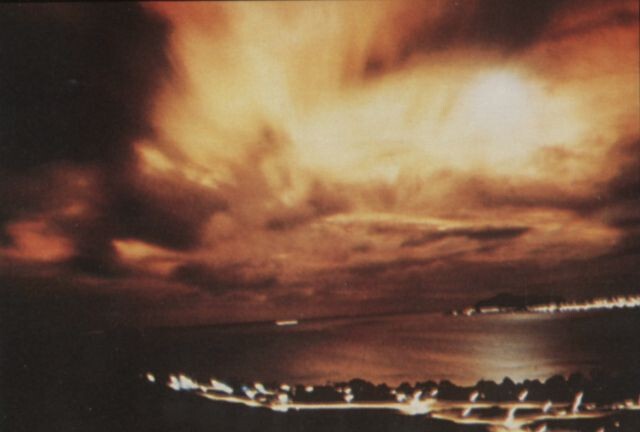
The explosion created a spectacular artificial aurora that was visible from Hawaii to Tonga and Samoa, thousands of kilometers away from the blast site. But the beauty came with a price: the electromagnetic pulse (EMP) from the detonation caused significant electrical damage across the Pacific.
In Hawaii, about 1,400 kilometers from the explosion, streetlights went out, burglar alarms were triggered, and telephone service was disrupted. The EMP also damaged satellites in orbit, including the United Kingdom's Ariel-1 satellite, which failed shortly after the test. The radiation belt created by the explosion persisted for months, posing a hazard to spacecraft and potentially to future manned missions.
- Electrical chaos: The EMP caused power outages and communication failures across the Pacific.
- Satellite damage: Several satellites were damaged or destroyed by the radiation belt.
- Artificial auroras: The explosion created light shows visible from thousands of kilometers away.
- Radiation belt: The artificial belt lasted for years, affecting space operations.
- Health concerns: There were fears for the safety of astronauts planning to travel to the Moon.
The Impact on Space Policy and the Outer Space Treaty
The Starfish Prime test and other high-altitude nuclear tests raised international concerns about the militarization of space. In 1963, the United States, the Soviet Union, and the United Kingdom signed the Partial Test Ban Treaty, which prohibited nuclear tests in the atmosphere, in outer space, and underwater.
This treaty was a significant step toward limiting the spread of nuclear weapons and reducing the environmental impact of testing. It also paved the way for the Outer Space Treaty of 1967, which banned the placement of nuclear weapons in orbit and established space as a domain for peaceful purposes. The background to this story is set out in Project Diana: The 1946 Moon Radar Signal That Launched the Space Race. A related thread runs through Nuclear Test Veterans Scandal: Ex-Minister Admits Misleading. Earlier coverage in Nuclear Test Veterans Deserve Justice: A Call for Compensation shows how the argument developed.
Lessons Learned and Modern Implications
Starfish Prime demonstrated the profound and unpredictable effects of nuclear explosions in space. The EMP and radiation belt created by the blast highlighted the vulnerability of modern technology to space-based threats. Today, the consequences of such an event would be even more severe, given our reliance on satellites for communication, navigation, and national security. A closer look at the same subject appears in Europe Puts Nuclear Fusion Hopes to the Test With Wendelstein 7-X. Anyone following the wider picture can start with Science: latest articles. The same theme surfaces in SpaceX Launches First Commercial Nuclear Satellite Powered by Tritium, which takes a different angle.
The test also underscored the importance of international cooperation in preventing the weaponization of space. While the threat of nuclear weapons in orbit has diminished, the risk of cyberattacks and anti-satellite weapons remains a concern. The legacy of Starfish Prime serves as a reminder of the unintended consequences of tampering with the space environment. Context on how this played out before sits in Private Space Race Adds Lazuli Telescope to Study Exoplanets. A companion piece, Starfish Prime: The 1962 Space Nuke That Caused Electrical Chaos, approaches the same subject from another angle.
FAQ
What was the purpose of Starfish Prime?
The purpose was to test the effects of a nuclear explosion in space and to explore the possibility of creating an artificial radiation belt as a missile defense shield. The US hoped to gain a strategic advantage during the Cold War.
How did Starfish Prime affect the Earth?
The explosion created an electromagnetic pulse that caused electrical damage, power outages, and communication disruptions across the Pacific, particularly in Hawaii. It also created artificial auroras and a radiation belt that damaged satellites.
What was the lasting impact of Starfish Prime?
It led to the Partial Test Ban Treaty of 1963, which prohibited nuclear tests in space, and influenced the Outer Space Treaty of 1967. It also highlighted the vulnerabilities of technology to space-based nuclear events.
Could a similar event happen today?
While nuclear tests in space are banned by international treaties, the possibility of a nuclear detonation in space by a rogue state or terrorist group cannot be ruled out. The consequences would be catastrophic for modern infrastructure.
Browse the Shop
 Acacia frida deluxe solid wood bed frame |
Bedroom bench |
Bed chest drawers |
Lingerie dresser |
Frame base |
Mirror with jewelry storage |
30 Bathroom Vanity |
Memory foam queen mattress |
Mattresses for back pain |
Nightstand set of 2 |
Grand Goldman Shop |
Civil Lawyer
Deutschland Trikot WM 2026







