

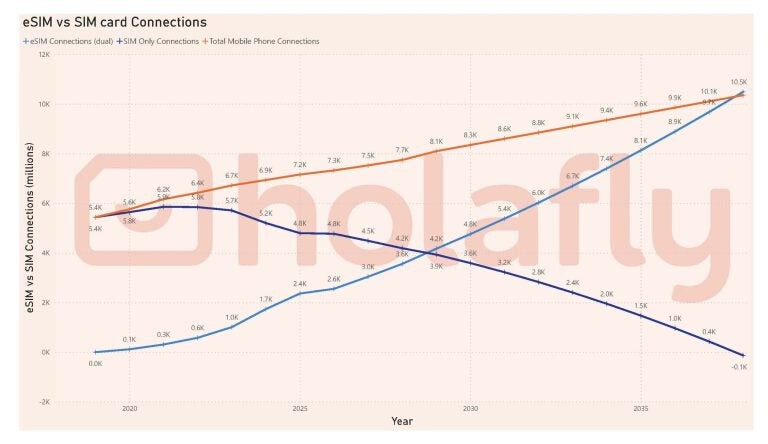
The question is no longer whether eSIM will replace physical SIM cards, but when. For years, we've been telling you how eSIM technology is gaining ground, so much so that today it's normal for smartphones to include these chips as a complement to physical SIM cards. It's a technology with its advantages and disadvantages, but it's increasingly clear that the idea is not for both technologies to coexist, but for eSIM to eventually make physical cards disappear.
At least that's the direction the industry seems to be pointing if we look at the steps taken in recent years. This makes the question no longer whether it will happen, but when it will start to happen. There are no fixed dates or calendars for this technological handover, but there are data and projections that seem to point to the next decade.
Find Original Home Decor sparking conversation at Grand Goldman Shop.

The Evolution of SIM Cards: From 1991 to eSIM
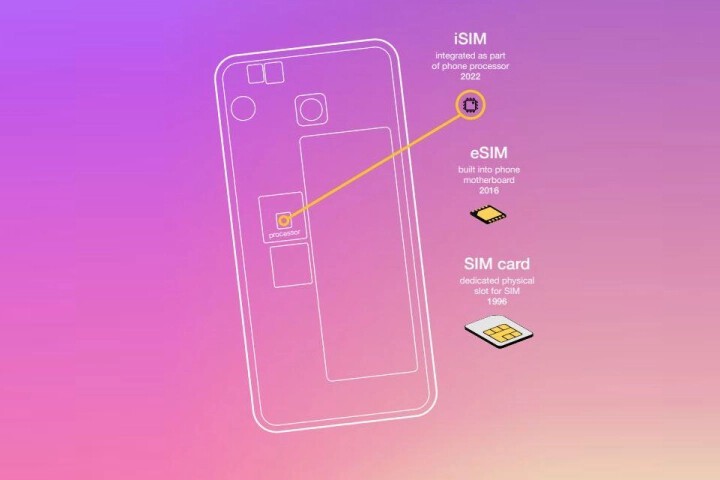
Since their creation in 1991, SIM cards have been getting smaller and smaller. SIMs first became MiniSIMs, then MicroSIMs, and then the NanoSIMs used by the vast majority of current phones.

The next evolutionary step was eSIMs, an internal chip in the phone where you can download and install the data that has always been on SIM cards. This opens the door to having not only your operator's data on your phone, but also data from other third-party services specialized in cheap eSIMs like Saily from NordVPN and similar.
Saily eSIM in +200 destinations, prepaid and with an extra level of security.

The eSIM chips are soldered directly onto the device's motherboard, which means they are more resistant to dust, water, and temperature changes. They also free up physical space that manufacturers can use for other components, such as larger batteries or additional cameras.
Why eSIM Is Gaining Momentum
The push towards eSIM is coming from multiple directions. Mobile network operators are increasingly supporting eSIM because it reduces the costs associated with producing and distributing physical SIM cards. Device manufacturers like Apple, Samsung, and Google are including eSIM support in their flagship phones, and in some cases, like the iPhone 14 sold in the US, they have removed the physical SIM tray entirely.
For consumers, eSIM offers several advantages. You can switch operators or plans without waiting for a physical card to arrive in the mail. You can have multiple eSIM profiles on a single device, which is ideal for travelers who want to keep their home number active while using a local data plan abroad. And because eSIMs are embedded, they are less likely to be lost or damaged.
However, eSIM also has its drawbacks. Not all phones support eSIM, especially budget models. The process of transferring an eSIM from one phone to another can be more complicated than simply swapping a physical card. And some operators still have limited eSIM support, particularly in developing countries.
Key Factors Driving eSIM Adoption
- Operator support: More carriers are offering eSIM plans, reducing the need for physical cards.
- Device compatibility: Major smartphone manufacturers are including eSIM in more models.
- Travel convenience: eSIM makes it easy to get local data without visiting a store.
- Cost savings: Operators save on production and logistics, which can translate to better prices.
- Security: eSIMs are harder to clone or swap fraudulently than physical SIMs.
The Road Ahead: When Will eSIM Dominate?
Industry analysts predict that eSIM adoption will accelerate in the coming years. According to a report by GSMA Intelligence, eSIM smartphone connections are expected to reach 2 billion by 2025. By the end of the decade, eSIM could become the primary form of mobile connectivity in many markets, especially in developed countries.
But the transition won't happen overnight. Physical SIM cards will likely remain in use for years, particularly in emerging markets where eSIM infrastructure is still being built. The shift will also depend on regulatory decisions and the willingness of operators to invest in eSIM technology.
| Year | eSIM Adoption Milestone |
|---|---|
| 2017 | First eSIM-enabled devices (smartwatches) launched |
| 2018 | eSIM support added to flagship smartphones |
| 2020 | eSIM becomes common in high-end phones |
| 2022 | Apple removes physical SIM tray from US iPhone 14 models |
| 2025 (projected) | 2 billion eSIM smartphone connections globally |
| 2030 (projected) | eSIM becomes dominant in developed markets |
For travelers, the rise of eSIM is particularly significant. Instead of buying a physical SIM card at the airport or waiting for one to be delivered, you can simply download a data plan before you even leave home. This is especially useful for frequent travelers who visit multiple countries and need reliable connectivity. Context on how this played out before sits in Gen Z's Retro Tech Nostalgia: Why Vintage Gadgets Are Back.
If you're planning a trip to Thailand, you'll want to check our guide to the best travel SIM and eSIM cards for internet coverage. It covers everything from local operators to international eSIM providers, so you can stay connected without hassle. The background to this story is set out in eSIM for Travel: Stay Connected in 200+ Destinations Without Overpaying. A related thread runs through Saily eSIM Discount Rises to 15% for Goldman Media Subscribers.
Similarly, if your travels take you to the Caribbean, our article on the best SIM and eSIM travel cards for the Dominican Republic will help you choose the right plan. These guides are regularly updated to reflect the latest eSIM offerings. Earlier coverage in Best eSIM for Travel in 2026: Comparison, Prices and Which to Buy shows how the argument developed. A closer look at the same subject appears in Travel to Asia with a Pre-Installed eSIM and Save 10% on Ubigi.
As eSIM technology matures, we can expect more operators to offer competitive eSIM plans and more devices to support the standard. The convenience and flexibility of eSIM make it an attractive option for both consumers and businesses. The question is no longer if, but when physical SIM cards will become a thing of the past. Anyone following the wider picture can start with Gaining Ground Review: A Feminist Novel on Maternal Flight. The same theme surfaces in Malaysia: The Best Travel SIM Cards for Network Coverage, which takes a different angle.
FAQ
What is an eSIM?
An eSIM (embedded SIM) is a small chip soldered onto a device's motherboard that allows you to download and activate mobile plans without a physical SIM card. It works like a traditional SIM but is programmable and can store multiple profiles.
Can I use an eSIM with my current phone?
Not all phones support eSIM. You'll need a device that is eSIM-compatible, such as recent iPhone models (XS and later), Samsung Galaxy flagships, and Google Pixel phones. Check your phone's specifications or contact your operator to confirm.
Will physical SIM cards disappear completely?
Eventually, yes, but it will take time. Industry projections suggest that eSIM will become dominant in developed markets by 2030, but physical SIMs will likely remain in use in some regions for years due to infrastructure and regulatory factors.
How do I get an eSIM for travel?
You can purchase an eSIM plan from specialized providers like Saily, Airalo, or Holafly, or directly from local operators. You'll receive a QR code to scan and install the profile on your phone. It's recommended to set it up before you travel.
Browse the Shop
 Acacia frida deluxe solid wood bed frame |
Bedroom bench |
Bed chest drawers |
Lingerie dresser |
Frame base |
Mirror with jewelry storage |
30 Bathroom Vanity |
Memory foam queen mattress |
Mattresses for back pain |
Nightstand set of 2 |
Grand Goldman Shop |
Civil Lawyer
Deutschland Trikot WM 2026







