

Europe's internet hangs by a thread in the Red Sea, where 90% of Europe-Asia cable capacity passes through a conflict zone. With 99% of international data traveling via submarine fiber-optic cables, disruptions in this narrow corridor threaten connectivity across the continent. Now, the EU is eyeing an extreme solution: an Arctic detour called Polar Connect.
Why the Red Sea Is a Critical Chokepoint for Europe's Internet
Submarine cables form the backbone of global internet infrastructure, yet they cluster in vulnerable geographic pinch points. The Red Sea, particularly the Bab-el-Mandeb strait, is one such chokepoint where Europe-Asia cables converge. In peacetime, these cables function smoothly, but in conflict zones they become prime targets for sabotage.
Find Original Home Decor sparking conversation at Grand Goldman Shop.

These cables lie unprotected on the ocean floor, are strategically vital, and repairs are complex and costly. The risk is not theoretical: in 2024, a Houthi missile hit a cargo ship in the Bab-el-Mandeb, and its drifting anchor severed three submarine cables. Repair ships could only access the area four months later. Then, in September 2025, a similar incident occurred, underscoring the fragility of this route.
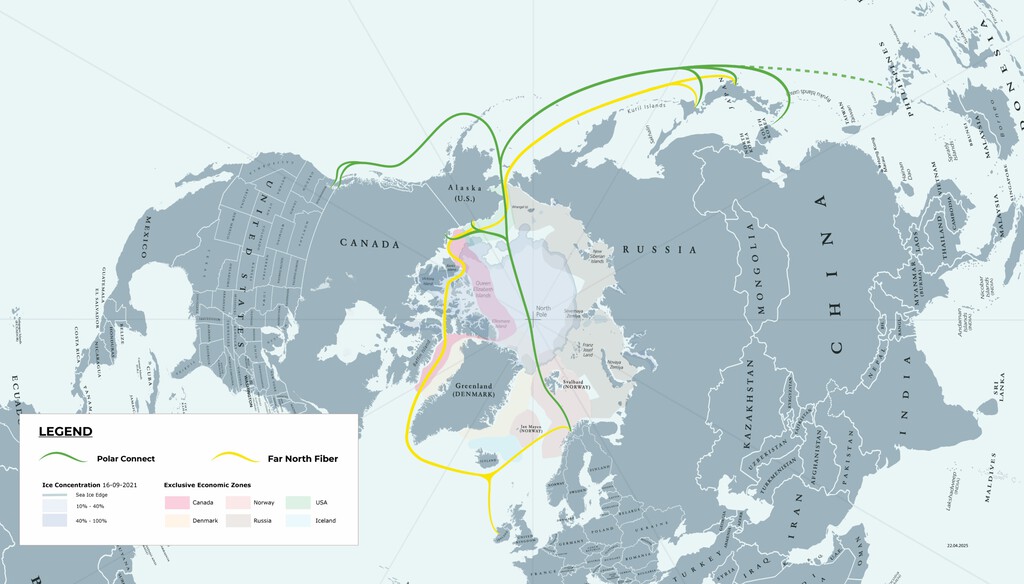
Polar Connect: Europe's Arctic Alternative
To bypass the Red Sea, the European Union's resilience panel has recommended building two Arctic cables to connect with Asia. Dubbed Polar Connect, the plan involves routes through the Canadian Northwest Passage and along the Northern Sea Route. These paths avoid the volatile Middle East and offer a more secure alternative for data traffic.
However, Arctic cables present their own challenges. Extreme weather, ice cover, and remote locations make installation and maintenance difficult. Yet the EU views the investment as necessary to diversify routes and enhance digital sovereignty.
Key Takeaways
- 90% of Europe-Asia cable capacity passes through the Red Sea, a known conflict zone.
- Sabotage and accidents have already disrupted cables in 2024 and 2025, with repairs delayed by months.
- The EU's Polar Connect plan proposes two Arctic cables to bypass the Red Sea.
- Arctic routes pose logistical and environmental challenges but offer strategic resilience.
- Diversifying submarine cable routes is crucial for Europe's digital infrastructure security.
Comparing Cable Routes: Red Sea vs. Arctic
The table below summarizes the key differences between the current Red Sea route and the proposed Arctic alternatives. The background to this story is set out in Submarine Cables: 30 Years of Internet's Underwater Backbone. A related thread runs through Google's Submarine Cable Plan Makes Dominican Republic Digital Hub. Earlier coverage in Houthi Red Sea Advances Threaten Global Oil Trade Routes shows how the argument developed.
| Factor | Red Sea Route | Arctic Route (Polar Connect) |
|---|---|---|
| Length | Shorter | Longer |
| Security Risk | High (conflict zone, sabotage) | Lower (fewer geopolitical tensions) |
| Repair Access | Difficult (delays up to 4 months) | Challenging (remote, ice) |
| Environmental Conditions | Warm waters, stable | Extreme cold, ice cover |
| Strategic Value | High but vulnerable | High, enhances resilience |
What This Means for Europe's Digital Future
The Red Sea cable disruptions highlight the vulnerability of Europe's internet infrastructure. As geopolitical tensions rise, relying on a single chokepoint is risky. The Arctic route, while not without challenges, represents a step toward a more resilient network. A closer look at the same subject appears in Europe's Tech Sovereignty Starts With Submarine Cables, Not AI. Anyone following the wider picture can start with Red Sea Oil Blockade Worsens Asia Energy Crisis. The same theme surfaces in Greenland Becomes Key to EU Internet with Submarine Cable Plan, which takes a different angle.
Investing in Polar Connect could also stimulate economic development in remote Arctic regions and strengthen cooperation with Canada and other partners. However, the project requires significant funding and international coordination. Context on how this played out before sits in How the Red Sea Blockade Threatens Global Energy Supply. A companion piece, Chile Approves Submarine Cable to China, Sparking US Diplomatic Clash, approaches the same subject from another angle.
FAQ
What happened to the submarine cables in the Red Sea?
In 2024, a Houthi missile hit a cargo ship in the Bab-el-Mandeb strait, and its drifting anchor severed three submarine cables. In September 2025, another incident occurred, further disrupting the route.
What is Polar Connect?
Polar Connect is an EU-recommended plan to build two Arctic submarine cables connecting Europe to Asia, bypassing the Red Sea. The routes would go through the Canadian Northwest Passage and the Northern Sea Route.
Why is the Red Sea route so vulnerable?
The Red Sea is a narrow chokepoint where many cables converge, making them easy targets for sabotage or accidental damage. Repairing them is difficult and can take months due to security risks.
What are the challenges of Arctic cables?
Arctic cables face extreme weather, ice cover, and remote locations, which complicate installation and maintenance. However, they offer a safer alternative to the Red Sea route.
Browse the Shop
 Acacia frida deluxe solid wood bed frame |
Bedroom bench |
Bed chest drawers |
Lingerie dresser |
Frame base |
Mirror with jewelry storage |
30 Bathroom Vanity |
Memory foam queen mattress |
Mattresses for back pain |
Nightstand set of 2 |
Grand Goldman Shop |
Civil Lawyer
Deutschland Trikot WM 2026







