

The first OLED MacBook has arrived with the MacBook Pro PROLED XDR, and while its stunning display and high price tag dominate headlines, the real question for many is: will the screen burn in? After years of OLED panels in phones and TVs, concerns about permanent image retention are understandable, but modern technology has largely mitigated the risk.
What Is Screen Burn-In and Why Does It Matter?
Screen burn-in occurs when static elements—like a menu bar, dock, or browser toolbar—are displayed for extended periods, causing those pixels to age faster than surrounding ones. Over time, this can leave a faint, permanent ghost image. On an OLED panel, each pixel emits its own light and degrades with use, making burn-in a inherent risk.
Find Original Home Decor sparking conversation at Grand Goldman Shop.

For a computer monitor, where static interfaces are common, this has historically been a valid concern. However, the new MacBook Pro PROLED XDR incorporates several advancements to combat this issue.
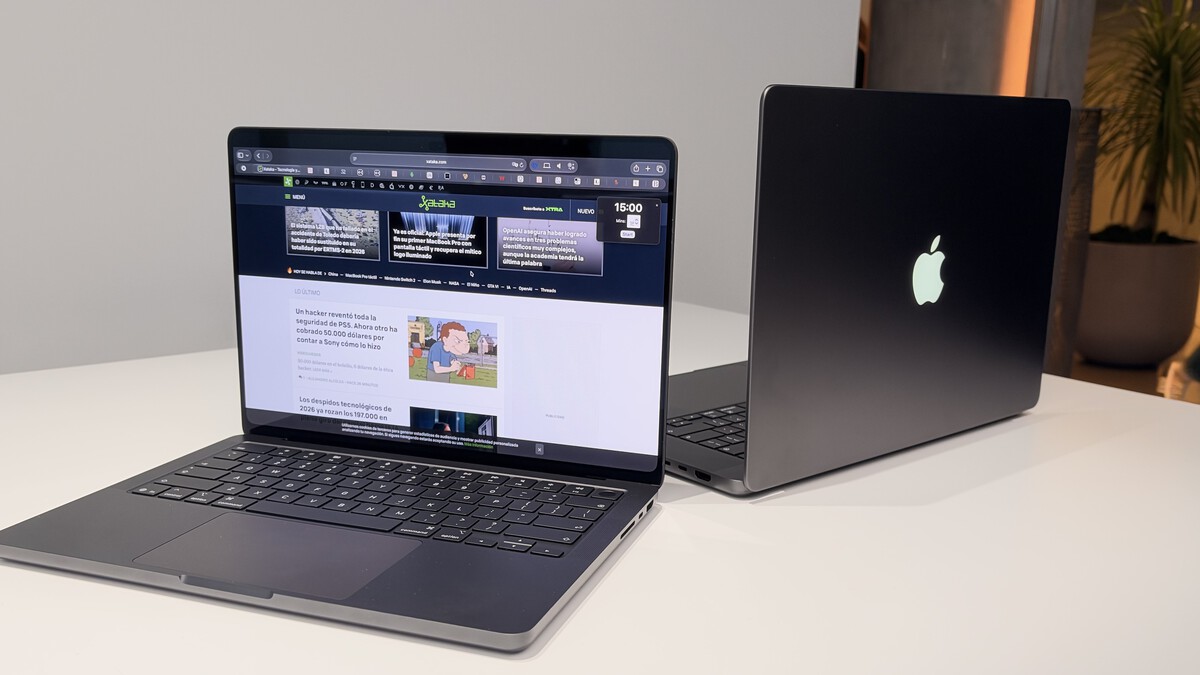
How Apple and OLED Technology Are Addressing Burn-In
Apple has not disclosed specific burn-in mitigation features for the PROLED XDR, but the industry has developed effective strategies. These include pixel shifting, which subtly moves static content to prevent overuse of specific pixels, and screen savers that activate quickly. Additionally, OLED materials have improved, with organic compounds becoming more durable and efficient.
Moreover, the PROLED XDR's peak brightness of up to 2,000 nits suggests advanced panel technology that may include better heat management and pixel compensation. While Apple hasn't detailed these, it's reasonable to expect that a premium device at this price point would incorporate robust safeguards.
Why Burn-In Shouldn't Be Your Primary Concern
Given the evolution of OLED technology, the risk of burn-in on a modern laptop is significantly lower than on early OLED TVs. Manufacturers have learned from past issues and implemented both hardware and software solutions. For most users, normal usage patterns—varying content and not leaving static images for hours—will not lead to burn-in.
Instead, potential buyers should consider factors like the high price (€3,349), the longevity of the battery, and whether the benefits of OLED (deep blacks, vibrant colors) justify the cost. Burn-in, while a possibility, is not a dealbreaker for the majority. The background to this story is set out in Apple's First Touchscreen MacBook Pro: OLED and Illuminated Logo Return. A related thread runs through Apple's Next Launch: Touchscreen MacBook and OLED iPad Mini. Earlier coverage in Technology: latest articles shows how the argument developed.
Key Takeaways for Prospective Buyers
- Burn-in risk is lower than ever due to improved OLED materials and mitigation techniques.
- Static content is the main culprit, so vary your screen content and enable screen savers.
- Apple's premium pricing likely includes advanced display management not publicly detailed.
- Consider your usage: if you frequently display static interfaces for hours, take precautions.
- Weigh the benefits: OLED offers superior image quality that may outweigh the minimal burn-in risk.
OLED vs. Traditional LCD: A Comparison
| Feature | OLED (PROLED XDR) | Traditional LCD |
|---|---|---|
| Contrast | Infinite (true blacks) | Limited by backlight |
| Brightness | Up to 2,000 nits | Typically 500-1000 nits |
| Burn-in Risk | Possible but mitigated | None |
| Response Time | Near-instant | Faster than older LCDs but slower than OLED |
| Price | Premium (€3,349) | Generally lower |
What to Watch Next
As the first OLED MacBook, the PROLED XDR will be closely watched for real-world burn-in reports. Apple may release software updates to further reduce risk. Potential buyers should monitor reviews and user experiences over the coming months. A closer look at the same subject appears in iPhone Duo Screen Cracks: What Apple's Foldable Issue Means. Anyone following the wider picture can start with Apple's Touchscreen MacBook Pro: The iPad's Decade-Long Identity Crisis. The same theme surfaces in MacBook Pro Touchscreen Costs €3,349 in Spain: €1,020 More Than Non-Touch, which takes a different angle.
Ultimately, while burn-in is a legitimate concern, it shouldn't overshadow the impressive display technology. With proper care, most users can enjoy the benefits without worry. Context on how this played out before sits in A rare look at Apple's device durability testing lab!.
FAQ
Is screen burn-in common on OLED laptops?
Burn-in is less common on modern OLED laptops due to improved materials and software mitigations. However, it can still occur with prolonged static content, so varying usage is recommended.
How can I prevent burn-in on my OLED MacBook?
Use screen savers, avoid displaying static images for long periods, and enable any built-in pixel refresh features. Apple may include specific settings in macOS for the PROLED XDR.
Does Apple cover burn-in under warranty?
Apple's warranty typically does not cover burn-in as it is considered normal wear and tear. However, AppleCare+ may offer additional protection; check the terms.
Is the OLED MacBook worth the high price?
For professionals and enthusiasts who value top-tier display quality, the OLED MacBook Pro PROLED XDR offers exceptional performance. The burn-in risk is minimal with proper use, making it a worthwhile investment for many.
Browse the Shop
 Acacia frida deluxe solid wood bed frame |
Bedroom bench |
Bed chest drawers |
Lingerie dresser |
Frame base |
Mirror with jewelry storage |
30 Bathroom Vanity |
Memory foam queen mattress |
Mattresses for back pain |
Nightstand set of 2 |
Grand Goldman Shop |
Civil Lawyer
Deutschland Trikot WM 2026







