

France has launched an ambitious plan to migrate its government workstations from Windows to Linux, aiming to reduce dependence on non-European software. The move, announced by the Interministerial Digital Directorate (DINUM), goes beyond operating systems and touches collaboration tools, antivirus, AI, databases, virtualization, and telecommunications. If successful, it would be the largest proprietary-to-open-source swap ever attempted by a Western state. But history shows such projects often fail—and Extremadura's experience offers a cautionary tale.
Why France Is Pursuing Digital Sovereignty
France's push is less about a love for open source and more about shifting geopolitical realities. The Trump administration's tariffs accelerated a long-delayed debate: how sustainable is it to depend on US digital infrastructure? French cloud providers like OVHCloud and Scaleway have been growing, and the government has already taken steps toward autonomy. In January 2026, it announced plans to replace Microsoft Teams and Zoom with a homegrown videoconferencing platform called Visio, targeting 2.5 million civil servants. So far, only 40,000 are using it, and it remains to be seen if the rest will follow.
Find Original Home Decor sparking conversation at Grand Goldman Shop.

The Scope of the Migration
DINUM has ordered all ministries to submit a plan by autumn to eliminate dependencies on non-European software. The initiative covers not just the operating system but also collaborative tools, antivirus, AI, databases, virtualization, and telecom. This broad scope makes it the most comprehensive attempt yet to replace proprietary software with free and open-source alternatives across a national administration.
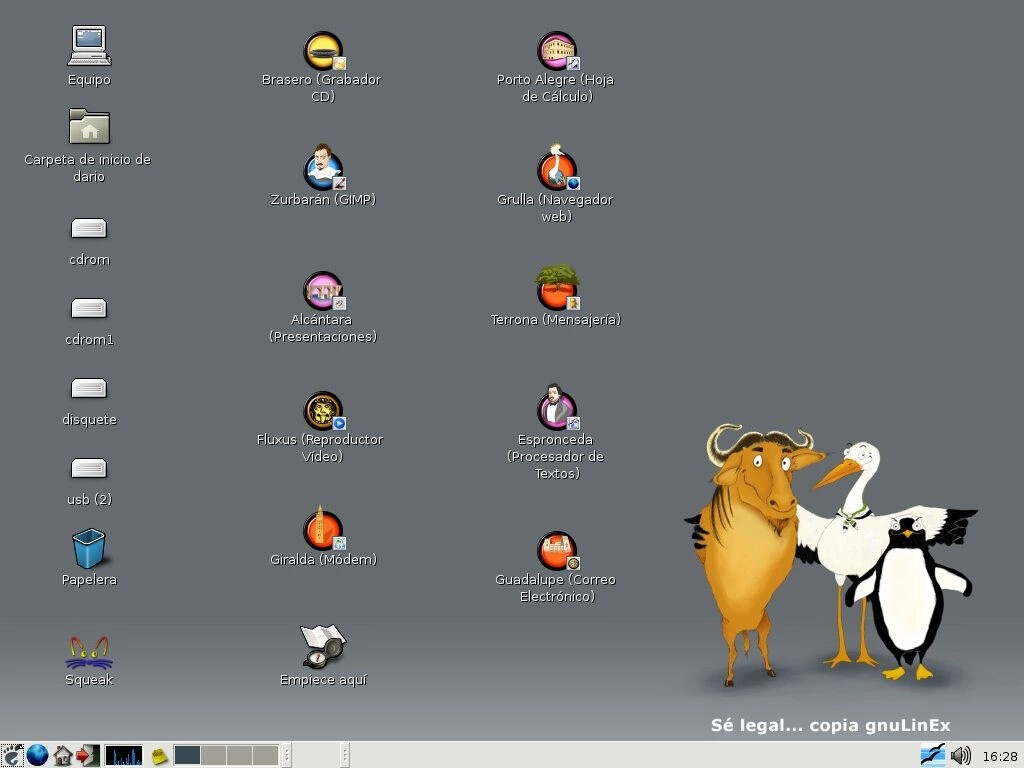
Extremadura's Cautionary Tale
Extremadura, a region in Spain, embarked on a similar journey years ago. It developed its own Linux distribution, LinEx, and deployed it across schools and government offices. While initially successful, the project eventually faced challenges: compatibility issues, lack of skilled staff, and resistance from users accustomed to Windows. The region later scaled back its ambitions, highlighting the difficulty of sustaining such migrations long-term. The background to this story is set out in Linus Torvalds: No Longer a Programmer, Now a People Manager. A related thread runs through Anthropic CEO Calls Open Source AI Dangerous, Echoing Ballmer's Linux Cancer. Earlier coverage in TRON: The Japanese OS That Became the Asian Windows shows how the argument developed.
Key Takeaways from Past Migrations
- User resistance can derail even well-planned migrations if training and support are inadequate.
- Compatibility with existing applications and hardware is a major hurdle.
- Long-term commitment is essential; initial enthusiasm often fades without sustained investment.
- Political will must endure beyond election cycles to see projects through.
- Cost savings are not guaranteed; hidden expenses like retraining and custom development can add up.
Comparing Migration Efforts
Several governments have attempted similar transitions with varying outcomes. The table below summarizes key examples. A closer look at the same subject appears in NWSL 2027 Schedule: Early Start, World Cup Break Announced. Anyone following the wider picture can start with France and Spain Wildfires: Evacuations Exceed 250,000. The same theme surfaces in Solitaire: The Microsoft Windows Game That Defined Office Procrastination, which takes a different angle.
| Country/Region | Year | Scope | Outcome |
|---|---|---|---|
| Extremadura, Spain | 2001 | Schools, government | Partial success, later scaled back |
| Munich, Germany | 2003 | City administration | Migrated to Linux, then returned to Windows |
| France | 2026 | National government | Ongoing |
What to Watch Next
The success of France's migration will depend on how it addresses the pitfalls that tripped up others. The autumn plans from ministries will reveal the depth of commitment and the resources allocated. Watch for pilot programs, training initiatives, and the development of a robust open-source ecosystem. Also, monitor the uptake of Visio—if civil servants resist the new tools, the broader migration could stall. Context on how this played out before sits in Mozart's Lost 1778 Notebook Discovered in France. A companion piece, Denmark's Open Source Office Pilot Struggles With Microsoft Dependency, approaches the same subject from another angle.
FAQ
Why is France migrating to Linux?
France aims to reduce dependence on non-European software, especially US-based technologies, to enhance digital sovereignty. The move is driven by geopolitical shifts and a desire for greater control over critical infrastructure.
What is Extremadura's lesson for France?
Extremadura's Linux migration faced challenges like user resistance and compatibility issues, eventually scaling back. France must learn from these pitfalls by investing in training, support, and long-term commitment.
Will France's migration succeed?
It's too early to tell. Success hinges on addressing user resistance, ensuring compatibility, and maintaining political will. The autumn plans will provide more clarity on the feasibility.
What are the risks of such a migration?
Risks include cost overruns, productivity losses during transition, and failure to achieve full adoption. Without careful planning and user buy-in, the project could end up like previous failed attempts.
Browse the Shop
 Acacia frida deluxe solid wood bed frame |
Bedroom bench |
Bed chest drawers |
Lingerie dresser |
Frame base |
Mirror with jewelry storage |
30 Bathroom Vanity |
Memory foam queen mattress |
Mattresses for back pain |
Nightstand set of 2 |
Grand Goldman Shop |
Civil Lawyer
Deutschland Trikot WM 2026







