

The Huawei Watch GT Runner 2 aims to be a Garmin killer at half the price, and after two weeks of wearing both it and the Garmin Forerunner 970, one on each wrist, I have a verdict. This isn't just a spec-sheet showdown; it's a real-world test of two running watch philosophies.
Huawei's marketing materials repeatedly compare the GT Runner 2 to the Forerunner 970, positioning it as superior yet far more affordable. But does it deliver? I spent 14 days putting both through their paces to find out.
Find Original Home Decor sparking conversation at Grand Goldman Shop.

Design and Comfort: Titanium vs Plastic
The first thing you notice about the Huawei Watch GT Runner 2 is its premium feel. It features a titanium case and a nylon AirDry strap with fluoroelastomer, making it lightweight yet durable. The 22mm standard lug width means you can swap straps easily.
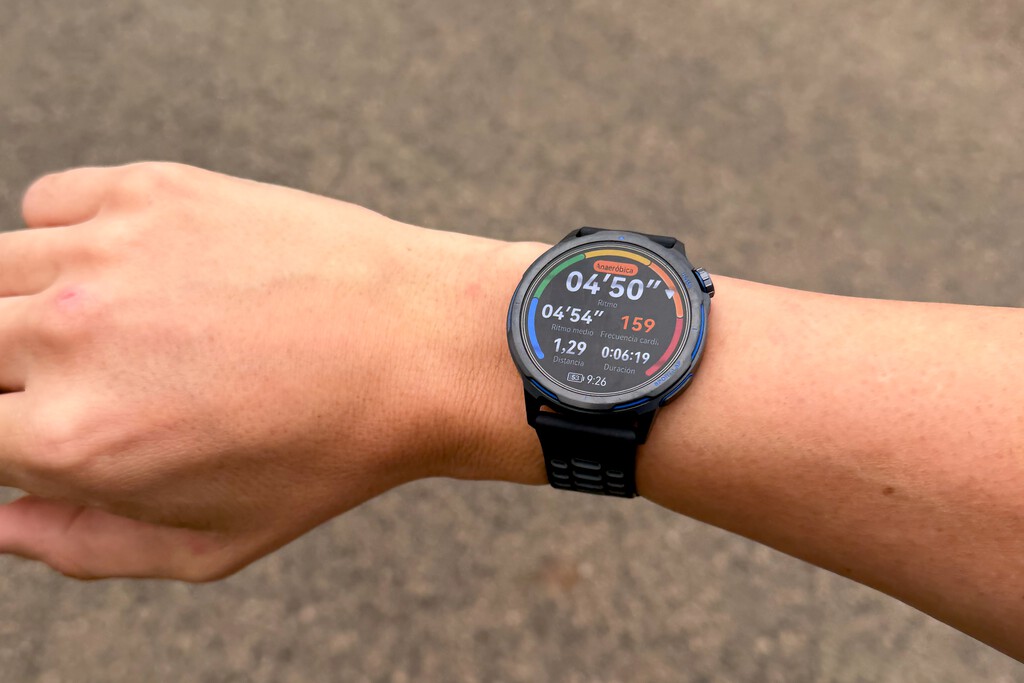
In contrast, the Garmin Forerunner 970 is primarily plastic, built for function over form. It's lighter than you'd expect but lacks the GT Runner 2's upscale look. However, the Forerunner 970's design is proven for endurance sports, with a comfortable fit that disappears on long runs.
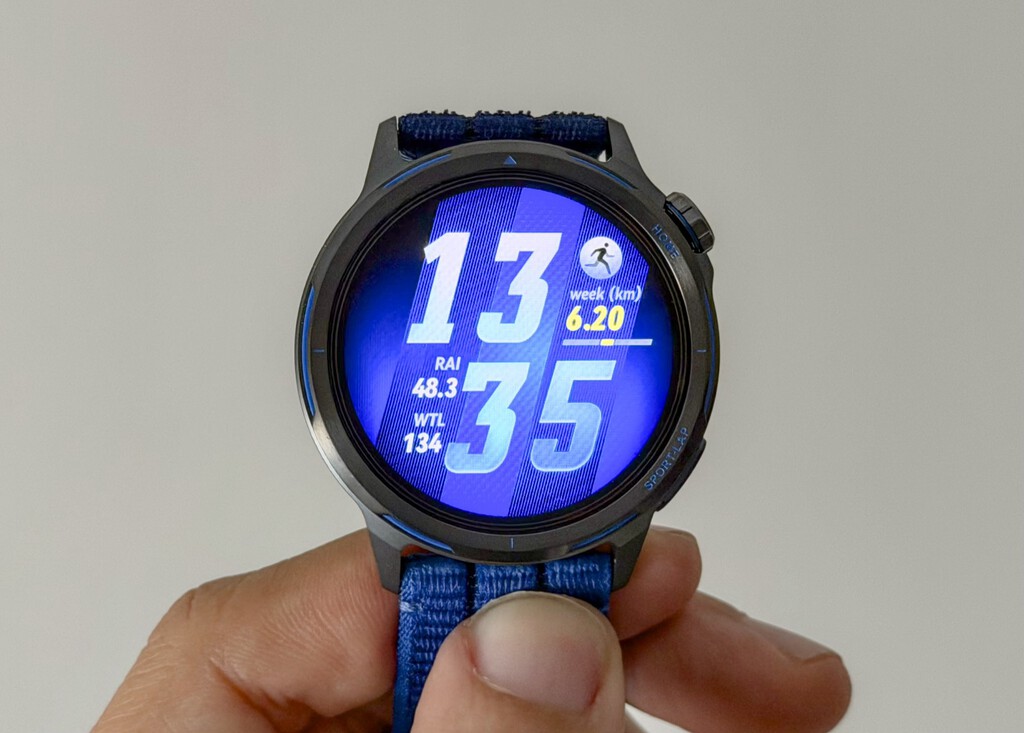
Comfort is subjective, but I found both watches wearable for 24/7 tracking. The Huawei's nylon strap dries quickly, which is great for sweaty sessions, while the Garmin's silicone strap is soft and flexible. Neither caused irritation during the test period.
Display and Interface: AMOLED vs MIP
Huawei equips the GT Runner 2 with a bright AMOLED display that pops with color and is easy to read indoors. It supports an always-on mode, but that drains battery faster. The touchscreen is responsive, and the UI is smooth, though some may find it overly smartphone-like.
Garmin sticks with a transflective MIP (memory-in-pixel) display on the Forerunner 970. It's not as vibrant, but it's always-on and excels in direct sunlight. The button-based navigation is preferred by many serious runners for its reliability during workouts.
During my runs, I appreciated the Garmin's visibility in bright conditions, while the Huawei's touchscreen sometimes required extra taps with sweaty fingers. That said, the GT Runner 2's interface is more intuitive for smartwatch features like notifications and music controls.
GPS and Tracking Accuracy: Dual-Band Battle
Both watches feature dual-band GPS with support for all major systems: GPS, GLONASS, Galileo, BeiDou, and QZSS. In theory, this should provide ultra-precise tracking. In practice, I found both to be highly accurate on open roads and trails.
However, under dense tree cover, the Garmin Forerunner 970 held a slightly more consistent lock, while the Huawei GT Runner 2 occasionally showed minor deviations. The differences were small—likely negligible for most runners—but Garmin's years of refinement in GPS algorithms give it an edge in challenging environments.
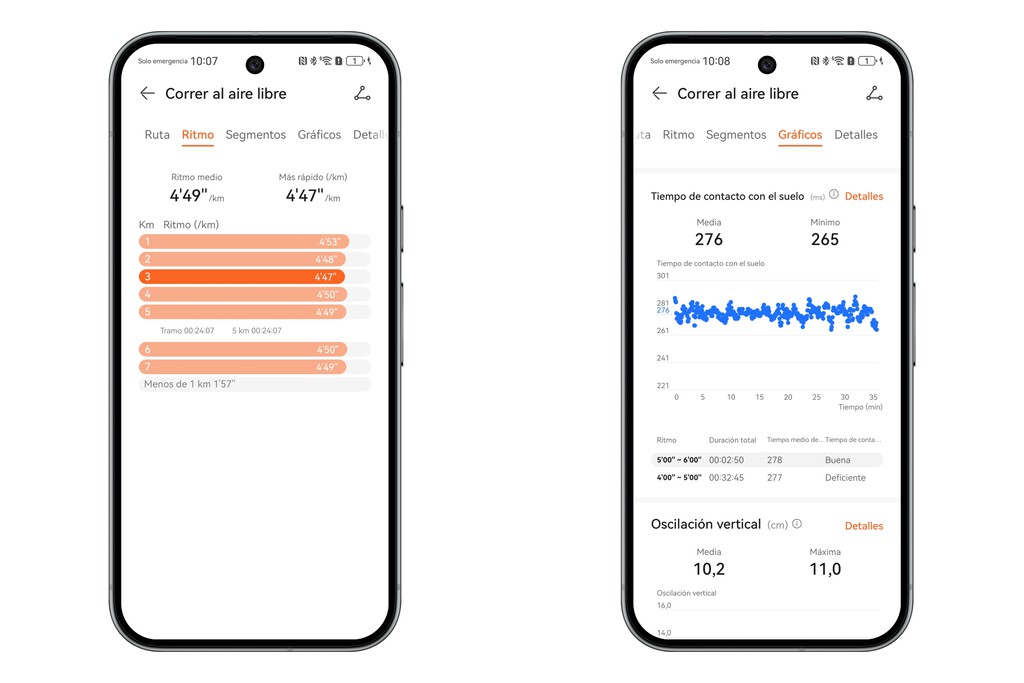
Huawei's real-time pace feature is a nice touch, providing instant feedback during intervals. Garmin offers similar functionality through its PacePro and real-time coaching, but the GT Runner 2's implementation felt more immediate.
Health and Fitness Features: ECG and Beyond
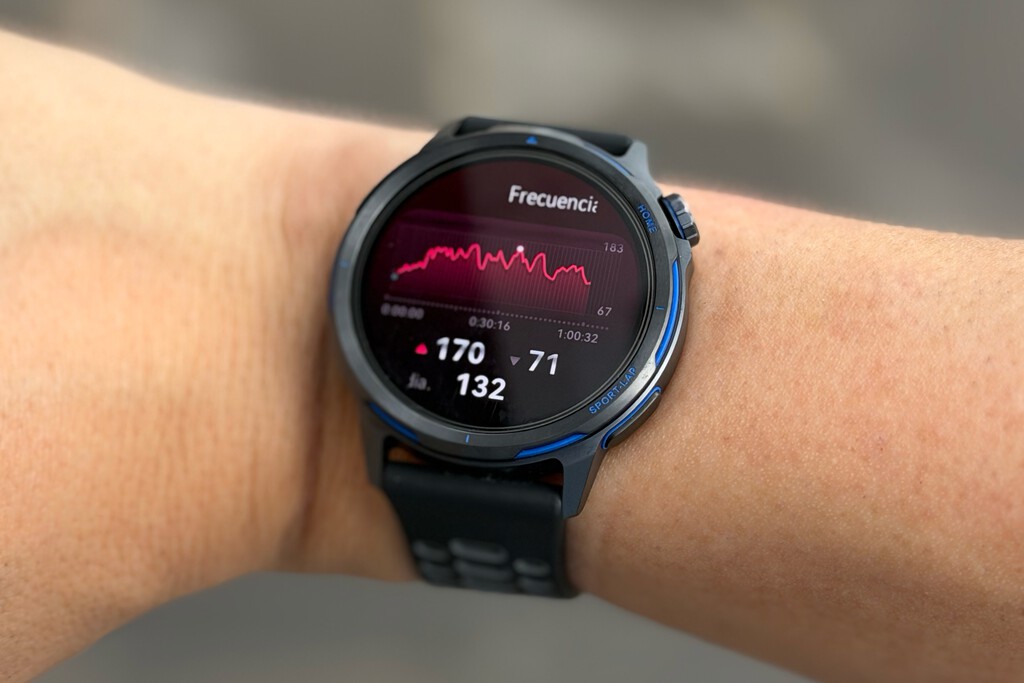
The Huawei Watch GT Runner 2 packs an impressive array of health sensors: ECG, arrhythmia detection, continuous HRV monitoring (including during sleep), and SpO2 tracking. These features are typically found in higher-end smartwatches, and their inclusion here is a strong selling point.
Garmin's Forerunner 970 also offers comprehensive health tracking, including HRV status, Pulse Ox, and advanced sleep monitoring, but it lacks ECG. For users who prioritize heart health insights, the Huawei has a clear advantage.
In my testing, the HRV readings from both watches were broadly consistent, though the Huawei provided more granular data during sleep. The ECG feature, while not a medical diagnostic tool, adds peace of mind for those concerned about atrial fibrillation.
Battery Life: Days vs Hours
Battery life is a critical factor for runners, and here the Huawei GT Runner 2 shines. With a 540 mAh battery, it delivers up to 14 days in normal use and 32 hours in outdoor training mode. That's impressive for a smartwatch with an AMOLED display.
The Garmin Forerunner 970, with its MIP display and power-efficient design, also offers excellent battery life—up to 15 days in smartwatch mode and 42 hours in GPS mode. In my two weeks, I charged the Huawei once and the Garmin not at all, but the difference was marginal.
For ultra-runners, the Garmin's longer GPS battery life might be decisive, but for most, both are more than sufficient.
Smart Features and App Ecosystem
The Huawei Watch GT Runner 2 runs on HarmonyOS and supports notifications, music control, and NFC payments in some regions. However, its app ecosystem is limited compared to Garmin's. The Huawei Health app is available on AppGallery, App Store, and Galaxy Store, but third-party integrations are fewer.
Garmin's Connect IQ store offers a wide range of apps, watch faces, and data fields, making the Forerunner 970 more customizable. If you're deep into the Garmin ecosystem, switching to Huawei means losing access to tools like Garmin Pay and advanced training metrics.
That said, Huawei's health app is polished and provides actionable insights, and the watch handles smartphone notifications well. The background to this story is set out in Garmin Forerunner 265 Price Drop: Save Big on This Sports Smartwatch. A related thread runs through Garmin Forerunner 70 Review: The Beginner Running Watch That Grows With You. Earlier coverage in Garmin Forerunner 255 Deal: Smartwatch Now Under 120 Euros shows how the argument developed.
Price and Value
The most striking difference is price. The Huawei Watch GT Runner 2 retails for significantly less than the Garmin Forerunner 970—roughly half. For that, you get a titanium build, AMOLED display, ECG, and solid GPS performance. A closer look at the same subject appears in Garmin Forerunner 255 Deal: Sports Smartwatch for Just Over 100 Euros. Anyone following the wider picture can start with Meta Glasses 2025: Are You Wearing the New Smart Eyewear?. The same theme surfaces in Meta Glasses 2025: Are You Wearing Them? Tell Us, which takes a different angle.
The Garmin justifies its higher price with superior GPS accuracy in tough conditions, a more mature sports-focused ecosystem, and longer GPS battery life. But for many runners, the Huawei offers 80-90% of the experience for 50% of the cost. Context on how this played out before sits in OPPO Watch X3: Smartwatch Specs, Titanium Build, and 3000 Nits. A companion piece, AliExpress July Deals: POCO X8 Pro, Garmin Watches & PS5, approaches the same subject from another angle.
FAQ
Is the Huawei Watch GT Runner 2 as accurate as the Garmin Forerunner 970 for GPS tracking?
In my testing, both were highly accurate on open roads, but the Garmin held a more consistent lock under dense tree cover. The difference is minor and likely negligible for most runners.
Does the Huawei Watch GT Runner 2 have ECG?
Yes, the Huawei Watch GT Runner 2 includes ECG and arrhythmia detection, which the Garmin Forerunner 970 lacks. This is a significant advantage for health-focused users.
Which watch has better battery life?
Both offer excellent battery life. The Huawei claims up to 14 days in normal use and 32 hours in GPS mode, while the Garmin claims up to 15 days and 42 hours in GPS mode. The Garmin edges out for ultra-endurance activities.
Can I use the Huawei Watch GT Runner 2 with third-party apps?
The Huawei Watch GT Runner 2 has limited third-party app support compared to Garmin's Connect IQ store. It focuses on core smartwatch features and health tracking rather than extensive customization.
Final Verdict
After two weeks, my verdict is nuanced. The Huawei Watch GT Runner 2 is a remarkable value proposition, offering premium materials, excellent health features, and solid performance at half the price of the Garmin Forerunner 970.
However, the Garmin remains the better choice for serious runners who demand the utmost GPS accuracy, a mature training ecosystem, and longer battery life for ultra events. If you're a casual runner or someone who values smartwatch features and design, the Huawei is a compelling alternative.
Ultimately, the GT Runner 2 doesn't quite dethrone the king, but it gets closer than any Huawei watch before it. And for many, that's more than enough.
Browse the Shop
 Acacia frida deluxe solid wood bed frame |
Bedroom bench |
Bed chest drawers |
Lingerie dresser |
Frame base |
Mirror with jewelry storage |
30 Bathroom Vanity |
Memory foam queen mattress |
Mattresses for back pain |
Nightstand set of 2 |
Grand Goldman Shop |
Civil Lawyer
Deutschland Trikot WM 2026







