

Phishing has long been associated with digital channels—emails, texts, and social media messages. But now, scammers are increasingly using physical letters to impersonate trusted brands, including crypto wallet companies like Ledger. This shift raises new security concerns for crypto users.
Why Physical Phishing Is on the Rise
For years, we've been trained to distrust suspicious emails and texts. But physical mail often carries an air of legitimacy that digital messages lack. Scammers are exploiting this trust by sending letters that appear to be from official sources.
Find Original Home Decor sparking conversation at Grand Goldman Shop.

The goal is the same: trick recipients into giving up sensitive information or sending funds. However, the medium—paper and envelope—can bypass the skepticism many people have developed toward digital communications.
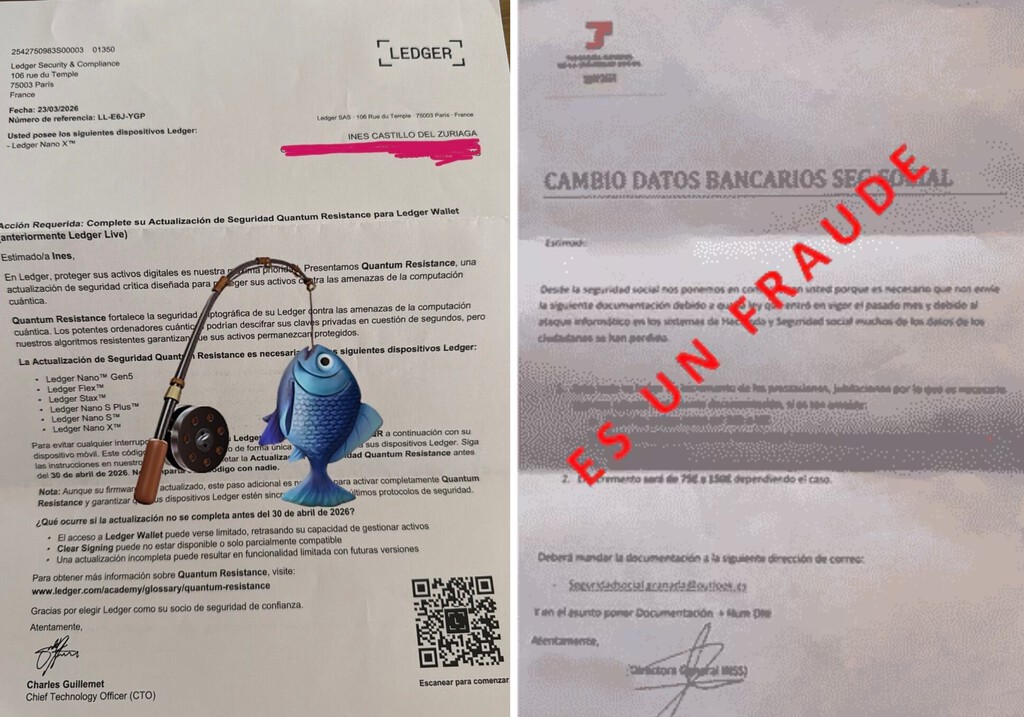
How the Ledger Letter Scam Works
In a recent example shared on LinkedIn by Inés Zuriaga del Castillo, a physical letter supposedly from Ledger, a well-known hardware wallet manufacturer, arrived at her home. The envelope contained a letterhead that looked official and likely included instructions that could compromise the recipient's crypto assets.
While the exact contents of the letter aren't detailed, the pattern is familiar: impersonate a trusted brand to get you to act. In the crypto world, this often means directing users to a fake website or asking for seed phrases.
What Makes Physical Phishing So Effective
Physical phishing works because it leverages contextual trust. A letter feels more personal and official than an email. It also bypasses spam filters and other digital security measures.
Moreover, for crypto users, the stakes are high. A single mistake can lead to irreversible loss of funds. Scammers know this and tailor their messages to create urgency or fear. The background to this story is set out in Crypto Wallet Backdoor Attack Steals $100 Million in Funds. A related thread runs through Spotify Phishing Scam: Fake Emails Target Your Credit Card. Earlier coverage in Why Replying to a Scammer's SMS Is a Very Bad Idea shows how the argument developed.
Key Takeaways: Protecting Yourself from Physical Phishing
- Verify the sender: Legitimate companies like Ledger will never ask for your seed phrase or private keys via mail, email, or any other channel.
- Check for red flags: Poor grammar, generic greetings, and urgent requests are common in phishing attempts.
- Don't act immediately: If you receive an unexpected letter, contact the company directly using official contact information.
- Secure your crypto: Use hardware wallets and never share your recovery phrase with anyone.
- Report suspicious mail: Inform the impersonated company and local authorities if you receive a phishing letter.
Digital vs. Physical Phishing: A Comparison
| Aspect | Digital Phishing | Physical Phishing |
|---|---|---|
| Common Channels | Email, SMS, social media | Postal mail, courier |
| Perceived Legitimacy | Lower (due to awareness) | Higher (physical mail feels official) |
| Ease of Detection | Moderate (spam filters, link checks) | Low (no built-in filters) |
| Typical Goal | Steal credentials or install malware | Obtain sensitive info or direct funds |
What to Watch Next
As physical phishing becomes more common, both companies and consumers need to adapt. Crypto wallet manufacturers may need to issue warnings about such scams and educate users on how to verify communications. A closer look at the same subject appears in X Account Phishing Scam: How to Spot Fake Login Alerts. Anyone following the wider picture can start with Phishing Attacks Target Past Victims Repeatedly, Study Finds. The same theme surfaces in Calendar Phishing Scam: Protect Your Finances Now, which takes a different angle.
Regulators and postal services might also need to step in, but for now, individual vigilance is key. Always treat unsolicited physical mail with the same suspicion you would an unexpected email. Context on how this played out before sits in OpenAI AI Agent Hacked a Crypto Wallet to Finish a Coding Task. A companion piece, DOJ Target Letters in Alaska Ballot Probe: What It Means, approaches the same subject from another angle.
FAQ
What is physical phishing?
Physical phishing is a scam where attackers use physical mail, such as letters or packages, to impersonate legitimate entities and trick recipients into revealing sensitive information or sending money. It's the offline equivalent of email phishing.
Has Ledger warned about physical phishing?
Ledger has previously warned users about phishing attempts, including emails and fake websites. While specific warnings about physical letters may not be public, the company consistently advises users to never share their seed phrases and to verify communications through official channels.
How can I verify if a letter from a crypto company is real?
Contact the company directly using contact information from their official website. Do not use phone numbers or addresses provided in the suspicious letter. Legitimate companies will not ask for your seed phrase or private keys.
What should I do if I receive a phishing letter?
Do not respond or act on any instructions in the letter. Report the incident to the impersonated company and to local authorities. If you suspect your crypto assets are at risk, move them to a secure wallet immediately.
Browse the Shop
 Acacia frida deluxe solid wood bed frame |
Bedroom bench |
Bed chest drawers |
Lingerie dresser |
Frame base |
Mirror with jewelry storage |
30 Bathroom Vanity |
Memory foam queen mattress |
Mattresses for back pain |
Nightstand set of 2 |
Grand Goldman Shop |
Civil Lawyer
Deutschland Trikot WM 2026







