

Spotify is finally taking steps to address the flood of AI-generated music on its platform, but critics argue it's not enough. The streaming giant recently began adding verification badges for real artists, a move that comes as AI-created tracks generate millions of dollars in royalties while diluting payouts for human musicians. With over 75 million AI tracks removed in the past year and rivals like Apple Music reporting that more than a third of new uploads are AI-generated, the pressure is on for Spotify to give users a way to filter out synthetic music.
Why AI Music Is a Growing Threat to Real Artists
The rise of generative AI has made it easier than ever to produce music that sounds indistinguishable from human-made tracks. According to Deezer, 44% of the total daily music delivery on its platform is AI-created, and 97% of users cannot tell the difference between AI and real music. This flood of content not only saturates playlists but also siphons royalty pools away from legitimate artists.
Find Original Home Decor sparking conversation at Grand Goldman Shop.

Spotify's current system pays out based on streams, so AI tracks that get added to popular playlists can earn significant revenue. This creates an unfair advantage for those who can mass-produce songs with AI, while genuine musicians struggle to get noticed.
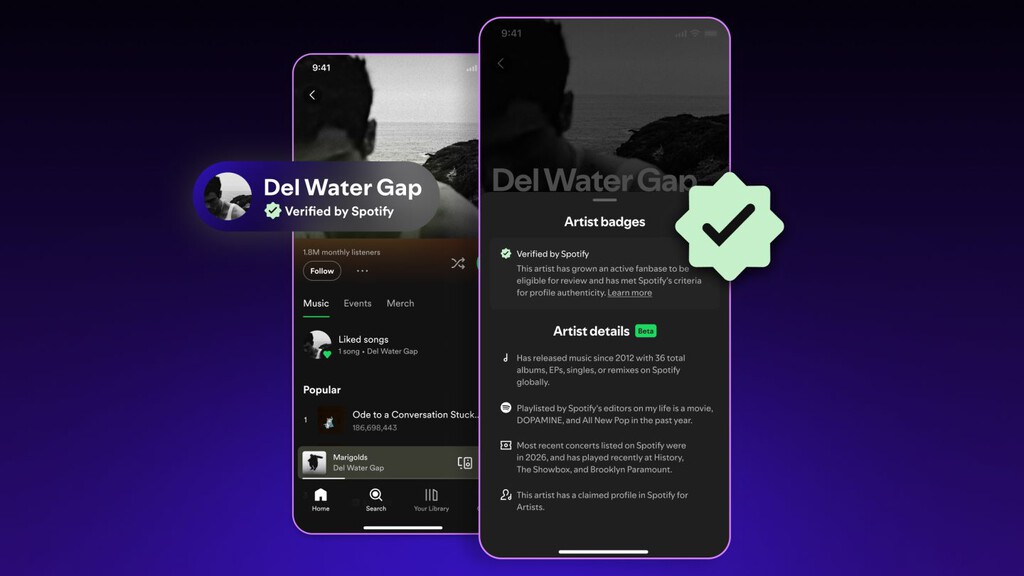
Spotify's Verification Badge: A Step in the Right Direction?
Spotify's new verification badges are designed to help listeners identify authentic artists. The platform says it will review artist profiles based on recent concerts, social media activity, fan engagement, and profile behavior to determine if an artist is real. Profiles that primarily generate music via AI will not be eligible for verification.
However, this method is far from foolproof. It relies on external signals that can be gamed or may unfairly exclude emerging artists who haven't yet built a strong online presence. Moreover, it doesn't give users a direct way to filter out AI music from their recommendations.
How Spotify's Approach Compares to Deezer's
Spotify's strategy contrasts sharply with that of Deezer, which has taken a more aggressive stance. Deezer actively detects and tags AI-generated music, and it has reportedly removed tens of millions of such tracks. While Spotify focuses on verifying real artists, Deezer's approach directly addresses the supply side by identifying and labeling AI content.
Both approaches have merits, but neither fully solves the problem. Verification helps listeners trust certain profiles, while detection and labeling give transparency. A combination of both—plus a user-controlled filter—would likely be most effective.
What a Filter Button Would Mean for Listeners
A filter button would empower users to choose whether they want to include AI-generated music in their listening experience. For many, music is about human expression and connection, and they may prefer to exclude AI tracks entirely. Others might be curious about AI music and want to explore it. Giving users the choice respects their preferences and puts pressure on Spotify to accurately label AI content.
Such a feature would also incentivize transparency from uploaders. If AI tracks are clearly marked, listeners can make informed decisions, and real artists can compete on a level playing field.
The Challenges of Implementing an AI Filter
Detecting AI-generated music is technically challenging. AI models are constantly improving, and distinguishing between human and AI compositions can be difficult even for experts. Spotify would need to invest in robust detection tools, possibly using AI itself to analyze patterns in the audio.
There are also concerns about false positives—labeling real music as AI—which could harm artists' reputations. Any filter system would need to be carefully calibrated and transparent about its limitations. The background to this story is set out in Spotify's AI Listener Problem: Synthetic Artists Take Over Charts. A related thread runs through Spotify AI Artist Labeling Blocks Deepfakes from Playlists. Earlier coverage in Spotify Outage: Streaming Giant Down, Then Back Online shows how the argument developed.
What's Next for Spotify and AI Music?
Spotify has not announced plans for a user-facing filter, but the conversation is growing. As AI music continues to proliferate, the platform will face increasing pressure from artists, labels, and users to take action. The verification badge is a start, but it may not be enough to restore trust and fairness in the ecosystem. A closer look at the same subject appears in Spotify Outage: Streaming Service Down for Hours, Now Restored. Anyone following the wider picture can start with Spotify Embraces AI Music as a Business Opportunity. The same theme surfaces in Spotify Removes 50M AI Songs as Fans Reject AI Music, which takes a different angle.
Ultimately, the solution will likely involve a combination of verification, detection, labeling, and user controls. Spotify has the resources to lead in this area, but it must balance innovation with the interests of its creator community. Context on how this played out before sits in Spotify Audiobooks Spain: Non-Exclusive Strategy Redefines Streaming. A companion piece, Grouper's Liz Harris on Music Industry Fears and Streaming Scams, approaches the same subject from another angle.
FAQ
What is Spotify doing about AI-generated music?
Spotify is adding verification badges for real artists and removing AI tracks that violate its policies. However, it does not yet offer a user-facing filter for AI music.
Can I filter out AI music on Spotify?
Currently, Spotify does not provide a filter to exclude AI-generated music. Users must rely on playlists and recommendations, which may include AI tracks.
How does Deezer handle AI music differently?
Deezer actively detects and tags AI-generated music and has removed millions of such tracks. It also reports that 44% of daily uploads are AI-created.
Will Spotify add a filter button for AI music?
Spotify has not announced plans for a filter button, but as AI music grows, user demand for such a feature may force the company to reconsider.
Browse the Shop
 Acacia frida deluxe solid wood bed frame |
Bedroom bench |
Bed chest drawers |
Lingerie dresser |
Frame base |
Mirror with jewelry storage |
30 Bathroom Vanity |
Memory foam queen mattress |
Mattresses for back pain |
Nightstand set of 2 |
Grand Goldman Shop |
Civil Lawyer
Deutschland Trikot WM 2026







