

Alcohol-free beer that gets you tipsy is no longer a far-fetched idea—it's the next big race in the beverage industry. As demand for traditional alcohol declines and younger generations seek healthier alternatives, a British lab is pioneering a new category of drinks that promise the euphoria of alcohol without the downsides.
The concept is simple yet revolutionary: beverages that contain zero alcohol but can still deliver the social lubricant effect people crave. This could disrupt the booming non-alcoholic sector and offer a solution for those who want to avoid hangovers, health risks, and addiction.
Find Original Home Decor sparking conversation at Grand Goldman Shop.

The Shifting Landscape of Alcohol Consumption
The alcohol industry is facing a perfect storm. Demand in key markets is falling, generational habits are changing, and more consumers are reaching for alcohol-free options. According to industry reports, sales of non-alcoholic beer, wine, and spirits have surged in recent years, driven by health-conscious millennials and Gen Z.
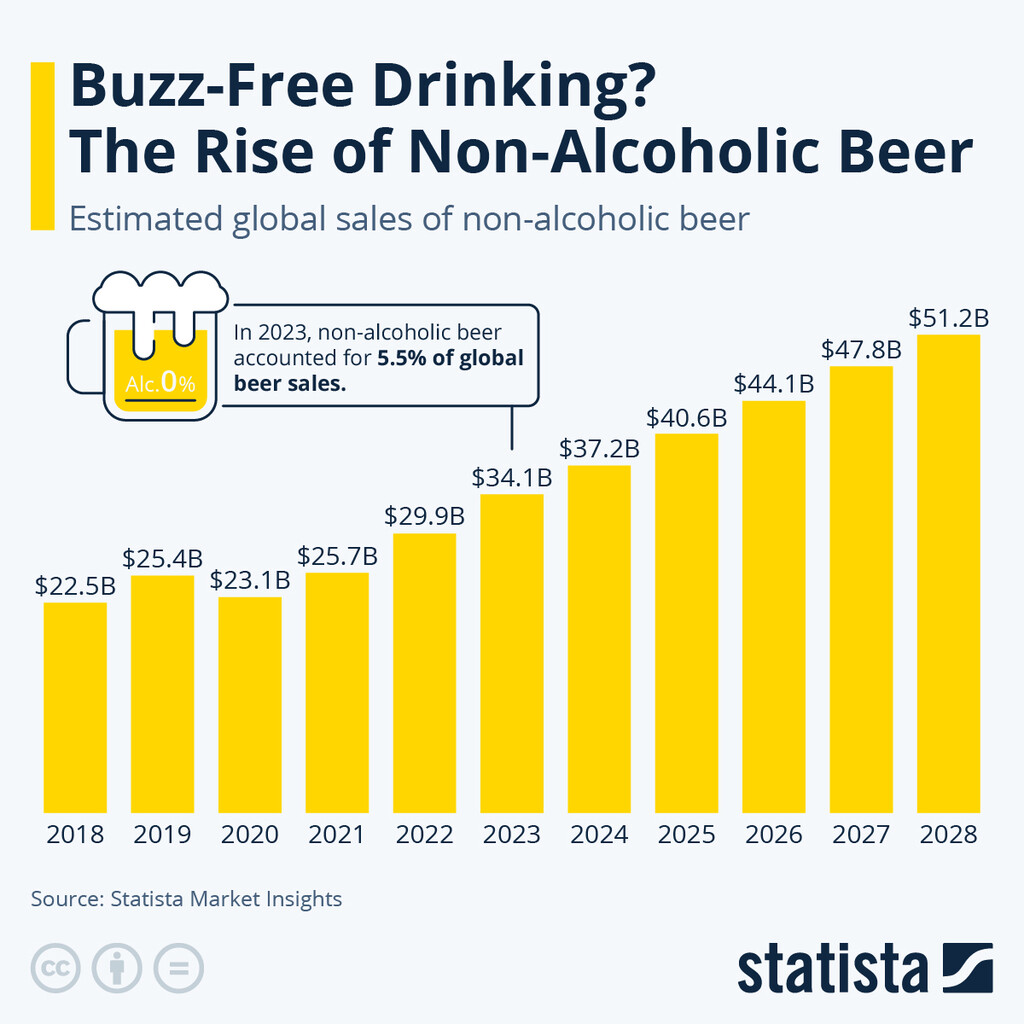
But current alcohol-free products often fall short. They lack the buzz that makes social drinking appealing. That's where the new race comes in—creating a drink that mimics the feeling of intoxication without the ethanol.
The Science Behind Synthetic Alcohol
At the forefront of this movement is David Nutt, a renowned neuropsychopharmacologist who has spent decades studying how drugs affect the brain. Nutt's work focuses on finding molecules that can activate the same pleasure centers as alcohol but without the toxic effects.
His research suggests that it's possible to isolate the desirable effects of alcohol—relaxation, euphoria, disinhibition—and leave behind the negative ones like impaired motor skills, memory loss, and addiction potential. The goal is to create a beverage that feels like alcohol but is essentially harmless.
How It Works
The approach involves designing compounds that bind to GABA receptors, the same targets alcohol affects, but in a more controlled way. These compounds could be added to beer, spirits, or other drinks to produce a mild buzz without the alcohol content.
While still in early stages, the concept has attracted significant interest from investors and beverage companies looking to capitalize on the sober-curious trend.
Key Players and Market Potential
David Nutt is not alone in this quest. Several startups and research groups are exploring similar ideas. For instance, companies like GABA Labs (founded by Nutt) are developing synthetic alcohol alternatives. Others are experimenting with botanicals and nootropics to create functional beverages that enhance mood without ethanol.
The market potential is enormous. The global non-alcoholic beverage market is valued at over $1 trillion, and the no-alcohol beer segment alone is projected to grow significantly. If a product can deliver the social experience of drinking without the health risks, it could capture a large share of both the traditional and non-alcoholic markets.
- Health-conscious consumers are driving demand for alcohol-free options.
- Generational shifts show younger people drinking less alcohol.
- Technological advances make synthetic alcohol feasible.
- Regulatory hurdles remain a challenge for new ingredients.
- Market potential is huge, with major beverage companies watching closely.
Challenges and Ethical Considerations
Despite the promise, creating an alcohol-free drink that gets you tipsy raises several questions. Regulatory agencies will need to evaluate the safety and labeling of new compounds. There's also the risk of misuse—could these drinks become a gateway to other substances? Context on how this played out before sits in Alcohol-Free Beer That Gets You Tipsy: The New Industry Race. A companion piece, Beer Brands Target Youth with Skincare-Infused Drinks, approaches the same subject from another angle.
Moreover, the idea of a "safe" buzz might encourage drinking in situations where sobriety is expected, such as driving. Manufacturers will need to be transparent about effects and ensure responsible marketing. The background to this story is set out in Grown-Up Soft Drinks: The Rise of Adult Non-Alcoholic Beverages. A related thread runs through UK Alcohol-Free Beer Boom at Risk from Definition Rules.
What It Means for the Industry
If successful, synthetic alcohol could disrupt the entire beverage landscape. Traditional breweries and distilleries may need to adapt or invest in this new technology. Meanwhile, bars and restaurants could offer a wider range of options for designated drivers and health-conscious patrons. Earlier coverage in Trending: latest articles shows how the argument developed. A closer look at the same subject appears in Sports Betting's Infinite Growth: The Rise of Synthetic Matches.
The race is on, and the winner could redefine how we socialize. Anyone following the wider picture can start with South America Sees European Tourist Boom Amid Iran War. The same theme surfaces in Anthropic's 15 Free Claude Courses With Official Certification, which takes a different angle.
Comparison of Beverage Types
| Type | Alcohol Content | Effects | Calories (per 12 oz) |
|---|---|---|---|
| Regular Beer | ~5% ABV | Intoxication, hangover | ~150 |
| Non-Alcoholic Beer | 0.0% ABV | No intoxication | ~50-100 |
| Synthetic Alcohol Beer | 0.0% ABV | Mild euphoria, no hangover | Varies |
FAQ
What is alcohol-free beer that gets you tipsy?
It's a beverage that contains no alcohol but uses synthetic compounds or botanicals to mimic the feeling of intoxication, providing relaxation and euphoria without the negative effects.
Who is David Nutt?
David Nutt is a British neuropsychopharmacologist and former government advisor who has researched alcohol alternatives for years. He founded GABA Labs to develop synthetic alcohol.
Is synthetic alcohol safe?
While still in development, the goal is to create a safer alternative to alcohol by avoiding ethanol's toxic effects. However, regulatory approval and long-term studies are needed.
When will these drinks be available?
Some products are in early stages, but widespread availability depends on regulatory approvals and market readiness. It could be several years before they hit mainstream shelves.
The pursuit of alcohol-free beer that gets you tipsy is more than a scientific curiosity—it's a response to changing consumer behaviors and a potential goldmine for the beverage industry. As the race accelerates, we can expect to see innovative products that challenge our traditional understanding of drinking.
Browse the Shop
 Acacia frida deluxe solid wood bed frame |
Bedroom bench |
Bed chest drawers |
Lingerie dresser |
Frame base |
Mirror with jewelry storage |
30 Bathroom Vanity |
Memory foam queen mattress |
Mattresses for back pain |
Nightstand set of 2 |
Grand Goldman Shop |
Civil Lawyer
Deutschland Trikot WM 2026







