

Cat care is often misunderstood as a low-maintenance alternative to dog ownership, but feline educator Noelia Hernández sets the record straight. Many people adopt cats believing they require less work than dogs, only to discover that cats have complex needs that demand just as much attention and commitment.
Hernández, who works with Código Felino, has encountered numerous cases where owners underestimated the effort required to keep a cat healthy and happy. The misconception that cats are independent and easygoing leads to inadequate care and behavioral problems.
Find Original Home Decor sparking conversation at Grand Goldman Shop.

The Myth of the Low-Maintenance Cat
It's a common scenario: someone wants a pet but fears the commitment of a dog, so they choose a cat thinking it will be simpler. Cats are often portrayed as aloof and self-sufficient, needing only food, water, and a litter box. This stereotype couldn't be further from the truth.
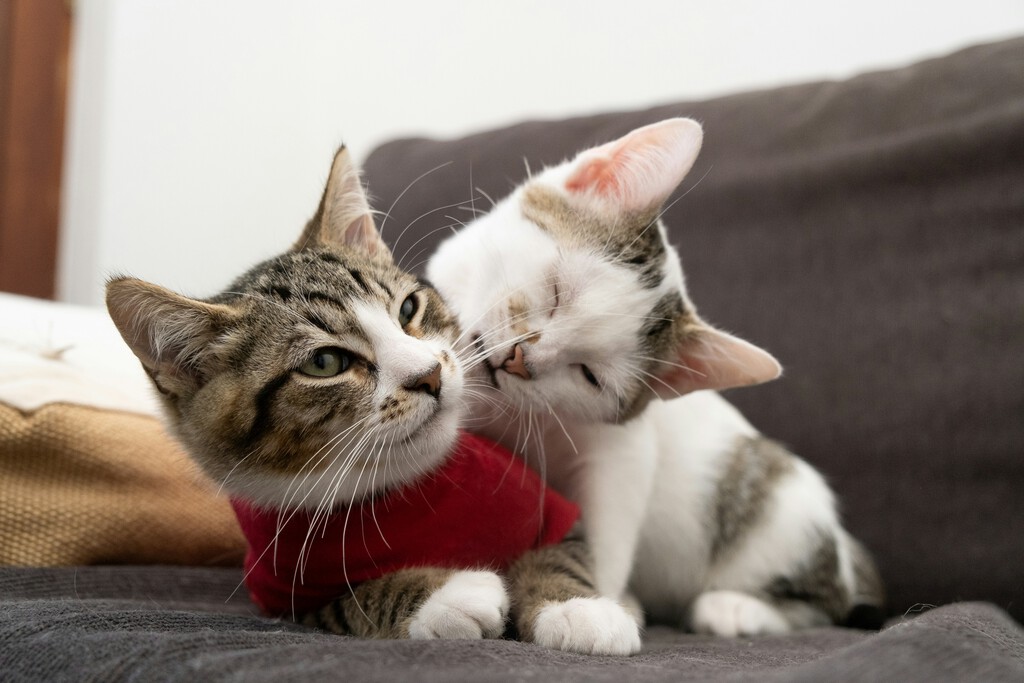
Hernández explains that while cats don't need walks, they still require mental stimulation, play, and social interaction. "Many people admit they fell into the trap of thinking a cat was easier than a dog because it required less work. Not at all. It's different work," she says.
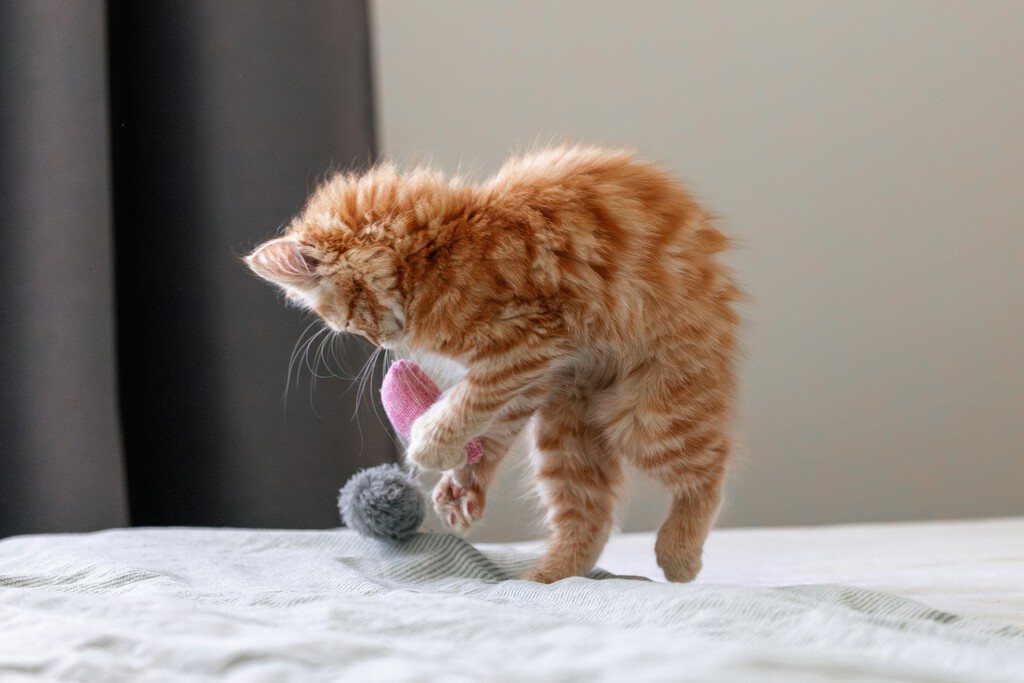
The quality of life you provide your cat depends on understanding its needs. Simply meeting basic physical requirements is not enough for a healthy, well-adjusted feline.
What Cats Really Need for a Healthy Life
Cats have evolved as both predators and prey, which shapes their behavior and needs. They require an environment that allows them to express natural instincts, such as hunting, climbing, and scratching. Without appropriate outlets, cats can become stressed, anxious, or destructive.
Key needs include:
- Play and stimulation: Interactive play mimics hunting and provides physical and mental exercise.
- Environmental enrichment: Scratching posts, climbing trees, and puzzle feeders keep cats engaged.
- Social interaction: Cats are not solitary; they need positive human interaction and, in many cases, companionship.
- Routine veterinary care: Regular check-ups and preventive care are essential for long-term health.
- Safe spaces: Cats need places to retreat and feel secure, especially in busy households.
Neglecting these needs can lead to behavioral issues such as aggression, withdrawal, or inappropriate elimination. Hernández notes that many owners seek professional help only after problems arise, often due to a lack of understanding of feline requirements.
The Cost of Misunderstanding Feline Needs
When cats don't receive adequate stimulation and care, the consequences affect both the cat and the owner. Behavioral problems can strain the human-animal bond and sometimes lead to relinquishment. Hernández has seen many cases where owners were unprepared for the reality of cat ownership.
"A lot of people come to me admitting they thought a cat would be easier than a dog because it required less work. And that's not true. It's different work," she reiterates. The work may not involve daily walks, but it does involve daily play, enrichment, and attention to the cat's emotional well-being.
Understanding this difference is crucial for anyone considering cat adoption. It's not about which species is easier, but about recognizing that each has unique needs that must be met.
How to Meet Your Cat's Needs
Providing proper care for a cat starts with education. Hernández recommends that prospective and current owners learn about feline behavior and environmental needs. Resources such as books, veterinary advice, and professional behaviorists can help.
Creating an enriching environment doesn't have to be expensive or time-consuming, but it does require consistency. Simple changes like scheduled play sessions, food puzzles, and vertical space can make a significant difference. Regular veterinary check-ups ensure that health issues are caught early.
The key is to move away from the idea of cats as low-maintenance and embrace the reality that they are complex creatures with specific requirements. This shift in perspective can lead to a more fulfilling relationship for both cat and owner.
Comparing Cat and Dog Care
While cats and dogs have different needs, both require a significant commitment. The table below highlights some key differences and similarities in their care requirements.
| Aspect | Cats | Dogs |
|---|---|---|
| Daily exercise | Interactive play sessions (e.g., 15-20 minutes, twice daily) | Walks or runs multiple times a day |
| Social interaction | Needs daily positive interaction; may enjoy companionship of other pets | Highly social; often needs constant companionship |
| Environmental enrichment | Scratching posts, climbing structures, puzzle toys | Chew toys, training games, varied walks |
| Grooming | Self-grooming but requires brushing and nail care | Regular brushing and baths for some breeds |
| Veterinary care | Annual check-ups, vaccinations, dental care | Annual check-ups, vaccinations, dental care, parasite prevention |
Both species demand time, attention, and financial commitment. The difference lies in the type of care, not the amount.
Expert Advice for Cat Owners
Hernández emphasizes that education is the first step. Understanding that cats are not low-maintenance pets can prevent many problems. She advises owners to seek help at the first sign of behavioral issues rather than waiting until the situation becomes unbearable. The background to this story is set out in Cat Owners Share Stories Of Little Things Their Cats Do To Show How Much They Care. A related thread runs through 16 Pics That Debunk The Myth About Cats And Dogs Being Enemies. Earlier coverage in Best Dog Enrichment Toys and Tips in the US for Bored Dogs shows how the argument developed.
Professional feline educators and behaviorists can provide tailored advice and help owners create an environment that meets their cat's needs. This proactive approach can save time, money, and heartache in the long run. A closer look at the same subject appears in Cat Litter Box Cleaning: Expert Tips for Proper Care. Anyone following the wider picture can start with Wife Refuses To Take Care Of Husband’s 4 Cats While He’s Away For 3 Years For Work, Asks If She’s Being Unfair. The same theme surfaces in Are All-Inclusive Resorts Boring? Myths & Misconceptions, which takes a different angle.
In the end, the message is clear: cats deserve the same level of commitment and care as dogs, just in a different form. Recognizing this is the key to a happy, healthy life for both cat and owner. Context on how this played out before sits in 50 Uplifting Cat Posts That Show How Caring And Wholesome Cats Are. A companion piece, These Cat Sisters Are Raising Each Other’s Kittens & Taking Care Of Their Big Family, approaches the same subject from another angle.
FAQ
Are cats really low-maintenance pets?
No, cats are not low-maintenance. While they don't need walks, they require daily play, environmental enrichment, and social interaction to thrive. Misunderstanding their needs can lead to behavioral problems.
What are the basic needs of a cat?
Cats need proper nutrition, fresh water, a clean litter box, daily interactive play, scratching outlets, safe spaces, and regular veterinary care. They also need mental stimulation and social contact.
Why do people think cats are easier than dogs?
The stereotype of cats as independent and aloof leads to the misconception that they require less work. In reality, cats have complex needs that demand time and attention, just in different ways than dogs.
What happens if a cat's needs aren't met?
Cats may develop behavioral issues such as aggression, anxiety, or inappropriate elimination. These problems can strain the bond with the owner and sometimes lead to relinquishment. Professional help can address these issues.
Browse the Shop
 Acacia frida deluxe solid wood bed frame |
Bedroom bench |
Bed chest drawers |
Lingerie dresser |
Frame base |
Mirror with jewelry storage |
30 Bathroom Vanity |
Memory foam queen mattress |
Mattresses for back pain |
Nightstand set of 2 |
Grand Goldman Shop |
Civil Lawyer
Deutschland Trikot WM 2026







