

Cato the Elder, one of the most feared politicians of the Roman Republic, declared an all-out war on luxury. He famously imposed a staggering 1,000% tax on luxury goods to defend what he saw as traditional Roman values. His story reveals how far one man would go to protect the identity of Rome.
In Ancient Rome, a man drank water during his campaigns against the Carthaginians when he could have drunk the finest wine. He walked barefoot though he could have worn the best sandals in Rome. When someone offered him silver or ivory to decorate his house, he rejected it with contempt. That man, austere by conviction rather than economic hardship, became one of the most powerful politicians of the Republic. His name was Marcus Porcius Cato, though history remembers him as Cato the Elder.
Find Original, High-end Home Decor that spark conversation at Grand Goldman Shop.
Who Was Cato the Elder?
Cato was born in Tusculum (modern-day province of Rome) in 234 BC. He came into the world in a plebeian family, far from the opulence of the patrician families that ruled Rome. He was what the Romans called a homo novus: someone without illustrious ancestors who had achieved social or political relevance. Today he would be the equivalent of what we know as a "self-made person."
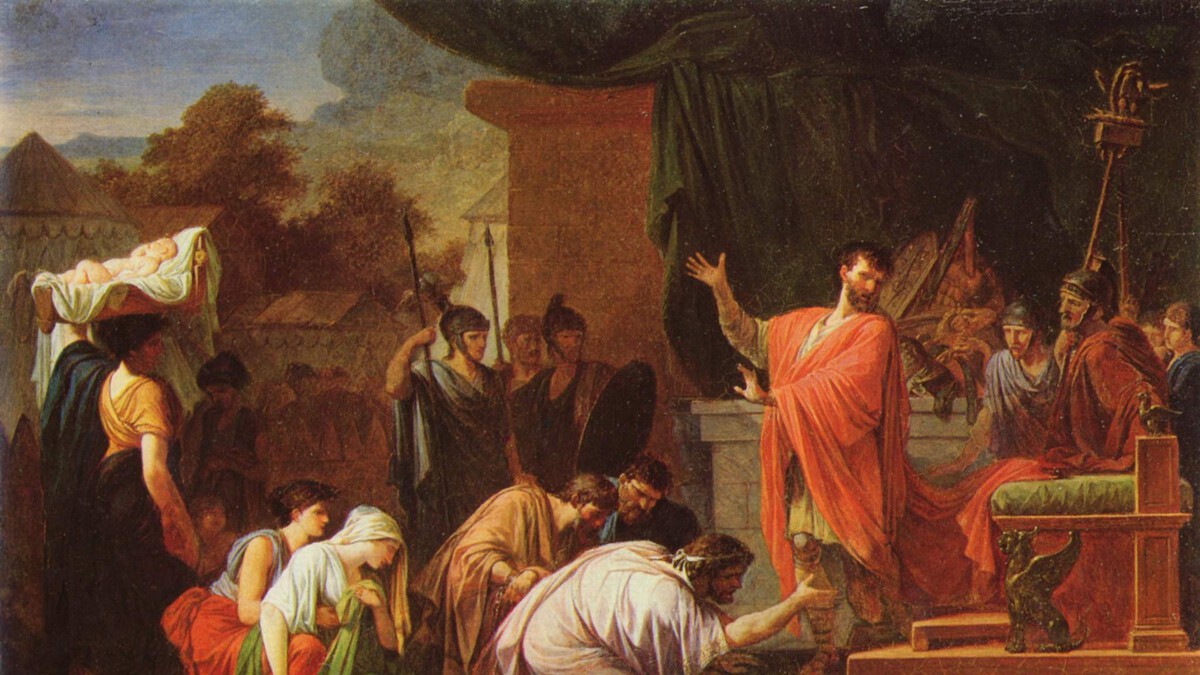
For much of his life he worked the land with his own hands and learned to speak in public defending his neighbors. A patrician named Lucius Valerius Flaccus saw his talent and brought him to Rome. Cato rose through the ranks and eventually became consul and censor, using his position to wage a relentless campaign against luxury and excess.
Why Did Cato Declare War on Luxury?
Cato saw luxury as a threat to the traditional Roman identity. He believed that wealth and extravagance weakened the moral fiber of the Republic. For him, the pursuit of pleasure and material goods was a dangerous distraction from duty and discipline. He made it his mission to persecute any sign of wealth that he believed corrupted Roman values.

His obsession was such that he ended up taxing that wealth with a 1,000% tax in pursuit of what he considered the Roman priority. This wasn't just about raising revenue; it was about sending a clear message that excessive luxury would not be tolerated. Cato's actions were part of a broader movement in Rome to enforce sumptuary laws, which aimed to curb extravagance and maintain social order.
The 1,000% Luxury Tax: A Weapon Against Excess
The 1,000% tax that Cato imposed was not a conventional fiscal measure. It was a punitive tool designed to make luxury goods prohibitively expensive. By targeting items like fine clothing, elaborate furniture, and exotic foods, Cato hoped to discourage the very behaviors that he believed were undermining Roman society. Context on how this played out before sits in Cato the Elder: Rome's Most Feared Politician Declared War on Luxury.
This extreme taxation was unprecedented. It reflected Cato's unwavering commitment to his principles and his willingness to use any means necessary to enforce them. The tax was so high that it effectively banned the purchase of luxury items for all but the wealthiest, and even they would think twice before flaunting their wealth. The background to this story is set out in Trending: latest articles. A related thread runs through Roman Theater in Málaga Unearthed After 35 Years: Seating Found Intact.
The Impact of Cato's Campaign
Cato's campaign against luxury had a significant impact on Roman society. It reinforced the idea that personal virtue and public duty were more important than individual pleasure. His efforts also set a precedent for future leaders who would use similar tactics to control behavior and maintain social norms. Earlier coverage in Climate Change Is Reshaping Europe's Luxury Real Estate Market shows how the argument developed. A closer look at the same subject appears in Caviar Goes Mainstream as China Democratizes Luxury.
However, Cato's extreme measures also drew criticism. Some argued that his policies were too harsh and that they stifled economic growth and personal freedom. Yet Cato remained unyielding, convinced that he was protecting the very essence of what it meant to be Roman. Anyone following the wider picture can start with Healey Budget: No Capital Gains Tax Hike, Bank Tax to Fund Support. The same theme surfaces in Babylon Berlin Final Season and Germany's Dark Weimar Mood, which takes a different angle.
Key Takeaways from Cato's War on Luxury
- Cato the Elder was a homo novus who rose to power through talent and determination.
- He imposed a 1,000% tax on luxury goods to discourage extravagance.
- His campaign was rooted in a belief that luxury corrupted traditional Roman values.
- Cato's actions were part of a broader trend of sumptuary laws in Rome.
- His legacy remains a powerful example of how politics can shape social norms.
Comparing Cato's Policies with Modern Luxury Taxes
| Aspect | Cato's 1,000% Luxury Tax | Modern Luxury Taxes |
|---|---|---|
| Tax Rate | 1,000% | Typically 5-30% |
| Purpose | Punitive, to discourage luxury | Revenue generation and wealth redistribution |
| Scope | Broad range of goods | Specific items like yachts, jewelry, cars |
| Enforcement | Strict, with social stigma | Legal penalties for evasion |
FAQ
What was Cato the Elder known for?
Cato the Elder was known for his austerity, his opposition to luxury, and his famous declaration that "Carthage must be destroyed." He served as consul and censor and imposed a 1,000% tax on luxury goods.
Why did Cato impose a 1,000% tax on luxury?
Cato believed that luxury corrupted Roman values and weakened the Republic. He imposed the tax to discourage extravagance and to force citizens to return to traditional virtues of frugality and discipline.
What were sumptuary laws in Rome?
Sumptuary laws were regulations that restricted luxury and extravagance. They aimed to maintain social hierarchy and moral standards by limiting what people could wear, eat, and own.
How did Cato's policies affect Roman society?
Cato's policies reinforced the importance of public duty over personal pleasure. They set a precedent for future leaders and contributed to a culture that valued austerity and discipline, though they also sparked debate about individual freedom.
Browse the Shop
 Acacia frida deluxe solid wood bed frame |
Bedroom bench |
Bed chest drawers |
Lingerie dresser |
Frame base |
Mirror with jewelry storage |
30 Bathroom Vanity |
Memory foam queen mattress |
Mattresses for back pain |
Nightstand set of 2 |
Grand Goldman Shop |
Civil Lawyer
Deutschland Trikot WM 2026










