

China's foie gras industry is rapidly expanding, challenging France's long-standing dominance in the production of this luxury delicacy. While foie gras is traditionally associated with French gastronomy, Chinese producers are now making significant strides, with estimates suggesting China has become the world's second-largest producer.
This shift has implications for global supply chains, culinary traditions, and the economies of both nations. As China ramps up production, France faces a formidable competitor in a market it has historically controlled.
Find Original Home Decor sparking conversation at Grand Goldman Shop.

The Rise of China's Foie Gras Industry
China's foray into foie gras production is not entirely new, but it has gained momentum in recent years. According to a report by China International Capital, a state-owned investment bank, Chinese producers now generate approximately 11,000 tons annually, accounting for roughly 45% of global supply.
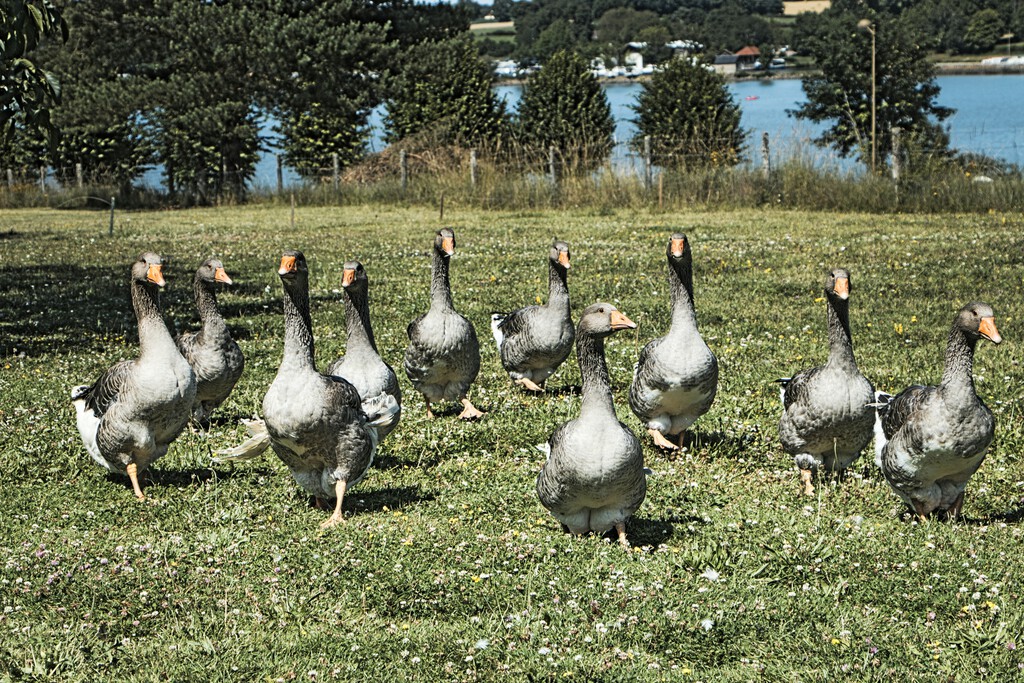
This figure, cited by The Wall Street Journal, underscores China's growing capacity. While exact numbers vary, the trend is clear: China is investing heavily in foie gras production, particularly in regions like Shandong and Anhui, where farms are scaling up operations.
Key Factors Driving China's Growth
- Government support: State-backed investments and favorable policies encourage agricultural expansion.
- Lower production costs: Cheaper labor and feed reduce overall expenses.
- Technological adoption: Chinese farms are modernizing with advanced breeding and feeding techniques.
- Domestic demand: Rising middle-class appetite for luxury foods fuels internal consumption.
- Export ambitions: China aims to capture international markets, including Asia and the Middle East.
These factors collectively position China as a serious contender in the global foie gras market.
France's Response to the Chinese Challenge
France, the undisputed home of foie gras, is closely monitoring China's ascent. Fabien Chevalier, president of CIFOG, the French interprofessional committee for foie gras, acknowledges the threat. "France is the country of foie gras. It is a hallmark of French gastronomy," he said, but also recognizes that French producers now face a rival 7,000 kilometers away.
French producers emphasize quality, tradition, and terroir, but they must adapt to remain competitive. The industry is focusing on sustainability, animal welfare, and premium branding to differentiate itself.
Comparing Production: France vs. China
| Aspect | France | China |
|---|---|---|
| Annual production (tons) | ~18,000 | ~11,000 |
| Global market share | ~70% | ~45% |
| Main regions | Nouvelle-Aquitaine, Occitanie | Shandong, Anhui |
| Key strengths | Tradition, quality, brand | Cost, scale, government support |
| Main challenges | High costs, animal welfare concerns | Quality perception, export barriers |
While France still leads in volume and reputation, China's rapid growth is narrowing the gap.
Implications for the Global Foie Gras Market
China's emergence as a major foie gras producer could reshape the global market. For one, it may lead to downward pressure on prices, making foie gras more accessible to a broader audience.
However, this also raises questions about quality and ethical standards. French producers argue that their strict regulations ensure superior taste and humane treatment, whereas Chinese practices may vary.
Additionally, China's export ambitions could challenge France's dominance in key markets. As Chinese foie gras enters international trade, French exporters may need to reinforce their premium positioning. The background to this story is set out in US-China Tariff Cuts: $30bn Each on Foie Gras, Dolphins, Toasters. A related thread runs through Beef Tenderloin with Foie Gras: A French Gourmet Classic. Earlier coverage in Canelones Rossini: Creamy Baked Pasta with Foie Gras (53 characters) shows how the argument developed.
What to Watch Next
The competition between France and China in foie gras production is likely to intensify. Watch for China's efforts to improve quality and meet international standards, as well as France's strategies to maintain its market share through innovation and marketing. A closer look at the same subject appears in Caviar Goes Mainstream as China Democratizes Luxury. Anyone following the wider picture can start with Tadej Pogacar’s Tour de France Dominance Redefines Cycling. The same theme surfaces in France Wildfires: Climate Crisis Ignites Political Debate, which takes a different angle.
Trade policies and animal welfare regulations will also play a role. As the landscape evolves, both countries will need to adapt to changing consumer preferences and global demands. Context on how this played out before sits in Trending: latest articles. A companion piece, Spain's Snack Boom: Sales Hit €3.25 Billion as Diet Shifts, approaches the same subject from another angle.
FAQ
Is China a major foie gras producer?
Yes, China has become the world's second-largest foie gras producer, with an estimated annual output of 11,000 tons, representing about 45% of global supply.
How does Chinese foie gras compare to French foie gras?
Chinese foie gras is generally considered of lower quality than French foie gras, which benefits from centuries of tradition and strict regulations. However, Chinese producers are improving their techniques.
Why is France concerned about China's foie gras industry?
France fears losing market share and price competitiveness as China ramps up production and seeks export markets.
What regions in China produce foie gras?
Shandong and Anhui provinces are the primary regions for foie gras production in China.
The competition between France and China in foie gras production is a fascinating case of globalization in the food industry. As China continues to expand its capabilities, France must innovate to preserve its culinary heritage and economic interests.
Browse the Shop
 Acacia frida deluxe solid wood bed frame |
Bedroom bench |
Bed chest drawers |
Lingerie dresser |
Frame base |
Mirror with jewelry storage |
30 Bathroom Vanity |
Memory foam queen mattress |
Mattresses for back pain |
Nightstand set of 2 |
Grand Goldman Shop |
Civil Lawyer
Deutschland Trikot WM 2026







