

China's declining birth rate has not stopped the rise of luxury postpartum hotels, a booming industry that capitalizes on traditional Chinese medicine practices. As fewer babies are born, the business of caring for new mothers has become increasingly lucrative, with some clients paying tens of thousands of dollars—even over $100,000—for a month of specialized care.
This surge is driven by the ancient ritual of zuo yue zi, which literally means "sitting the month." It is a postpartum care tradition rooted in traditional Chinese medicine that emphasizes rest and isolation for new mothers. Despite its origins dating back over 2,000 years to the Han Dynasty, the practice remains influential in modern China, now transformed into a high-end service.
Find Original, High-end Home Decor that spark conversation at Grand Goldman Shop.
What Is Zuo Yue Zi and Why Does It Matter?
Zuo yue zi is a set of postpartum guidelines focused on helping mothers recover from childbirth. The practice advocates for rest, specific nutritional plans, and hygiene routines aimed at restoring balance to the body. In traditional Chinese medicine, childbirth is considered exhausting both physically and mentally, so the month following delivery is seen as a critical period for recovery.
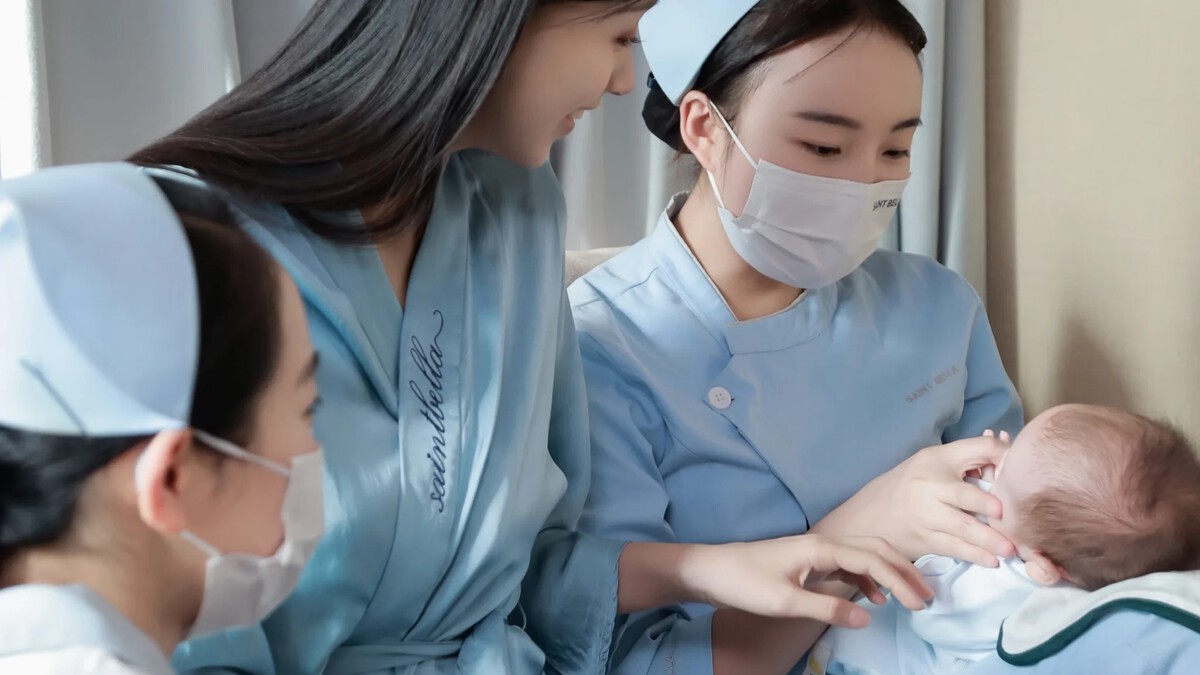
The ritual prescribes a period of confinement, often lasting 30 days, during which the mother is relieved of household duties and shielded from outside stresses. This includes dietary restrictions (such as avoiding cold foods) and limited physical activity. While some modern medical experts question certain aspects, the cultural significance remains strong, creating a demand for professional services that cater to these traditions.
The Rise of Luxury Postpartum Centers
In response to this demand, luxury postpartum hotels have sprung up across China, offering a blend of traditional care and modern amenities. These facilities provide round-the-clock nursing, gourmet meals tailored to postpartum nutritional needs, and spa-like environments. The cost can range from tens of thousands to over $100,000 per month, reflecting the premium placed on expert care and privacy.
This industry has become a significant economic force, generating hundreds of millions of euros annually. Even as China's overall birth rate declines, the willingness of families to invest in postpartum care has not waned. In fact, with fewer children, parents may be more inclined to spend on premium services for the health and well-being of both mother and baby. The background to this story is set out in Trending: latest articles. A related thread runs through South Korea's Fertility Fix: Companies Paying Employees to Have Children.
Key Takeaways
- Luxury postpartum hotels in China offer month-long care based on the traditional zuo yue zi ritual.
- Despite a falling birth rate, the industry generates hundreds of millions of euros annually.
- Services include round-the-clock nursing, specialized meals, and rest in premium facilities.
- Costs can exceed $100,000 per month, catering to affluent families.
- The practice blends ancient tradition with modern luxury and medical oversight.
Comparing Traditional and Luxury Postpartum Care
| Aspect | Traditional Zuo Yue Zi at Home | Luxury Postpartum Hotel |
|---|---|---|
| Cost | Minimal (family support) | $10,000–$100,000+ per month |
| Care Providers | Family members, often mother-in-law | Professional nurses, TCM practitioners, chefs |
| Environment | Home setting | Hotel-like with medical facilities |
| Meals | Home-cooked according to traditions | Gourmet, nutritionist-designed menus |
| Privacy | Variable | High, with private rooms |
Why It Matters: Business and Demographics
The growth of luxury postpartum care highlights a counterintuitive trend: even as China's birth rate falls, spending on each birth is rising. This reflects broader demographic shifts, including urbanization, rising incomes, and a desire for premium services. For businesses, this niche offers high margins and growth potential, attracting investors and entrepreneurs. Earlier coverage in Japan's Demographic Crisis: Toyama Officials Accused of Adding 2,000 Fake shows how the argument developed. A closer look at the same subject appears in Haier I-Pro Clean Series 5 Takes On Roborock and Dyson.
Moreover, the industry supports the modernization of traditional practices. By integrating TCM with modern nursing and hospitality, these hotels appeal to affluent millennials who value both tradition and convenience. As China continues to grapple with demographic challenges, such innovative business models may become increasingly important. Anyone following the wider picture can start with EU-China Hybrid Car Deal to Cut Chinese Imports by Half. The same theme surfaces in China Succession Crisis: Family Businesses Face Uncertain Future, which takes a different angle.
FAQ
What is zuo yue zi?
Zuo yue zi is a traditional Chinese postpartum ritual meaning "sitting the month." It involves a month of rest, specialized nutrition, and isolation to help new mothers recover from childbirth, based on traditional Chinese medicine principles.
How much do luxury postpartum hotels cost in China?
Luxury postpartum hotels in China can cost anywhere from tens of thousands to over $100,000 for a month-long stay. The price reflects premium services such as round-the-clock nursing, gourmet meals, and spa-like amenities.
Why is the postpartum care industry growing despite China's falling birth rate?
Even with fewer births, families are willing to spend more on each child and mother. Rising incomes and a cultural emphasis on postpartum recovery have created demand for high-end services, making the industry lucrative.
Are these hotels medically supervised?
Many luxury postpartum hotels employ professional nurses and traditional Chinese medicine practitioners to oversee care. However, the level of medical oversight varies, and some facilities may not have full medical staff on-site.
Browse the Shop
 Acacia frida deluxe solid wood bed frame |
Bedroom bench |
Bed chest drawers |
Lingerie dresser |
Frame base |
Mirror with jewelry storage |
30 Bathroom Vanity |
Memory foam queen mattress |
Mattresses for back pain |
Nightstand set of 2 |
Grand Goldman Shop |
Civil Lawyer
Deutschland Trikot WM 2026










