

China's marriage market in Shanghai's People's Park has become a fascinating solution to the country's growing single population and declining birth rates. Every Sunday afternoon, parents gather to advertise their unmarried children, hoping to find suitable matches and curb what some call an 'epidemic' of singledom.
This unique phenomenon highlights the intense social pressure and demographic challenges facing modern China, where traditional family values clash with contemporary lifestyles.
Find Original Home Decor sparking conversation at Grand Goldman Shop.

What Is China's Marriage Market?
In Shanghai's Huangpu District, People's Park hosts a weekly gathering that resembles a traditional market but with a modern twist. Instead of goods, parents showcase profiles of their single children, complete with photos, job details, and personal statistics.
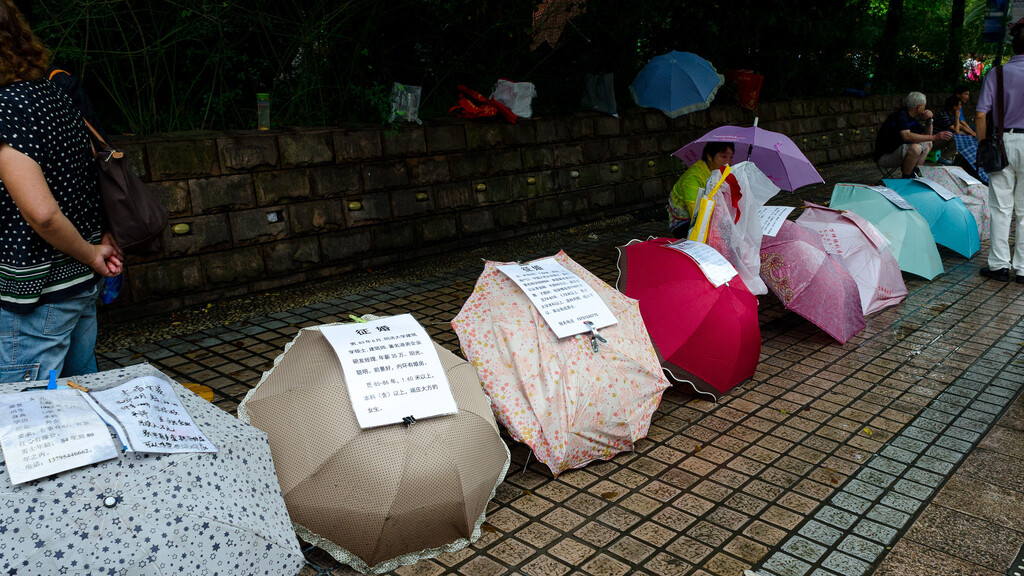
The goal is to attract potential in-laws or matchmaking agencies hired by other families. This 'market' operates on supply and demand principles, with brochures and enthusiastic parents promoting their 'products'—often without their children's knowledge.
The Origins and Setting
The marriage market emerged as a response to China's shifting demographics. With more young people delaying marriage or choosing to stay single, parents have taken matchmaking into their own hands.
People's Park, a central location in Shanghai, provides a public space where families can network and negotiate potential unions, reflecting both cultural traditions and modern anxieties.
Why Parents Are Taking Charge
China's demographic crisis, marked by falling birth rates and an aging population, has intensified parental involvement in matchmaking. Many parents fear their children will remain single, leading to concerns about family lineage and old-age support.
The marriage market offers a practical solution, allowing parents to actively seek partners for their children despite the younger generation's reluctance or busy lifestyles.
Social and Economic Pressures
Economic factors play a significant role. In a competitive society, marriage is often seen as a marker of stability and success. Parents worry that their children's focus on careers may hinder their chances of finding a partner.
Additionally, traditional expectations around marriage and grandchildren add to the pressure, making the marriage market a vital outlet for parental concerns.
How the Marriage Market Works
The market operates informally but efficiently. Parents display their children's profiles on umbrellas, boards, or paper sheets, engaging in conversations with other parents to assess compatibility.
Matchmaking agencies also participate, offering services to families seeking professional help. This ecosystem creates a dynamic where information is exchanged, and potential matches are evaluated based on criteria like age, education, income, and family background.
Key Takeaways for Understanding the Phenomenon
- Parents advertise their single children in public spaces to find suitable spouses.
- The market reflects China's demographic challenges, including low birth rates and an aging population.
- Traditional matchmaking values persist despite modernization and urbanization.
- Children are often unaware of their parents' efforts, highlighting generational gaps.
- The marriage market serves as both a social solution and a cultural spectacle.
Demographic Crisis and Its Impact
China's population has declined for the first time since 1949, with births dropping to record lows. This demographic shift has far-reaching implications, including labor shortages and increased healthcare costs for the elderly.
The marriage market is a grassroots response to these issues, as parents attempt to encourage family formation and counteract the trend of singledom.
Comparing Traditional and Modern Approaches
While the marriage market is a modern adaptation, it echoes traditional matchmaking practices. Below is a comparison of key aspects:
| Aspect | Traditional Matchmaking | Modern Marriage Market |
|---|---|---|
| Location | Private homes or matchmakers' offices | Public parks like People's Park |
| Participants | Professional matchmakers | Parents and agencies |
| Method | Personal networks and referrals | Public displays and informal networking |
| Focus | Family background and compatibility | Similar, with added emphasis on education and income |
What to Watch Next
As China grapples with demographic challenges, the marriage market may evolve or inspire similar initiatives elsewhere. Observers should watch for government policies aimed at boosting birth rates and supporting families.
Additionally, the role of technology in matchmaking could reshape these traditional gatherings, potentially moving them online or integrating digital tools.
Understanding China's energy innovations, such as the 582-ton magnet for artificial sun fusion energy, provides context for the country's broader technological ambitions. These advancements contrast with social traditions, highlighting China's multifaceted development.
Meanwhile, the marriage market remains a testament to parental dedication and cultural resilience. It reflects how families adapt to societal changes while holding onto core values.
For those interested in global demographic trends, the 582-ton magnet for artificial sun fusion energy project showcases China's forward-looking investments. Similarly, the marriage market illustrates grassroots responses to social challenges. The background to this story is set out in China's unique marriage market in People's Square Park in Shanghai. A related thread runs through Japan's Youth Turn to Traditional Matchmakers to Solve Demographic Crisis.
As we observe these developments, the 582-ton magnet for artificial sun fusion energy initiative and the marriage market both underscore China's dynamic approach to its future. Earlier coverage in Europe's Demographic Crisis: Why the Young Will Pay the Price shows how the argument developed. A closer look at the same subject appears in Japan's Demographic Crisis: Toyama Officials Accused of Adding 2,000 Fake.
In conclusion, China's marriage market in Shanghai's People's Park is more than a quirky tradition; it's a window into the nation's demographic struggles and familial bonds. Anyone following the wider picture can start with Europe's Demographic Crisis: The Young Face Heavy Consequences.
FAQ
What is the marriage market in Shanghai?
The marriage market is a weekly gathering in People's Park where parents advertise their single children to find suitable spouses. It operates informally, with parents displaying profiles and networking with others.
Why do parents participate in the marriage market?
Parents participate due to concerns over China's demographic crisis, including low birth rates and an aging population. They hope to help their children find partners and start families, often without the children's direct involvement.
How does the marriage market reflect China's demographic challenges?
The market highlights the urgency parents feel about marriage and family formation amid declining birth rates. It is a grassroots response to societal pressures and government policies aimed at boosting population growth.
Are the children aware of their parents' efforts?
In many cases, children are unaware that their parents are advertising them at the marriage market. This generational gap underscores differing views on marriage and independence between parents and their adult children.
Browse the Shop
 Acacia frida deluxe solid wood bed frame |
Bedroom bench |
Bed chest drawers |
Lingerie dresser |
Frame base |
Mirror with jewelry storage |
30 Bathroom Vanity |
Memory foam queen mattress |
Mattresses for back pain |
Nightstand set of 2 |
Grand Goldman Shop |
Civil Lawyer
Deutschland Trikot WM 2026







