

China's secret satellite base in Xinjiang is undergoing a rapid expansion, according to recent satellite imagery. The remote facility near Lop Nur, often compared to Area 51, is transforming from a simple airstrip into a complex testing center for the country's most advanced aircraft.
Analysts have been monitoring the site for years, but new construction suggests a significant acceleration in China's military aviation programs. The base's evolution raises questions about the country's ambitions in stealth technology and experimental aircraft.
Find Original Home Decor sparking conversation at Grand Goldman Shop.

What Is the Lop Nur Test Base?
The Lop Nur test base is located in the Xinjiang desert, one of China's most inhospitable regions. It first gained attention for its massive runway, one of the longest in the world at approximately five kilometers.

Analysts from TWZ have likened the facility to the US Air Force's Area 51, given its role in developing secret military programs. The base's isolation provides secrecy for testing advanced aircraft away from prying eyes.
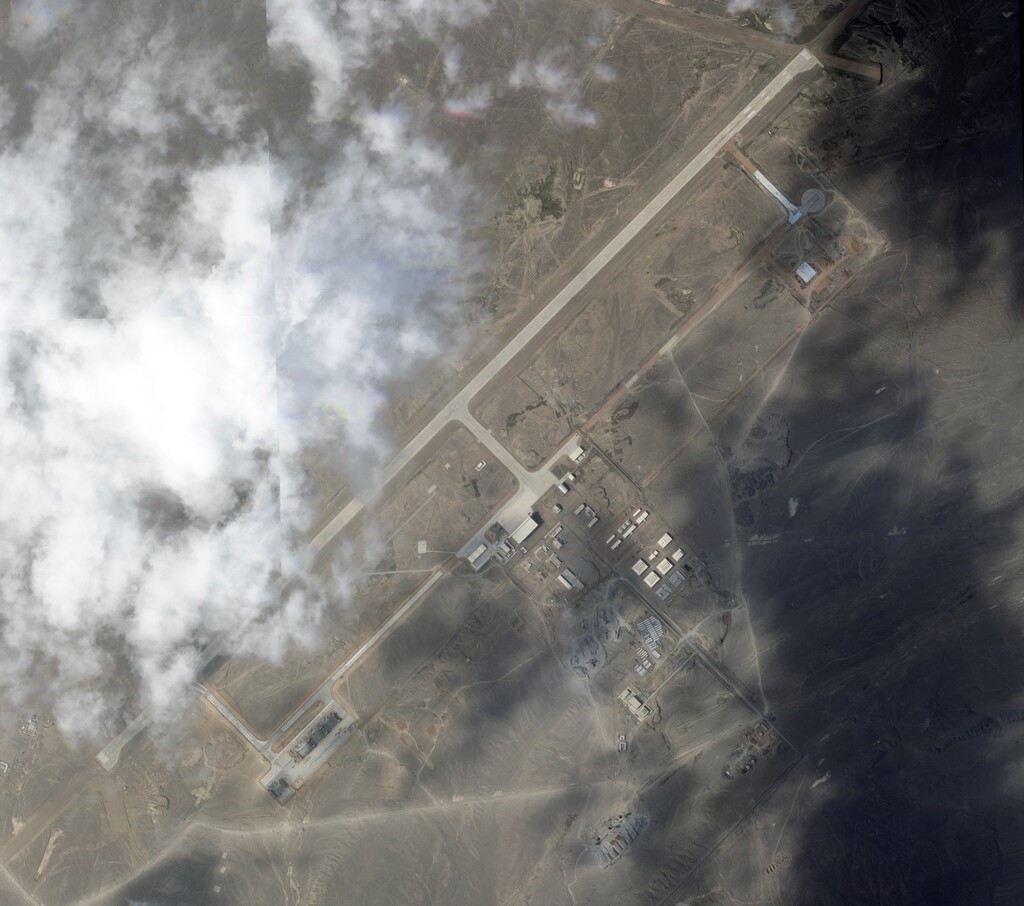
In recent years, the base has been linked to China's sixth-generation fighter program. The appearance of new stealth aircraft prototypes at the site has fueled speculation about China's growing aerospace capabilities.
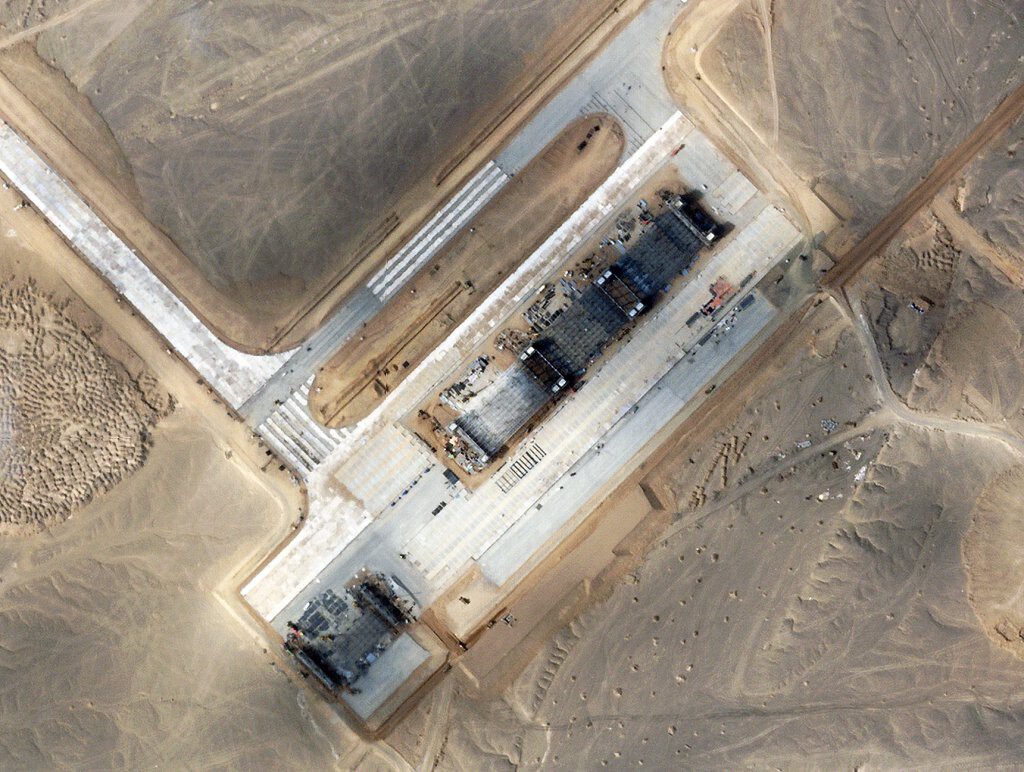
Recent Satellite Imagery Shows Major Expansion
Satellite images taken on August 27 reveal a burst of construction activity at the Lop Nur base. The most striking feature is the emergence of four exceptionally wide hangars, which could accommodate very large aircraft.
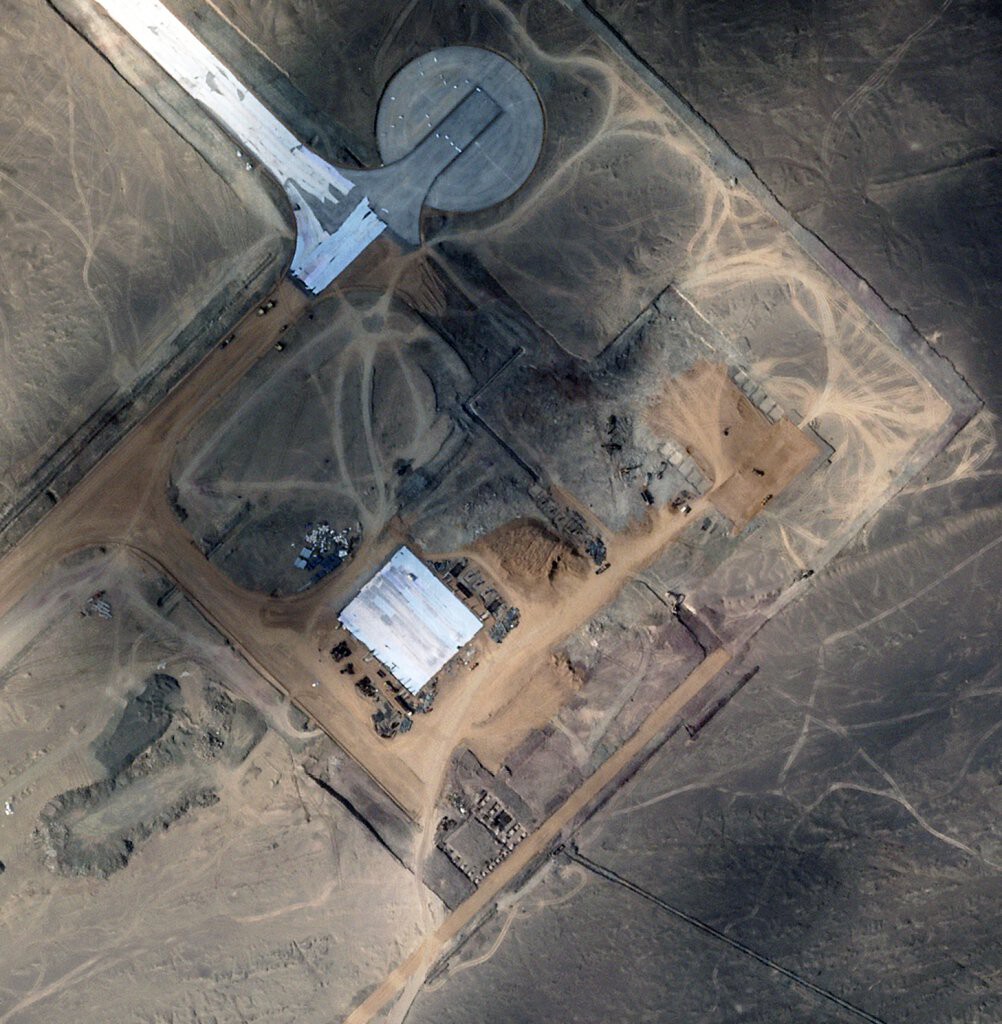
These hangars are accompanied by new taxiways, aprons, possible fuel storage tanks, and support buildings. The layout suggests a dedicated testing facility for experimental aircraft, possibly including unmanned combat aerial vehicles (UCAVs) or stealth bombers.
The expansion is not limited to hangars; the entire infrastructure around the runway is being upgraded. This indicates a long-term investment in the base's capabilities.
Why Is China Expanding This Remote Base?
China's military modernization has accelerated in recent years, with a focus on power projection and technological superiority. The Lop Nur base likely serves as a hub for testing cutting-edge aerospace technologies.
The wide hangars could house large stealth drones or next-generation bombers, which require significant space for maintenance and testing. The base's remote location allows for secretive testing without risking observation by foreign intelligence.
Moreover, the expansion aligns with China's broader strategy to challenge US air dominance. By developing advanced aircraft, China aims to deter US intervention in regional conflicts and assert its influence.
Key Takeaways from the Satellite Analysis
- The Lop Nur test base in Xinjiang is undergoing rapid expansion, with new hangars and infrastructure.
- Four exceptionally wide hangars suggest the facility may support large experimental aircraft.
- The base is compared to Area 51 due to its role in secret military programs.
- Recent activity includes new taxiways, aprons, and possible fuel storage.
- The expansion indicates China's focus on advanced aerospace technologies, including stealth and unmanned systems.
What This Means for Global Security
The expansion of the Lop Nur base is a clear signal of China's intent to field advanced military aircraft. This could alter the balance of power in the Asia-Pacific region and beyond.
Neighboring countries and the US are likely monitoring the developments closely. The base's capabilities could enable China to deploy stealth bombers or high-altitude drones, complicating regional defense planning.
Furthermore, the base's growth reflects China's broader military modernization, which includes naval expansion and missile development. The Lop Nur facility is just one piece of a larger puzzle.
Comparison of Known Chinese Test Facilities
| Facility | Location | Key Features | Known Programs |
|---|---|---|---|
| Lop Nur Test Base | Xinjiang | 5 km runway, wide hangars, remote | Sixth-gen fighters, stealth drones |
| Area 51 | Nevada, USA | Long runways, secret hangars | Stealth aircraft, UAVs |
| Zhurihe Training Base | Inner Mongolia | Large training area, mock targets | Combat training |
What to Watch Next
Analysts will continue to monitor satellite imagery for further construction and aircraft movements. The appearance of new aircraft types at Lop Nur could provide clues about China's sixth-generation fighter and bomber programs. The background to this story is set out in China Deploys Record Military Aircraft at Egypt Airshow. A related thread runs through Satellite Imagery Verification: How Journalists Corroborate Evidence. Earlier coverage in Neom Satellite Images Reveal Mysterious Luxury Palace Complex shows how the argument developed.
The base's expansion may also signal upcoming tests of new drones or stealth platforms. Keeping an eye on the size and shape of new hangars can indicate the types of aircraft being developed. A closer look at the same subject appears in Trending: latest articles. Anyone following the wider picture can start with US Expands Nuclear-Capable B-52 Base in Spain: What It Means. The same theme surfaces in China's Stressed Youth Embrace 'Brick Babies' as Zero-Energy, which takes a different angle.
As China's military capabilities grow, the Lop Nur base will remain a focal point for intelligence gathering and strategic analysis. Context on how this played out before sits in Pangram AI Detector: The Limits of Judging Literary Authorship.
FAQ
What is the Lop Nur test base?
The Lop Nur test base is a remote military facility in Xinjiang, China, used for testing advanced aircraft. It features one of the world's longest runways and has been compared to Area 51.
Why is China expanding the Lop Nur base?
The expansion likely supports testing of new experimental aircraft, including stealth fighters and drones. The remote location ensures secrecy for sensitive programs.
What are the wide hangars for?
The four exceptionally wide hangars could accommodate large aircraft like stealth bombers or high-altitude drones, which require significant space for maintenance and testing.
How does this affect global security?
The expansion signals China's growing military capabilities, potentially altering regional power dynamics. It may lead to new stealth aircraft that challenge US air dominance.
Browse the Shop
 Acacia frida deluxe solid wood bed frame |
Bedroom bench |
Bed chest drawers |
Lingerie dresser |
Frame base |
Mirror with jewelry storage |
30 Bathroom Vanity |
Memory foam queen mattress |
Mattresses for back pain |
Nightstand set of 2 |
Grand Goldman Shop |
Civil Lawyer
Deutschland Trikot WM 2026







