

China's military modernization has put Taiwan on high alert, with experts pointing to 2027 as a critical year for a potential invasion. The so-called Davidson Window has become a key planning reference for the US and its allies.
In March 2021, Admiral Philip Davidson testified before the US Senate that China could pose a threat to Taiwan "in the next six years," implicitly setting 2027 as a deadline. This prediction, based on intelligence analysis, has since shaped military budgets and strategies across the Indo-Pacific.
Find Original Home Decor sparking conversation at Grand Goldman Shop.

What Is the Davidson Window?
The Davidson Window refers to the period leading up to 2027 when China is expected to have the military capability to launch a full-scale invasion of Taiwan. Admiral Davidson's testimony highlighted the rapid growth of China's military power, particularly its naval and missile forces.
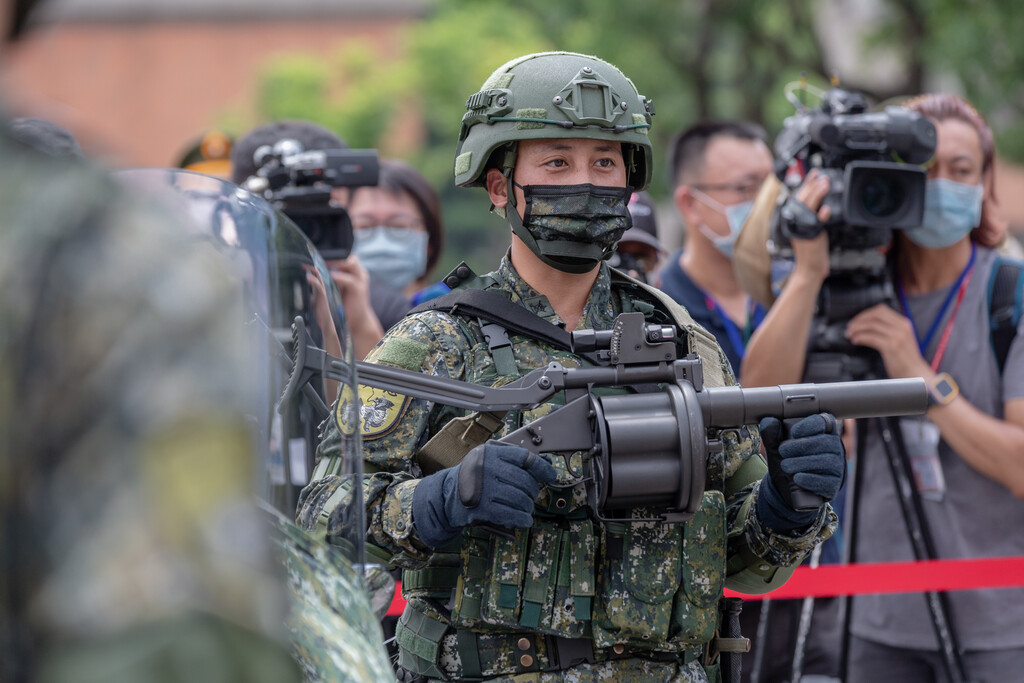
This window has become a focal point for defense planning in Washington, Taipei, and allied capitals. It has triggered a race to enhance military readiness and deterrence in the region.
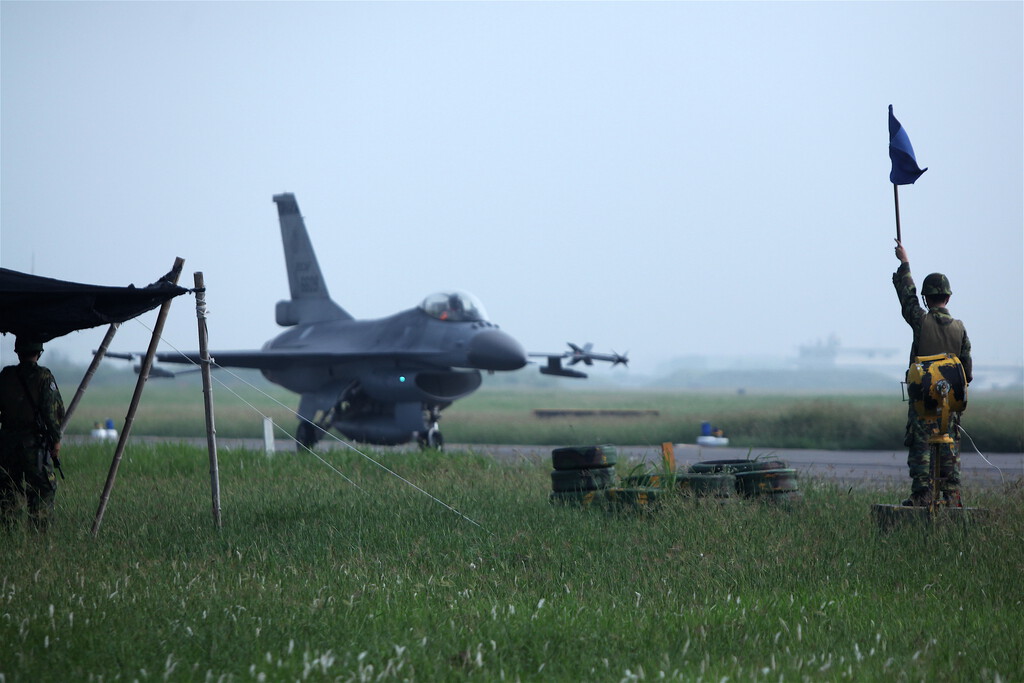
Why 2027?
2027 marks the 100th anniversary of the founding of the People's Liberation Army (PLA). Chinese President Xi Jinping has called for the military to be fully modernized by that year, which some analysts interpret as a potential deadline for action on Taiwan.
The PLA has been developing advanced capabilities, including anti-ship ballistic missiles, stealth fighters, and amphibious assault ships, which could be used in a Taiwan contingency.
Military Implications for the Indo-Pacific
The Davidson Window has prompted significant military investments and adjustments in the region. The US has increased its defense budget for the Pacific, strengthened alliances, and conducted more frequent freedom of navigation operations.
Taiwan has also ramped up its defense spending and pursued asymmetric warfare strategies to counter a potential invasion. Japan and other allies have expanded their military roles, recognizing the broader implications of a Taiwan conflict.
Key Takeaways
- The Davidson Window sets 2027 as a potential timeframe for a Chinese invasion of Taiwan.
- It has accelerated military modernization and defense planning in the US and allied nations.
- China's military buildup includes advanced missiles, naval vessels, and amphibious capabilities.
- The 2027 centenary of the PLA adds symbolic significance to the timeline.
- Deterrence efforts focus on making a invasion costly for China.
China's Military Modernization
China's military modernization has been rapid and comprehensive. The PLA Navy has surpassed the US Navy in ship count, though not in tonnage or technology. China has also deployed advanced fighter jets, bombers, and missiles capable of threatening US and allied forces.
The PLA's rocket force, in particular, poses a significant threat to Taiwan and US bases in the region. China's anti-access/area denial (A2/AD) strategy aims to keep US forces at bay during a conflict.
| Capability | China | United States |
|---|---|---|
| Naval Vessels | 355+ (including 145 major surface combatants) | 293 (including 11 aircraft carriers) |
| Ballistic Missiles | 1,250+ short-range, 1,000+ medium-range | Limited in the region |
| Defense Budget (2023) | ~$225 billion (official) | ~$858 billion |
| Military Personnel | 2 million active | 1.3 million active |
What to Watch Next
The 2027 timeline is not a certainty, but it has become a planning assumption. Analysts will be watching for signs of Chinese intent, such as increased military exercises near Taiwan, political rhetoric, and economic pressure. The background to this story is set out in Davidson's 2027 Taiwan Prediction: Was the Admiral Right. A related thread runs through China's Taiwan Blockade Strategy: 5 Destroyers a Day. Earlier coverage in Taiwan Deploys HIMARS to Counter China's Invasion Threat shows how the argument developed.
The US and its allies will continue to bolster deterrence through military presence, arms sales to Taiwan, and diplomatic support. The goal is to convince China that the costs of invasion would outweigh any benefits. A closer look at the same subject appears in CIA Director's Moscow Trip Echoes 2021 Pre-Invasion Warning. Anyone following the wider picture can start with UK Households Pay £13,961 Extra on Bills Since 2021. The same theme surfaces in Next Generation 2021: Why Slow and Steady Sometimes Wins the Race, which takes a different angle.
As the clock ticks toward 2027, the world will be watching closely. The Davidson Window has focused attention on the Taiwan Strait, making it one of the most dangerous flashpoints in the world. Context on how this played out before sits in MooLoo: How German Scientists Toilet-Trained Cows in 2021.
FAQ
What is the Davidson Window?
The Davidson Window is a term derived from Admiral Philip Davidson's 2021 testimony, suggesting China could threaten Taiwan by 2027. It has become a key reference for military planning.
Why is 2027 significant?
2027 is the centenary of the PLA, and China aims to have a fully modernized military by then. Some analysts believe this could be a target date for action on Taiwan.
How is the US responding?
The US has increased defense spending in the Pacific, strengthened alliances, and conducted more freedom of navigation operations to deter China.
Could the invasion happen sooner?
While 2027 is a planning assumption, China's capabilities are growing rapidly. Some experts warn that the window could open earlier if China perceives a strategic advantage.
As tensions rise, understanding the Davidson Window is crucial for policymakers and analysts. For a closer look at how China is advancing its military technology, see China's 582-Ton Magnet for Artificial Sun Fusion Energy.







