

In October 2006, a Chinese submarine approached the USS Kitty Hawk undetected, a startling event that highlighted growing naval tensions. The incident occurred near Okinawa, where the Kitty Hawk was operating with a battle group. The submarine, a Song-class diesel-electric vessel, surfaced just eight kilometers from the carrier, shocking U.S. naval commanders.
The Kitty Hawk, a conventionally powered aircraft carrier, was a symbol of American naval power. It had cost approximately $2.5 billion in today's dollars. Yet, fifteen years later, in 2021, the U.S. Navy sold the decommissioned carrier for exactly one cent. This stark contrast underscores the changing nature of naval warfare and the challenges of maintaining aging assets.
Find Original Home Decor sparking conversation at Grand Goldman Shop.

The 2006 Incident: A Shocking Encounter
On October 26, 2006, the USS Kitty Hawk was conducting operations in international waters near Okinawa. The carrier was accompanied by several escort ships, forming a formidable battle group. Despite the group's advanced anti-submarine capabilities, a Chinese Song-class submarine managed to approach undetected and surfaced just eight kilometers away.
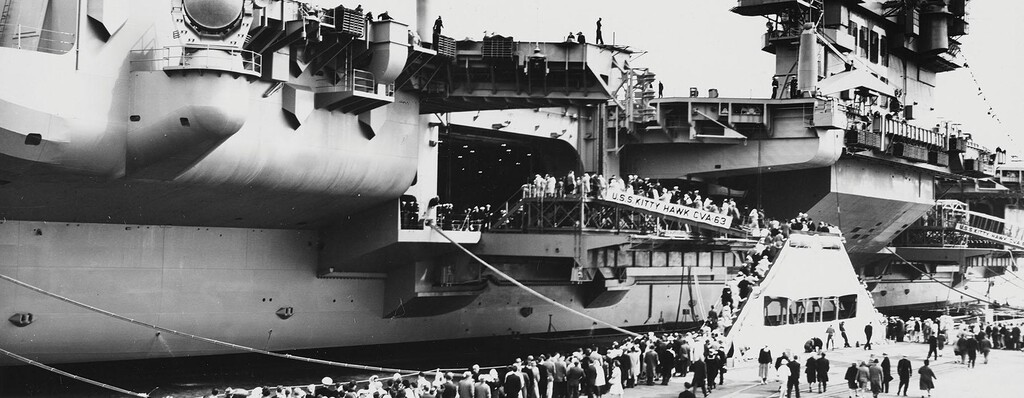
The distance was alarming: in a wartime scenario, the submarine could have launched torpedoes or missiles at the carrier. The fact that it got so close without being detected raised serious questions about U.S. anti-submarine warfare capabilities. The incident was a wake-up call for the Navy, which had perhaps grown complacent after the Cold War.
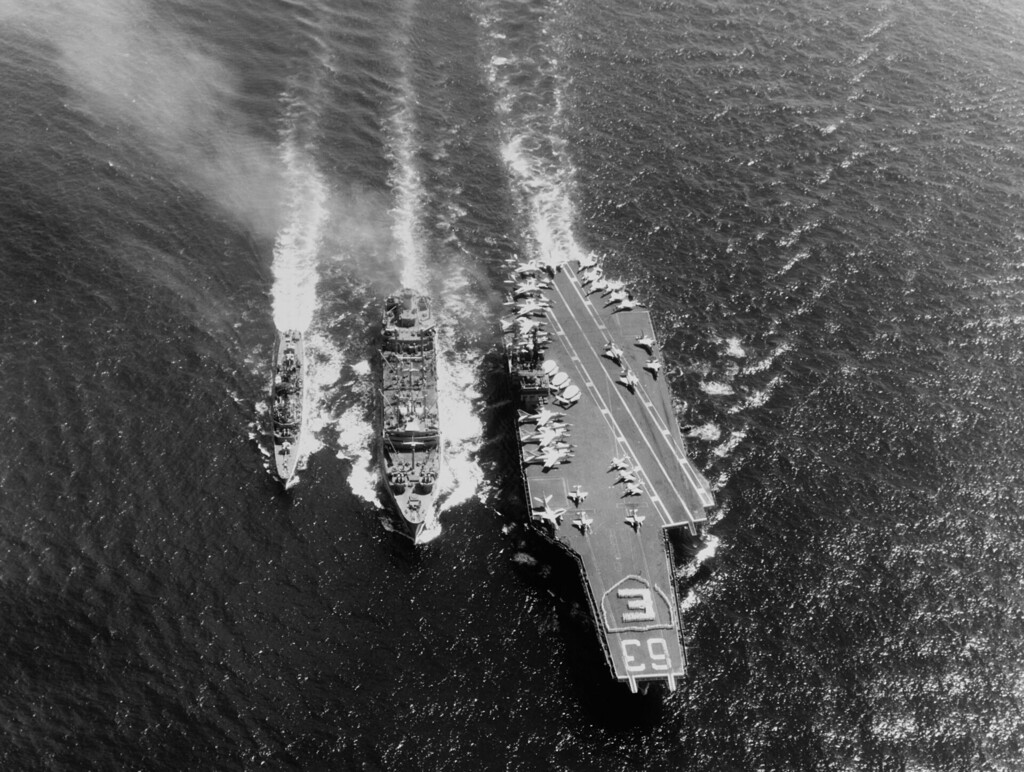
The Song-class submarine is a diesel-electric vessel known for its quiet operation. Its ability to evade detection and surface near a major U.S. carrier was a significant embarrassment for the U.S. Navy and a propaganda victory for China. The incident was not widely publicized at the time, but it sent ripples through military circles.
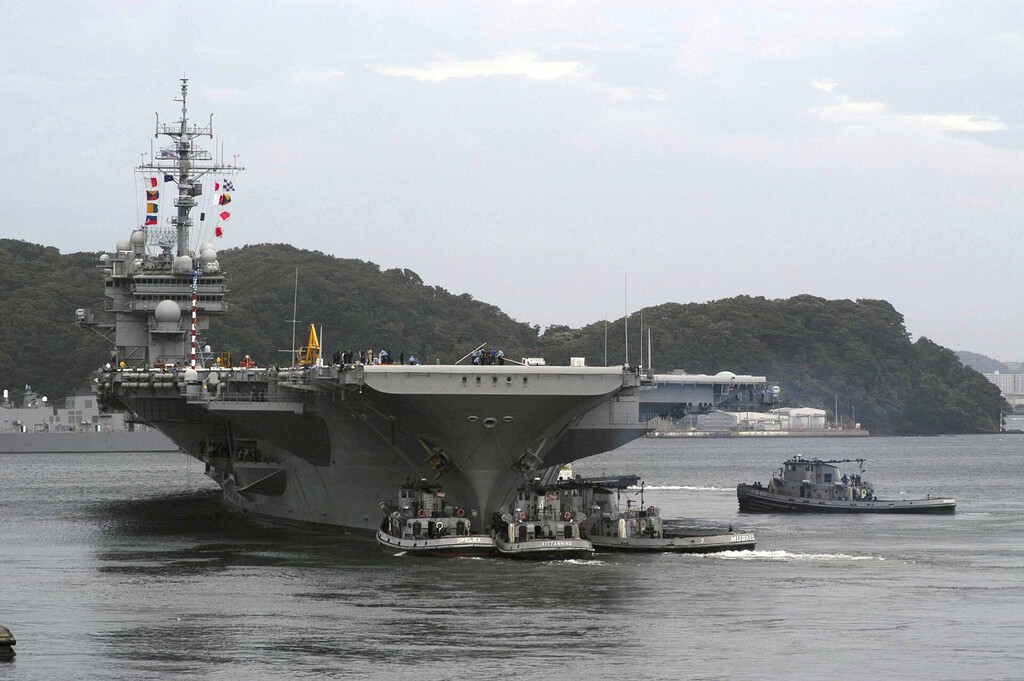
Why the Kitty Hawk Was Vulnerable
The Kitty Hawk was the last conventionally powered aircraft carrier in the U.S. fleet. It relied on older technology and was not equipped with the latest nuclear propulsion or stealth features. Its anti-submarine defenses, while robust, were not infallible, as the incident demonstrated.
Moreover, the carrier was operating in a region where Chinese submarines were becoming increasingly active. The Pacific theater posed unique challenges, with vast distances and complex underwater topography. The U.S. Navy had to adapt to a new era of great power competition.
The incident also highlighted the importance of diesel-electric submarines, which are quieter than nuclear submarines when running on batteries. They can lie in wait and ambush high-value targets, making them a cost-effective asymmetric threat.
The 2021 Sale: A Symbolic End
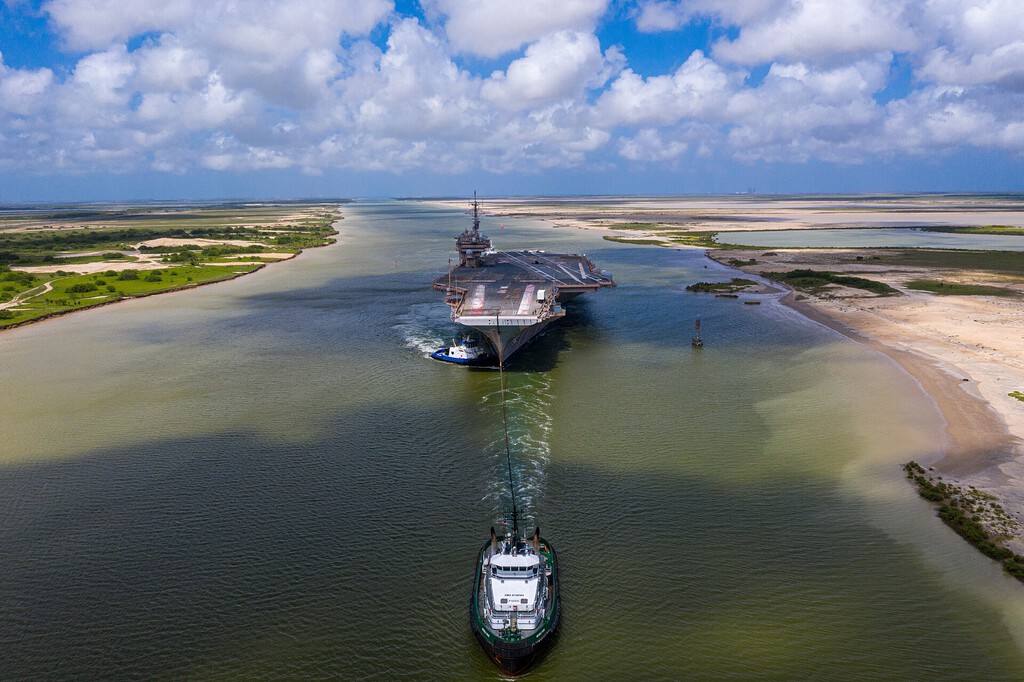
After decades of service, the USS Kitty Hawk was decommissioned in 2009. It remained in reserve until 2021, when the U.S. Navy sold it for scrapping. The sale price was a mere one cent, a procedural move to transfer ownership. The buyer was International Shipbreaking Limited, a company that dismantles old ships.
The one-cent sale was not about the carrier's value as scrap metal, but rather a legal formality. The Navy often sells decommissioned ships for a nominal fee to avoid the costs of maintenance and disposal. The Kitty Hawk had served for nearly half a century, from 1961 to 2009, and its fate was sealed.
The contrast between the carrier's $2.5 billion cost and its one-cent sale is striking. It reflects the lifecycle of military assets: from cutting-edge technology to obsolete hardware. The Kitty Hawk's story is a reminder of the relentless pace of technological change and the strategic choices nations must make.
What the Incident Means for Naval Strategy
The 2006 encounter underscored the need for improved anti-submarine warfare (ASW) capabilities. The U.S. Navy invested in new technologies and tactics to counter the growing submarine threat from China and other adversaries. The incident also prompted a review of carrier operations and escort procedures.
China, meanwhile, continued to modernize its submarine fleet, developing more advanced nuclear and diesel-electric boats. The Pacific has become a contested domain, with both powers vying for influence. The Kitty Hawk incident was an early warning of the challenges ahead.
For military analysts, the incident is a case study in the importance of vigilance and the potential vulnerabilities of even the most powerful naval forces. It also highlights the role of submarines as strategic assets in asymmetric warfare.
- In 2006, a Chinese Song-class submarine surfaced undetected near the USS Kitty Hawk, exposing gaps in U.S. anti-submarine defenses.
- The submarine approached within eight kilometers, close enough to launch a surprise attack in wartime.
- The Kitty Hawk, a conventionally powered carrier, was sold for one cent in 2021 after decades of service.
- The incident underscored the growing threat of quiet diesel-electric submarines and the need for improved ASW capabilities.
- The sale of the Kitty Hawk for scrap highlights the lifecycle of military assets and the strategic calculus of decommissioning.
Comparing the Kitty Hawk to Modern Carriers
| Feature | USS Kitty Hawk (2006) | Modern Carriers (e.g., Gerald R. Ford) |
|---|---|---|
| Propulsion | Conventional (oil-fired steam) | Nuclear |
| Cost | ~$2.5 billion (in today's dollars) | ~$13 billion |
| Anti-submarine defenses | Advanced but vulnerable | Enhanced with new sensors and weapons |
| Status | Decommissioned, sold for scrap | Active |
The Kitty Hawk's vulnerabilities were partly due to its age and conventional propulsion. Modern carriers like the Gerald R. Ford class incorporate advanced technologies, including improved ASW systems, but the submarine threat remains a concern.
Lessons Learned and the Future of Naval Warfare
The 2006 incident prompted the U.S. Navy to enhance its ASW training and technology. It also led to a greater emphasis on cooperation with allies in the Pacific, such as Japan and Australia. The goal is to create a networked web of sensors and weapons to detect and track submarines. The background to this story is set out in British Yacht Couple Bristle at Russian Warship Encounter Blame. A related thread runs through Trending: latest articles. Earlier coverage in China's 120-Meter Nuclear Submarine: New Satellite Images Reveal Key Details shows how the argument developed.
China's submarine force has continued to grow, with both quantity and quality improvements. The U.S. and its allies are responding with new platforms like the P-8 Poseidon maritime patrol aircraft and advanced sonar systems. The undersea domain is becoming increasingly contested. A closer look at the same subject appears in USS Arizona Submarine: Nuclear Successor With 28 Tomahawks. Anyone following the wider picture can start with China's 45-Meter Autonomous Submarines Redefine Naval Power. The same theme surfaces in Spain Extends Almaraz Nuclear Plant License to 2030 Amid Energy Crisis, which takes a different angle.
The Kitty Hawk's fate is a reminder that even mighty symbols of power eventually fade. But the lessons from its close encounter with a Chinese submarine remain relevant today, as navies around the world grapple with the silent threat beneath the waves. Context on how this played out before sits in Jellyfish Invasion Forces French Nuclear Plant Shutdown. A companion piece, Chinese Submarine Stalked USS Kitty Hawk: The Shocking 2006 Encounter, approaches the same subject from another angle.
FAQ
What happened during the 2006 USS Kitty Hawk incident?
A Chinese Song-class submarine surfaced undetected about eight kilometers from the USS Kitty Hawk near Okinawa. The submarine had evaded the carrier's escort screen, highlighting vulnerabilities in U.S. anti-submarine warfare.
Why was the USS Kitty Hawk sold for one cent?
The U.S. Navy sold the decommissioned Kitty Hawk for one cent as a procedural formality to transfer ownership to a scrapyard. This avoids the costs of maintaining and disposing of the ship.
What was the significance of the submarine's approach?
The approach demonstrated that a relatively quiet diesel-electric submarine could penetrate a U.S. carrier battle group's defenses. It raised concerns about the survivability of carriers in contested waters and prompted improvements in ASW.
How has U.S. anti-submarine warfare changed since 2006?
The U.S. Navy has invested in advanced sensors, networked systems, and new platforms like the P-8 Poseidon. It has also increased training and cooperation with allies to counter the growing submarine threat from China and others.
Browse the Shop
 Acacia frida deluxe solid wood bed frame |
Bedroom bench |
Bed chest drawers |
Lingerie dresser |
Frame base |
Mirror with jewelry storage |
30 Bathroom Vanity |
Memory foam queen mattress |
Mattresses for back pain |
Nightstand set of 2 |
Grand Goldman Shop |
Civil Lawyer
Deutschland Trikot WM 2026







