

Archaeologists have analyzed the largest Copper Age mass grave in Europe, located in Murcia, Spain, and uncovered a macabre secret: respiratory infections, likely including tuberculosis, were rampant among children and adolescents 5,000 years ago. The site, known as Camino del Molino in Caravaca de la Cruz, holds the remains of over 1,300 individuals, but 48 young skeletons have provided a unique window into the health of prehistoric populations.
What Happened at Camino del Molino?
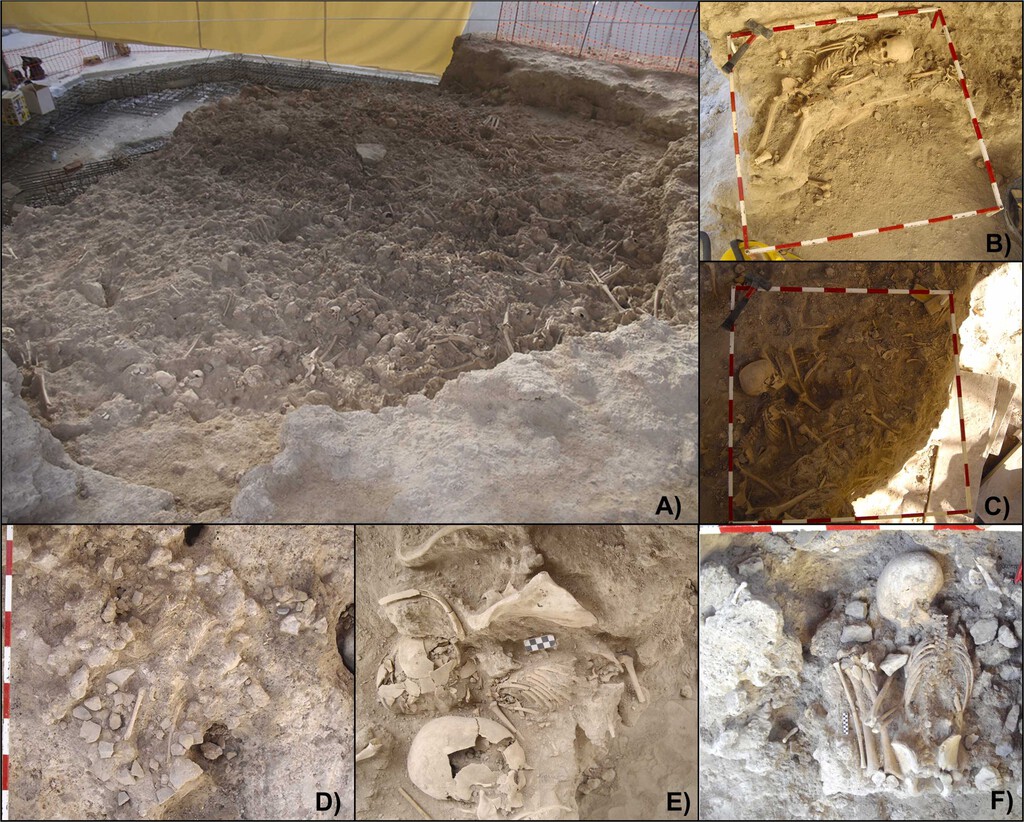
For much of the third millennium BC, people living in what is now Caravaca de la Cruz followed a ritual: they laid their dead to rest in a cave excavated directly into the rock—a spacious hypogeum now considered the largest collective cemetery of the Copper Age in Europe. It is believed that the bones of more than 1,300 people ended up there.
Find Original Home Decor sparking conversation at Grand Goldman Shop.

However, 48 skeletons in particular have drawn the attention of archaeologists: those of children and adolescents that, despite the passage of centuries, remain in their original position. This preservation offers researchers a unique opportunity to examine their injuries in depth.
Why This Grave Matters
The tomb itself is not new. Archaeologists located it nearly 20 years ago and from the start sensed it was one of the largest funerary spaces of Iberian prehistory. Now, a team of Spanish and Portuguese scientists has focused on something very specific: what the best-preserved bones of children and adolescents reveal.
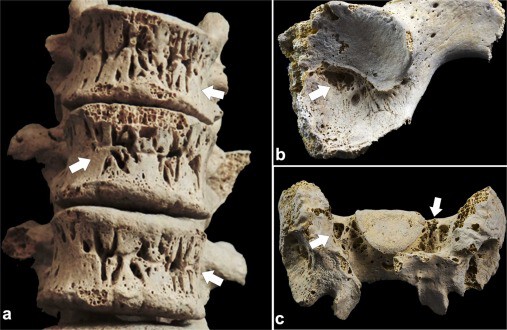
The analysis has uncovered something fascinating: respiratory infections (including likely tuberculosis) were commonplace 5,000 years ago. In fact, they left their mark on the bones of the youngest individuals.
What the Bones Reveal
The exceptional preservation of the 48 young skeletons allowed researchers to examine lesions and other signs of disease. The findings suggest that respiratory infections were not rare events but part of daily life for these Copper Age communities.
- Respiratory infections were common: Evidence of infections, possibly including tuberculosis, was found in the bones of children and adolescents.
- Exceptional preservation: The skeletons remained in their original positions, enabling detailed study of lesions.
- Largest Copper Age cemetery in Europe: The site held the remains of over 1,300 individuals.
- Unique insight into prehistoric health: The findings shed light on the health challenges faced by young people 5,000 years ago.
Who Is Affected?
The discovery affects our understanding of prehistoric populations in the Iberian Peninsula. It highlights the vulnerability of children and adolescents to infectious diseases even in ancient times. The research also underscores the importance of well-preserved skeletal remains for studying the history of disease. The longer history behind the story is traced in Copper Age Mass Grave in Murcia Reveals Child Infections.
For archaeologists and anthropologists, the site provides a rare opportunity to examine the health of a large community over time. For the general public, it offers a glimpse into the lives—and deaths—of people who lived millennia ago. The background to this story is set out in Spain's Largest Gym Opens in Murcia: 6,000 Square Meters of Fitness. A related thread runs through Olga Soffer: Archaeologist Who Revealed Prehistoric Women's Role. Earlier coverage in Spain World Cup Triumph: A Unique Collective Experience Analyzed shows how the argument developed.
What to Watch Next
Further analyses of the bones may reveal more about the types of infections and their prevalence. Researchers could also compare these findings with other Copper Age sites to see if respiratory infections were widespread across Europe. A closer look at the same subject appears in France World Cup Defeat: A Collective Failure Analyzed. Anyone following the wider picture can start with Trending: latest articles. The same theme surfaces in Ancient Carved Stones in Southwest Iberia Finally Explained by Huelva, which takes a different angle.
As technology advances, new methods such as ancient DNA analysis might identify specific pathogens, including the bacteria that cause tuberculosis. This could confirm whether tuberculosis was indeed present and how it spread among these early communities. Context on how this played out before sits in California Bans Child Marriage, 32 States Still Allow. A companion piece, Roman Camp Discovered in Swiss Alps at 2,200 Meters, approaches the same subject from another angle.
Comparison of Key Data
| Feature | Details |
|---|---|
| Site | Camino del Molino, Caravaca de la Cruz, Murcia, Spain |
| Period | Copper Age (3rd millennium BC) |
| Total individuals | Over 1,300 |
| Well-preserved young skeletons | 48 children and adolescents |
| Key finding | Respiratory infections, likely including tuberculosis |
| Research team | Spanish and Portuguese scientists |
FAQ
What is the Camino del Molino site?
Camino del Molino is a Copper Age collective tomb in Caravaca de la Cruz, Murcia, Spain. It is considered the largest mass grave of the Copper Age in Europe, containing the remains of over 1,300 individuals.
Why are the 48 skeletons significant?
These skeletons belong to children and adolescents and are exceptionally well-preserved, retaining their original positions. This allows researchers to study their lesions and health in detail.
What diseases were found?
Evidence of respiratory infections, possibly including tuberculosis, was found in the bones. This indicates that such infections were common among young people 5,000 years ago.
Who conducted the research?
A team of Spanish and Portuguese scientists analyzed the bones. Their findings were recently published, shedding light on prehistoric health.
Browse the Shop
 Acacia frida deluxe solid wood bed frame |
Bedroom bench |
Bed chest drawers |
Lingerie dresser |
Frame base |
Mirror with jewelry storage |
30 Bathroom Vanity |
Memory foam queen mattress |
Mattresses for back pain |
Nightstand set of 2 |
Grand Goldman Shop |
Civil Lawyer
Deutschland Trikot WM 2026







