

Copper prices are at record highs, and that has triggered a disturbing crime wave in Galicia, Spain, where criminal gangs are stealing crucifixes from rural cemeteries to sell the metal. The thefts, concentrated in the province of Ourense, have left dozens of families devastated and local authorities scrambling for answers.
The first reports emerged in mid-March when a woman in Celanova discovered that the Christ figure on her family's tomb had been ripped off. A quick look around the cemetery revealed five more tombs had been similarly vandalized. In one case, the figure was torn away so violently that only an arm remained, suggesting the thieves used a lever.
Find Original Home Decor sparking conversation at Grand Goldman Shop.

What Happened in the Galicia Cemetery Thefts?
According to regional newspaper Faro de Vigo, the initial thefts were reported on March 16 in two cemeteries in Celanova. Within days, La Voz de Galicia reported that 40 crucifixes had been stolen, and Europa Press soon raised the count to more than 50. By March 18, Galicia Press reported that over 70 Christs had been taken from at least five different cemeteries.
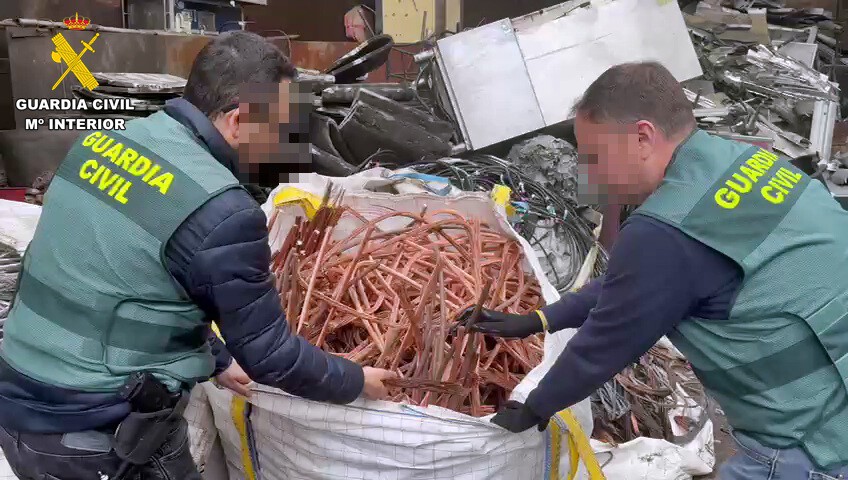
The thefts are not isolated to one town. Rural cemeteries across Ourense have been targeted, and the scale suggests an organized operation rather than opportunistic pilfering. The thieves appear to be specifically after the metal crucifixes, which are often made of brass or bronze—alloys that contain copper.
Why Are Copper Prices Driving Cemetery Thefts?
Copper is a key industrial metal, and its price has surged in recent months due to global demand and supply constraints. At record highs, even small amounts of copper-bearing scrap become valuable. A single crucifix might weigh only a few hundred grams, but across dozens of thefts, the haul adds up.
This isn't the first time high metal prices have fueled crime. In Spain and elsewhere, thieves have stripped copper wiring from railways, telephone lines, and construction sites. Cemeteries, however, are a particularly vulnerable target: they are often unguarded, especially in rural areas, and the thefts may go unnoticed for days.
Who Is Affected by the Cemetery Thefts?
The thefts have deeply affected local communities. For families, the stolen crucifixes represent more than just monetary loss—they are irreplaceable religious and sentimental artifacts. The woman in Celanova who first reported the crime expressed profound sadness, according to local media.
Local councils and church authorities are now facing pressure to improve security. Some cemeteries have installed cameras or increased patrols, but rural areas often lack the resources for such measures. The thefts also highlight a broader issue: the vulnerability of cultural heritage sites to metal theft.
What Are Authorities Doing?
Police have opened investigations into the thefts, but no arrests have been announced. Authorities suspect that the stolen metal is being sold to scrap dealers, possibly through illicit channels. In response, some scrap yards have been asked to be vigilant and report suspicious items.
The regional government of Galicia has condemned the thefts and called for a coordinated response. However, preventing future incidents will require a combination of increased security, community vigilance, and stricter regulation of the scrap metal trade. The background to this story is set out in Catalonia's Copper Theft Crisis: Criminal Code Reform Proposed. A related thread runs through Solar Farm Copper Theft in Spain: Organized Crime Targets Plants. Earlier coverage in Rookwood Cemetery Swamp: Families Demand Answers for Neglected Graves shows how the argument developed.
What to Watch Next
As copper prices remain high, the risk of similar thefts persists. Communities in other parts of Spain and Europe could face similar crimes if security is not improved. The case also underscores the need for better tracking of stolen metal and tougher penalties for those who profit from it. A closer look at the same subject appears in Queensland Police Probe $1.7M Sheep Theft from Farm. Anyone following the wider picture can start with Urban Bees Thrive: 5.5 Million Discovered in New York Cemetery. The same theme surfaces in Data Center Theft: The Dark Side of the AI Boom, which takes a different angle.
For now, families in Ourense are left to repair the damage and hope that the culprits are brought to justice. The thefts have cast a spotlight on the dark side of the global commodities boom—and the lengths to which some will go for a profit. Context on how this played out before sits in Spain's First Public Pet Cemetery Opens in Málaga as Demand Soars. A companion piece, NSW Water Theft Prosecution Doubts Over Licence Validity, approaches the same subject from another angle.
FAQ
What exactly was stolen from the cemeteries?
Thieves stole crucifixes and other religious figures made of metal, primarily from tombs in rural cemeteries in Ourense, Galicia. The figures are often made of brass or bronze, which contain copper.
Why are copper prices so high?
Copper prices have reached record highs due to strong global demand, supply chain disruptions, and speculative trading. This makes even small amounts of copper valuable to thieves.
How many thefts have been reported?
As of March 18, more than 70 crucifixes had been reported stolen from at least five cemeteries, according to Galicia Press. The number may continue to rise as more victims come forward.
What can be done to prevent these thefts?
Authorities recommend increased security in cemeteries, such as cameras and patrols, and stricter regulation of scrap metal dealers to trace stolen items. Community vigilance is also key.
Browse the Shop
 Acacia frida deluxe solid wood bed frame |
Bedroom bench |
Bed chest drawers |
Lingerie dresser |
Frame base |
Mirror with jewelry storage |
30 Bathroom Vanity |
Memory foam queen mattress |
Mattresses for back pain |
Nightstand set of 2 |
Grand Goldman Shop |
Civil Lawyer
Deutschland Trikot WM 2026







