

Dreame, the Chinese manufacturer best known for its robot vacuums, is making an ambitious play to conquer the streets with wearables. At IFA 2024, the company revealed plans to launch a smart ring and AI glasses by 2027, alongside a new action camera that will compete with DJI, Insta360, and GoPro. This strategic expansion from home robots to personal tech raises a key question: can a vacuum maker succeed in the crowded wearables market?
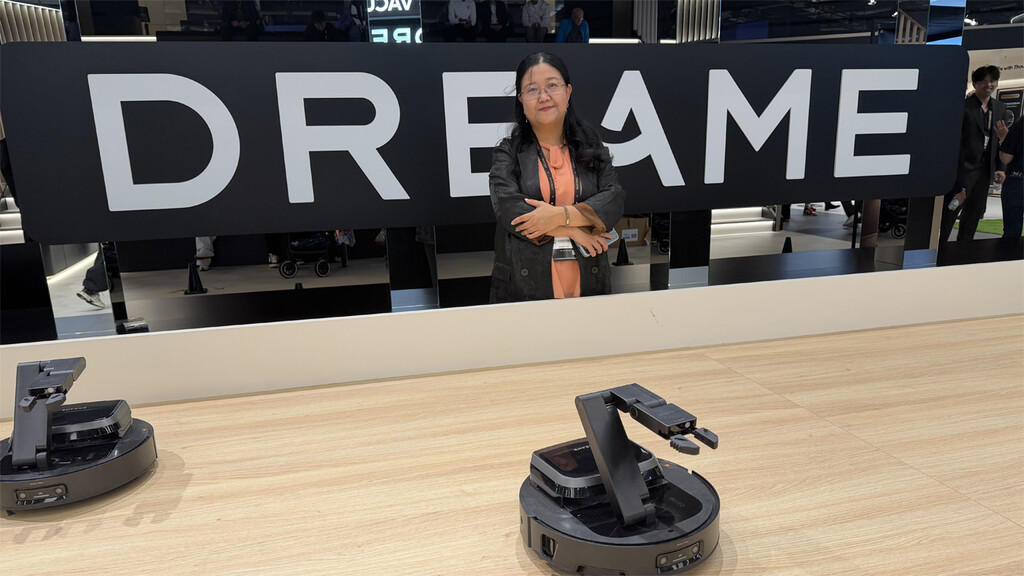
In an interview with Cristina Wei, Country Manager of Dreame Spain, we learned that the company's core expertise in high-speed digital motors is the common thread. With a background at Huawei and Xiaomi, Wei explains that Dreame's philosophy is to dominate one category and then expand into others by leveraging shared technology.
Find Original, High-end Home Decor that spark conversation at Grand Goldman Shop.
From Robot Vacuums to Wearables: Dreame's Core Strategy
At first glance, a robot vacuum company venturing into smart rings and AI glasses might seem like a random catalog expansion. But Wei argues it's pure engineering logic. "We always trust in building a category and then expanding to others. Every appliance must be renewed. The hair dryer works with the same high-speed motor as the robot vacuum. That technology is combinable and we transfer it from one product to another," she says.
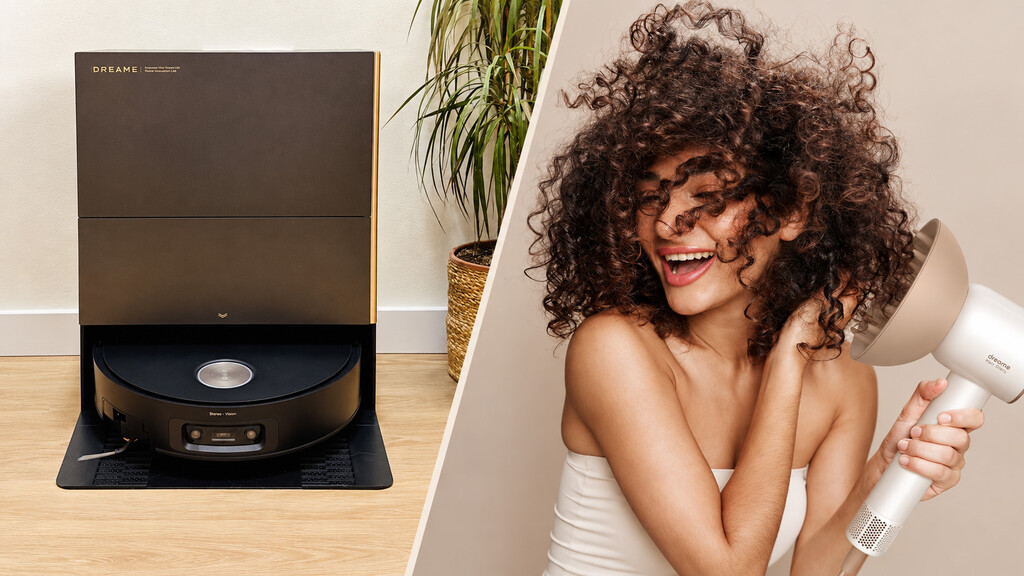
This approach has already proven successful. Dreame's Aqua20 Pro Ultra Roller X Complete, with 180-degree steam cleaning, showcases their dominance in home cleaning. Now, they are applying the same motor technology to action cameras, which require precise stabilization and high-speed processing.
Why High-Speed Motors Matter Across Product Lines
High-speed digital motors are the heart of many modern devices, from vacuums to drones. By mastering this component, Dreame can enter new markets without starting from scratch. This not only reduces R&D costs but also accelerates time-to-market. The action camera, for instance, benefits from the same motor technology that powers suction and airflow in vacuums, enabling better heat dissipation and battery efficiency.
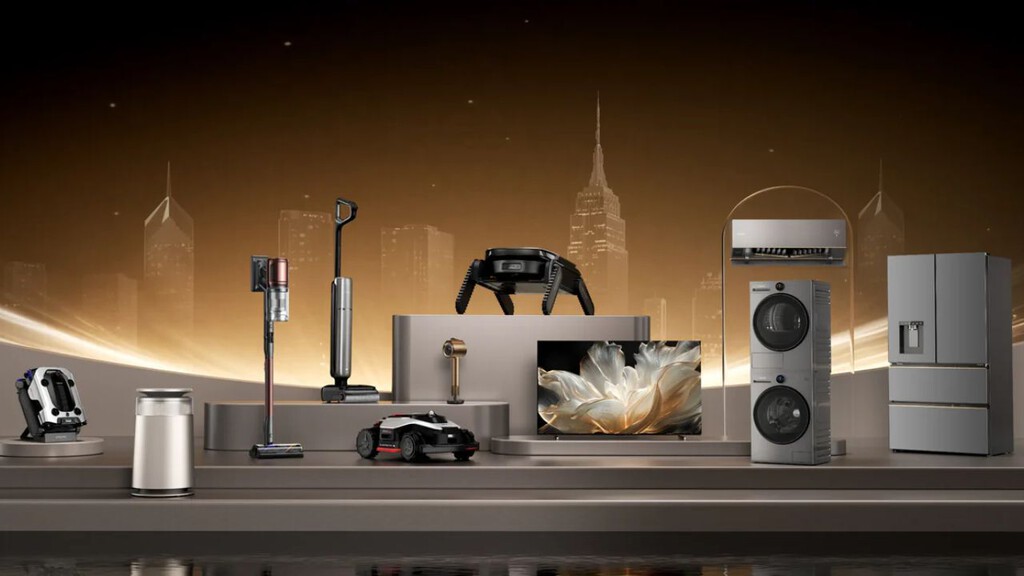
Moreover, Dreame's expertise in battery management and smart connectivity, honed through years of building IoT home appliances, gives it an edge in wearables. Smart rings and glasses require miniaturized components and low power consumption—areas where Dreame has deep knowledge.
The Action Camera: Dreame's First Step into Personal Tech
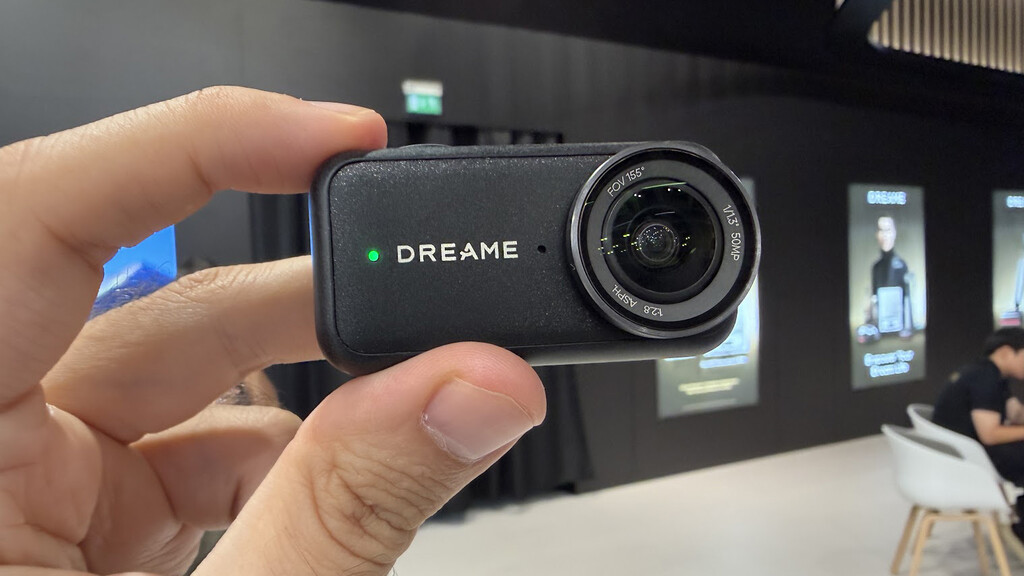
The action camera is Dreame's immediate foray into personal electronics, and it's aimed directly at established players like DJI, Insta360, and GoPro. While details are scarce, the camera is expected to leverage Dreame's motor technology for advanced stabilization and possibly unique features like automated cleaning of the lens (a nod to its vacuum heritage).
This move is strategic: action cameras are a growing market, especially among outdoor enthusiasts and content creators. By entering this space, Dreame tests the waters for its broader wearables ambition. Success here could pave the way for the smart ring and AI glasses, which are slated for 2027.
Smart Ring and AI Glasses: What to Expect
Dreame's smart ring will likely focus on health and fitness tracking, competing with the likes of Oura and Samsung. Given Dreame's background in home automation, the ring could integrate seamlessly with its ecosystem of smart home devices—imagine your ring adjusting room temperature or lighting based on your activity.
The AI glasses, described as similar to Ray-Ban Meta, will probably offer augmented reality features, voice assistance, and camera capabilities. Again, Dreame's motor expertise could enable advanced haptic feedback or auto-focus mechanisms. However, the wearables market is notoriously tough, with high failure rates and strong incumbents. Dreame will need to differentiate through unique features and aggressive pricing.
Key Takeaways from Dreame's Expansion
- Leveraging core technology: Dreame transfers its high-speed motor expertise from vacuums to action cameras and wearables.
- Phased approach: The action camera launches first, followed by smart ring and AI glasses in 2027.
- Direct competition: Dreame targets DJI, Insta360, and GoPro with its action camera, and Oura and Ray-Ban Meta with wearables.
- Ecosystem integration: Expect wearables to connect with Dreame's smart home devices for a seamless user experience.
- Proven leadership: Cristina Wei's experience at Huawei and Xiaomi brings strategic insight to Dreame's expansion.
Dreame vs. Competitors: A Comparison
| Product Category | Dreame's Offering | Key Competitors | Expected Launch |
|---|---|---|---|
| Robot Vacuums | Aqua20 Pro Ultra Roller X Complete | iRobot, Roborock | Available now |
| Action Cameras | Unnamed Dreame action camera | DJI, Insta360, GoPro | 2025 (expected) |
| Smart Rings | Dreame smart ring | Oura, Samsung | 2027 |
| AI Glasses | Dreame AI glasses | Ray-Ban Meta | 2027 |
What This Means for the Wearables Market
Dreame's entry signals a new trend: home appliance makers are no longer content with the living room. They want to be part of your daily life, from your wrist to your face. This convergence could lead to more integrated ecosystems, where your vacuum, ring, and glasses communicate to anticipate your needs. The background to this story is set out in Dreame Prime Day Deals: Save on Vacuums, Hair Tools and Fans. A related thread runs through Amazon Tech Deals September 18: TCL TV, Dreame Robot Vacuum. Earlier coverage in Oura Smart Ring Maker Files for Nasdaq IPO After Revenue Surge shows how the argument developed.
For consumers, this means more choices and potentially lower prices as competition heats up. However, it also raises privacy concerns, especially with AI glasses equipped with cameras. Dreame will need to address these proactively to gain trust. A closer look at the same subject appears in Dreame Vacuum Deals Arrive Early This Fall for a Cleaner Home. Anyone following the wider picture can start with Dreame L50 Ultra CE Robot Vacuum Drops to $449 With $150 Discount. The same theme surfaces in Dreame L40s Pro Ultra Robot Vacuum Hits Lowest Price on Amazon, which takes a different angle.
As 2027 approaches, watch for Dreame's action camera launch as a litmus test. If it gains traction, the smart ring and glasses could follow swiftly. The company's ability to innovate beyond vacuums will determine whether it becomes a true lifestyle brand or remains a niche player. Context on how this played out before sits in Dreame Aqua20 Pro Ultra Roller X Complete: 180°C Steam Mop Robot Now Available. A companion piece, Dreame Aqua 10 URC: The Robot That Truly Revolutionizes Floor Washing, approaches the same subject from another angle.
FAQ
When will Dreame launch its smart ring and AI glasses?
Dreame plans to launch its smart ring and AI glasses in 2027, according to Cristina Wei, Country Manager for Spain. The action camera is expected earlier, though no official date has been announced.
How does Dreame's motor technology apply to wearables?
Dreame's high-speed digital motors are used in vacuums for suction and in hair dryers for airflow. In wearables, similar motor technology could enable haptic feedback, auto-focus in glasses, or advanced stabilization in action cameras.
Will Dreame's smart ring compete with Oura and Samsung?
Yes, Dreame's smart ring is expected to enter the health and fitness tracking market, directly competing with Oura and Samsung. Its integration with Dreame's smart home ecosystem could be a key differentiator.
What is the biggest challenge for Dreame in wearables?
The wearables market is highly competitive with established brands and high failure rates. Dreame must differentiate through unique features, competitive pricing, and seamless ecosystem integration to succeed.
Browse the Shop
 Acacia frida deluxe solid wood bed frame |
Bedroom bench |
Bed chest drawers |
Lingerie dresser |
Frame base |
Mirror with jewelry storage |
30 Bathroom Vanity |
Memory foam queen mattress |
Mattresses for back pain |
Nightstand set of 2 |
Grand Goldman Shop |
Civil Lawyer
Deutschland Trikot WM 2026







