

Driving an electric car for the first time reveals immediate differences from a gas-powered vehicle. The instant torque, regenerative braking, and lack of a traditional gearbox transform the driving experience in ways that go beyond energy efficiency.
Instant Torque and No Gear Shifting
One of the most noticeable differences is the immediate delivery of torque. Unlike internal combustion engines, which need to build up power, electric motors deliver maximum torque from a standstill. This means quicker acceleration and a more responsive feel.
Find Original Home Decor sparking conversation at Grand Goldman Shop.

Additionally, electric cars typically have a single-speed transmission, so there's no gear shifting. The driving experience is smoother and quieter, with no engine revving or gear changes.
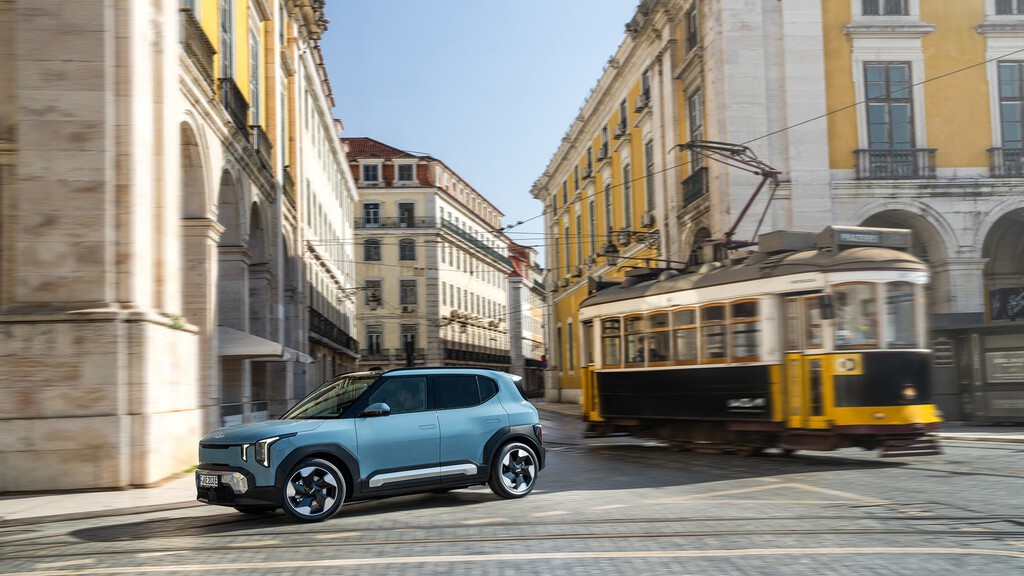
Regenerative Braking and One-Pedal Driving
Regenerative braking is another key difference. When you lift off the accelerator, the electric motor acts as a generator, slowing the car and recapturing energy to recharge the battery. This allows for "one-pedal driving" in many EVs, where you rarely need to use the brake pedal.
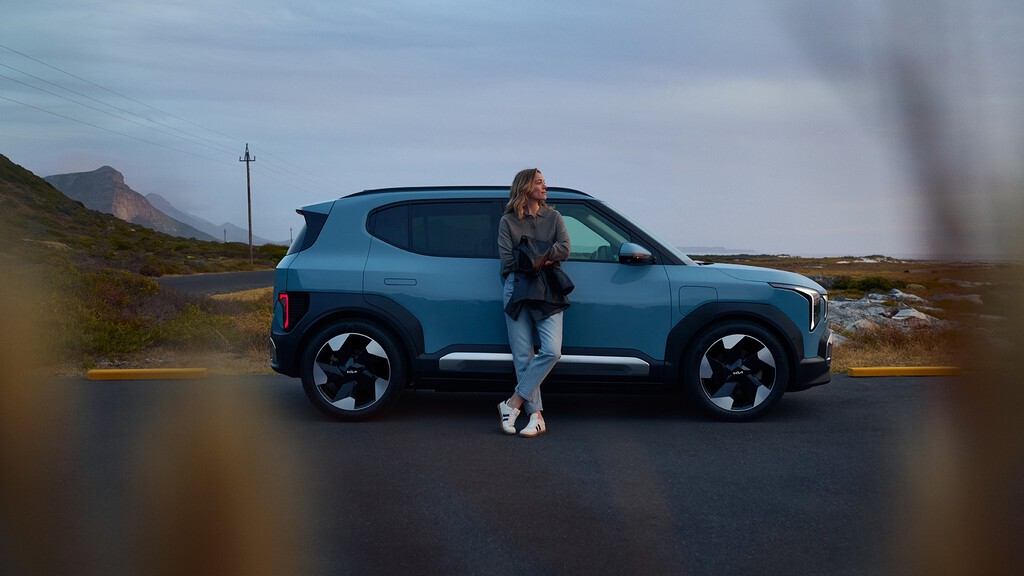
It takes some getting used to, but many drivers find it intuitive and efficient. The car slows down as soon as you release the accelerator, and you can often bring the vehicle to a complete stop without touching the brakes.
No More Handbrake on Hills
With instant torque and systems like hill-start assist, you don't need to rely on the handbrake to feel secure on slopes. The car holds itself in place, making hill starts effortless.
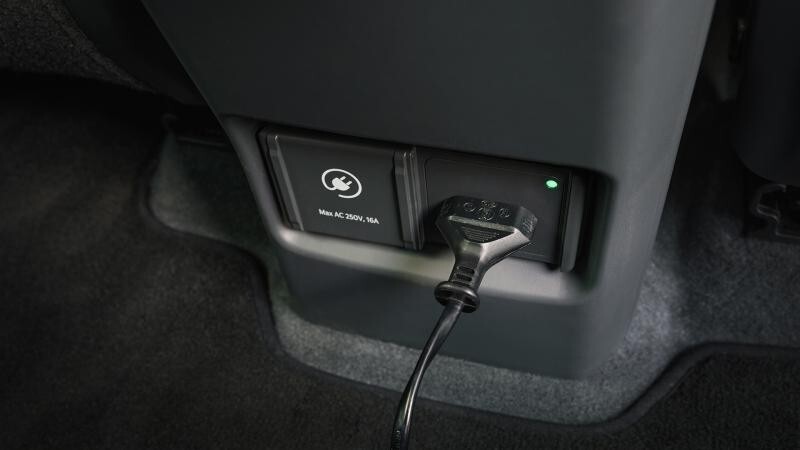
This is part of a broader suite of advanced driver assistance systems (ADAS) that are often standard on EVs, enhancing safety and convenience.
Quiet and Smooth Ride
Electric cars are much quieter than their gas counterparts. Without an engine, the cabin is serene, and you can hear the tires and wind more clearly. The smoothness of the ride is also enhanced by the lack of vibrations from an engine.
This quietness can be a double-edged sword; pedestrians may not hear you coming, so many EVs emit a warning sound at low speeds. The background to this story is set out in Electric Cars and Driving Pleasure: What Enthusiasts Need to Know. A related thread runs through Car Running Costs in 2026: Fuel vs Electric Compared. Earlier coverage in Electric Car Luxury Now Means Charging Without Cost Worries shows how the argument developed.
Charging and Range Considerations
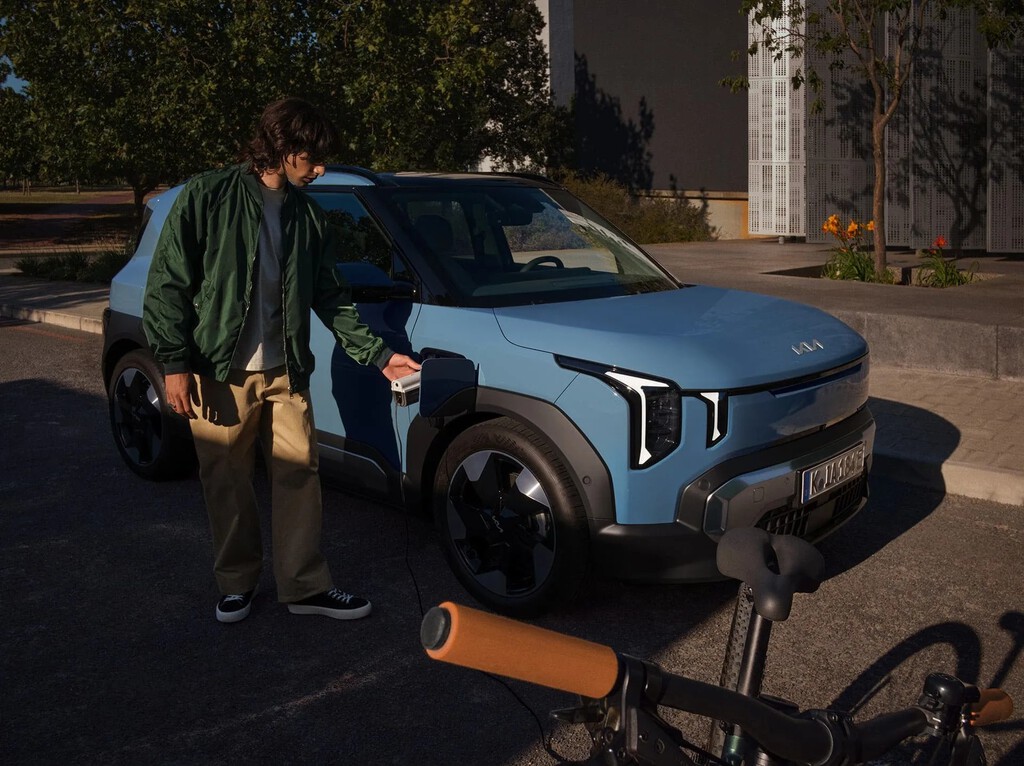
First-time EV drivers must also adapt to charging routines. Instead of visiting gas stations, you plug in at home or use public chargers. Planning longer trips requires considering charging stops and range. A closer look at the same subject appears in Leapmotor B05: The Electric Car for Driving Enthusiasts. Anyone following the wider picture can start with Driver Jailed for Faking Brake Failure in Electric Jaguar Scam. The same theme surfaces in Least Recommended Electric Car Brands by Owners in 2026, which takes a different angle.
However, with the growing charging infrastructure and faster chargers, this is becoming less of an issue. Many new EVs offer ranges exceeding 300 miles, making range anxiety a thing of the past for most daily driving. Context on how this played out before sits in DIY Pedal Power Generator Built from Recycled Parts. A companion piece, Ukrainian Drone Strikes Fuel Russia's Electric Car Boom, approaches the same subject from another angle.
Key Takeaways for First-Time EV Drivers
- Instant torque provides quick acceleration and a responsive feel.
- Regenerative braking enables one-pedal driving and improves efficiency.
- No gear shifting means a smoother, quieter ride.
- Hill-start assist eliminates the need for handbrake tricks on slopes.
- Charging habits change: plug in at home or plan charging stops on trips.
Comparison: Electric vs. Gas-Powered Cars
| Feature | Electric Car | Gas-Powered Car |
|---|---|---|
| Torque Delivery | Instant, from 0 RPM | Builds up with RPM |
| Transmission | Single-speed (no shifting) | Multi-speed (gear shifts) |
| Braking | Regenerative (recaptures energy) | Friction brakes (energy lost) |
| Noise | Very quiet | Engine noise and vibration |
| Hill Starts | Hill-start assist standard | May require handbrake |
| Charging/Refueling | Home or public charging | Gas stations |
FAQ
Is one-pedal driving safe?
Is one-pedal driving safe?
Yes, one-pedal driving is safe and increasingly common. The regenerative braking slows the car when you lift off the accelerator, and you can still use the brake pedal for emergency stops. It may take some practice, but it becomes intuitive.
Do electric cars have a handbrake?
Do electric cars have a handbrake?
Most electric cars have an electronic parking brake, but you rarely need it for hill starts because of hill-start assist and instant torque. The car holds itself on slopes, so you can drive off without rolling back.
Why are electric cars so quiet?
Why are electric cars so quiet?
Electric cars lack an internal combustion engine, which is the main source of noise and vibration in gas cars. The electric motor is nearly silent, so you only hear tire and wind noise. At low speeds, they emit a warning sound for pedestrians.
How does regenerative braking work?
How does regenerative braking work?
Regenerative braking uses the electric motor as a generator. When you lift off the accelerator, the motor resists rotation, slowing the car and converting kinetic energy into electricity, which is stored in the battery. This extends range and reduces brake wear.
Browse the Shop
 Acacia frida deluxe solid wood bed frame |
Bedroom bench |
Bed chest drawers |
Lingerie dresser |
Frame base |
Mirror with jewelry storage |
30 Bathroom Vanity |
Memory foam queen mattress |
Mattresses for back pain |
Nightstand set of 2 |
Grand Goldman Shop |
Civil Lawyer
Deutschland Trikot WM 2026







