

Favela tourism in Rio de Janeiro has become a controversial trend, with visitors flocking to communities like Vidigal and Rocinha in search of authenticity. Once associated with poverty and crime, these areas now attract thousands of tourists eager to experience a different side of the city.
But what does this mean for the residents and the future of travel? Let's delve into the phenomenon.
Find Original Home Decor sparking conversation at Grand Goldman Shop.

The Rise of Favela Tourism
For decades, Rio's favelas were off-limits to tourists, stigmatized by violence and poverty. But as international tourism in Brazil has grown, so has the desire for unique, off-the-beaten-path experiences.
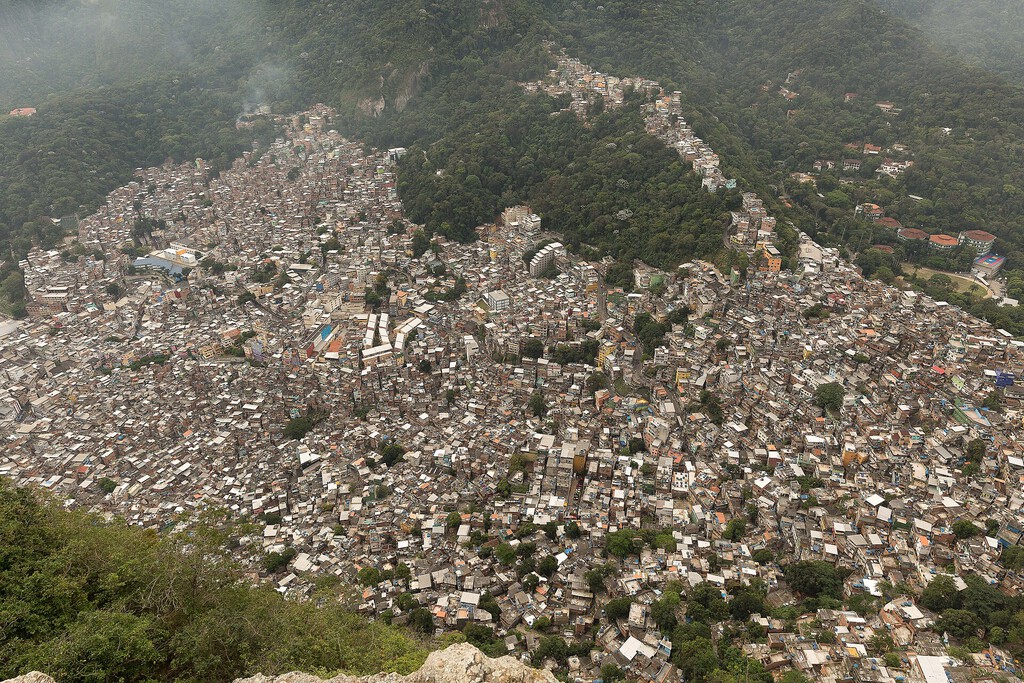
Today, guided tours through favelas are common, offering visitors a glimpse into the daily lives of residents. Social media has fueled the trend, with influencers filming themselves on rooftops in Rocinha, showcasing breathtaking views and vibrant street art.
This shift has turned favelas into a new frontier for tourism, but not without raising eyebrows.
Why Travelers Are Drawn to Favelas
The appeal is multifaceted. For many, it's about escaping the artificiality of heavily touristed areas like Copacabana and Ipanema. Favelas offer a raw, unfiltered look at Brazilian culture.
Additionally, the sense of adventure and the opportunity to interact with locals in a meaningful way are strong draws. Some tours are led by residents themselves, providing income and empowerment.
However, the line between cultural exchange and voyeurism is thin.
The Authenticity Paradox
Travelers often seek "authentic" experiences, but what does authenticity mean in a place that has been marginalized for so long? Critics argue that turning poverty into a spectacle can be dehumanizing.
Residents have mixed feelings. Some welcome the economic benefits, while others feel their privacy is invaded.
Economic Impact and Community Response
Tourism brings money into the communities, supporting local businesses and creating jobs. But the distribution of profits is uneven, and many residents see little benefit.
Community-based tourism initiatives aim to change this by ensuring that tours are run by locals and that a fair share of revenue stays in the favela.
Still, the influx of outsiders can drive up prices and contribute to gentrification.
Ethical Considerations for Travelers
If you're considering a favela tour, it's crucial to choose responsibly. Opt for tours operated by residents or organizations that give back to the community.
Avoid any tour that feels like a human zoo. Respect people's privacy and ask before taking photos.
Remember that favelas are not just tourist attractions; they are home to millions of people.
What to Look for in a Responsible Tour
- Led by local guides who live in the community
- Focuses on culture, history, and social projects
- Small group sizes to minimize disruption
- Clear policy on photography and interaction
- Contributes to community development funds
Comparing Favela Tours to Other Immersive Experiences
Favela tourism is not unique to Rio. Slum tourism exists in India, South Africa, and other parts of Latin America. But the scale and visibility in Rio are notable.
When done right, such tours can challenge stereotypes and foster understanding. When done poorly, they reinforce inequality. Context on how this played out before sits in Favela Tourism in Rio: Authenticity or Exploitation.
| Aspect | Positive Impact | Negative Impact |
|---|---|---|
| Economic | Job creation, local business support | Uneven profit distribution, gentrification |
| Social | Cultural exchange, breaking stereotypes | Invasion of privacy, voyeurism |
| Environmental | Incentive for infrastructure improvements | Waste and overcrowding |
The Future of Favela Tourism
As the trend grows, regulation and community consent will be key. Some favelas have implemented tourism committees to manage visitor impact. The background to this story is set out in Humpback Whale Watching Rio: Tourism Impact on Recovery. A related thread runs through Rio Favela Food Tour Rewrites Business Story of Maré.
Travelers have a role to play by being mindful and choosing ethical options. The future of favela tourism depends on a balance between curiosity and respect. Earlier coverage in Trending: latest articles shows how the argument developed. A closer look at the same subject appears in Guadix Cave Houses: Europe's Climate Refuge for Tourists.
Ultimately, the question is whether tourism can be a force for good in marginalized communities. The answer lies in how it's managed. Anyone following the wider picture can start with Japan's Hotel Staffing Crisis: A Natural Brake on Overtourism. The same theme surfaces in China's Factory Tours: See Robots, EVs, and AI Up Close, which takes a different angle.
FAQ
Is it safe to visit a favela in Rio?Safety varies by favela and tour operator. Choose reputable guides and avoid going unaccompanied. Many favelas are now pacified, but it's essential to follow local advice.
What should I wear on a favela tour?Wear comfortable clothing and shoes suitable for walking on uneven terrain. Avoid flashy jewelry or expensive items. Respect local customs by dressing modestly.
Can I take photos in a favela?Always ask for permission before photographing people. Some areas may be sensitive due to security concerns. Follow your guide's instructions and be respectful.
How can I ensure my visit benefits the community?Choose tours operated by local residents or NGOs that reinvest in the community. Avoid tours that exploit poverty for entertainment. Ask how the money is distributed.
Browse the Shop
 Acacia frida deluxe solid wood bed frame |
Bedroom bench |
Bed chest drawers |
Lingerie dresser |
Frame base |
Mirror with jewelry storage |
30 Bathroom Vanity |
Memory foam queen mattress |
Mattresses for back pain |
Nightstand set of 2 |
Grand Goldman Shop |
Civil Lawyer
Deutschland Trikot WM 2026







