

France has restricted alcohol consumption during a record-breaking heatwave, a controversial move aimed at protecting public health as temperatures soar across Europe. The decision comes as many regions face red alerts for extreme heat, with thermometers climbing above 40°C in some areas.
While it might seem counterintuitive to limit beer, wine, and cocktails when people traditionally reach for a cold drink to beat the heat, authorities argue that alcohol poses serious risks during such conditions. This article explores what happened, why it matters, and what to watch next.
Find Original Home Decor sparking conversation at Grand Goldman Shop.

What Happened: France's Alcohol Restrictions
As the summer of 2026 kicked off with blistering temperatures, French authorities declared war on alcohol. With dozens of regions under red alert for extreme heat, they imposed limits on the sale and consumption of alcoholic beverages.
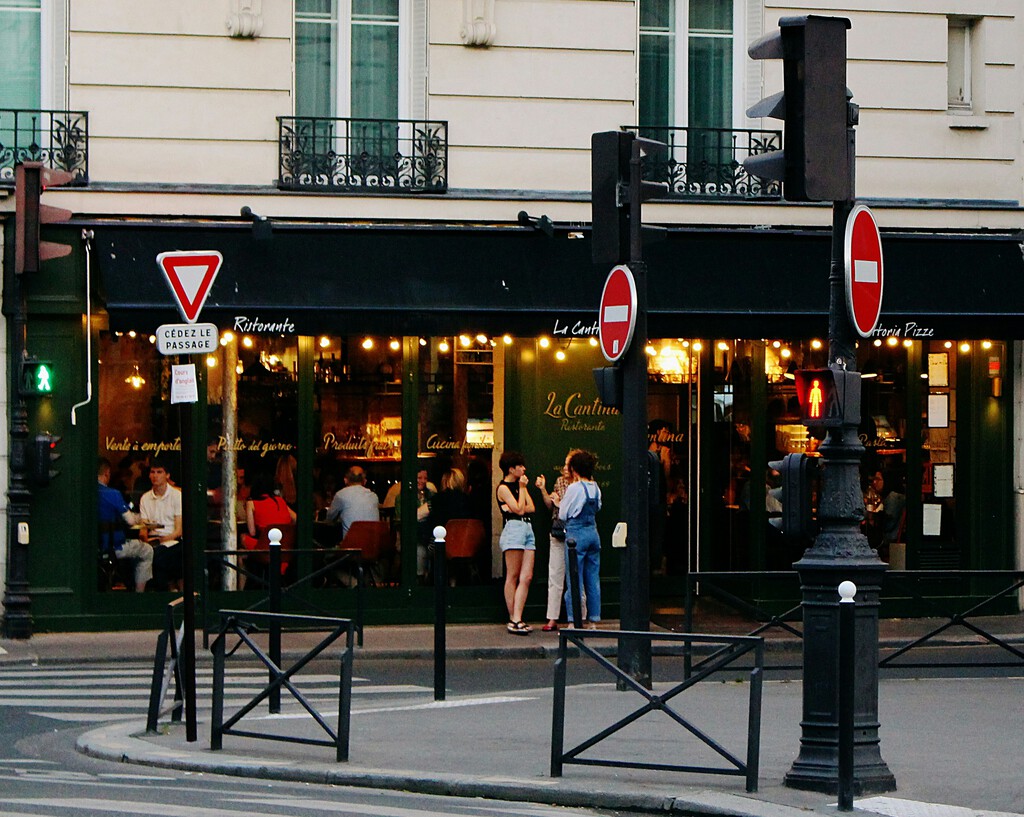
The restrictions target beer, wine, and cocktails, though specific details on enforcement and penalties remain sparse. The move is part of a broader effort to prevent heat-related illnesses and deaths, following warnings from health experts.
Why It Matters: The Dangers of Alcohol in Extreme Heat
Alcohol is a diuretic, meaning it increases urine production and can lead to dehydration—a critical concern when the body is already struggling to regulate temperature. It also impairs the body's ability to sweat and cool down, raising the risk of heat exhaustion and heatstroke.
Moreover, alcohol can cloud judgment, making people less likely to recognize early signs of heat-related illness. In a heatwave, these effects can be deadly, especially for vulnerable populations like the elderly and those with pre-existing conditions.
Europe's Sweltering Summer: A Regional Crisis
The heatwave isn't confined to France. Spain has seen temperatures exceed 40°C in multiple locations, while Germany, Italy, the UK, and Belgium have all experienced temperatures above 30°C. The extreme heat has already forced the cancellation of sporting events, disrupted rail services, and triggered health alerts.
Authorities are desperate to avoid a repeat of 2023, when a severe heatwave caused over 62,000 deaths across Europe. In Madrid, for instance, officials suspended outdoor activities to protect residents.
Key Takeaways from France's Decision
- France restricts alcohol sales during extreme heat to prevent dehydration and heat-related illnesses.
- Alcohol impairs the body's cooling mechanisms and can mask symptoms of heat exhaustion.
- The move is part of a wider European effort to combat the health impacts of record temperatures.
- Similar measures could be adopted by other countries as heatwaves become more frequent.
- Travelers should be aware of local restrictions and prioritize hydration with water and electrolytes.
How Alcohol Restrictions Compare Across Europe
| Country | Alcohol Restrictions During Heatwaves | Enforcement Level |
|---|---|---|
| France | Limits on sale and consumption in red-alert regions | High (local authorities) |
| Spain | No nationwide restrictions; local advisories | Low (recommendations only) |
| Italy | Public health campaigns; no bans | Low (awareness) |
| Germany | No specific restrictions | None |
As the table shows, France is taking a more proactive approach than its neighbors, though enforcement may vary by region. The background to this story is set out in UK Heatwave 2024: Fourth Heatwave Sparks Health Alerts. A related thread runs through Southern California Heatwave Breaks October Records. Earlier coverage in UK Heatwave Alert: 4th Heatwave Hits Britain, Fire Chiefs Appeal shows how the argument developed.
What to Watch Next
With climate change driving more frequent and intense heatwaves, expect other countries to consider similar measures. The effectiveness of France's restrictions will be closely watched, and could set a precedent for public health policy during extreme weather. A closer look at the same subject appears in Europe Heatwave Record Temperatures Drought Fears Italy. Anyone following the wider picture can start with South Korea Heatwave: Highest Temperature Ever Recorded. The same theme surfaces in UK Heatwave Health Alert: Britain Braces for Fourth Heatwave of, which takes a different angle.
For now, if you're traveling in France or elsewhere in Europe during a heatwave, follow local guidance, stay hydrated, and avoid alcohol to reduce your risk. Context on how this played out before sits in Time-Restricted Eating May Reduce Cognitive Decline in Seniors. A companion piece, Restricted Eating Hours May Reduce Cognitive Decline in Older Age, approaches the same subject from another angle.
FAQ
Why did France restrict alcohol during the heatwave?
France restricted alcohol to prevent dehydration and heat-related illnesses, as alcohol impairs the body's cooling mechanisms and can lead to dangerous health outcomes during extreme heat.
Does alcohol really increase the risk of heatstroke?
Yes, alcohol is a diuretic that promotes fluid loss and can impair sweating, making it harder for the body to cool down. It also clouds judgment, so people may not recognize early warning signs of heat exhaustion.
Are these restrictions permanent or only during heatwaves?
The restrictions are temporary and tied to red-alert heatwave conditions. They are likely to be lifted once temperatures return to normal, but similar measures could recur in future heatwaves.
How can I stay safe if I'm traveling in Europe during a heatwave?
Stay hydrated with water and electrolytes, avoid alcohol, seek air-conditioned spaces, and follow local health advisories. Check for any restrictions on alcohol sales in your area.
Browse the Shop
 Acacia frida deluxe solid wood bed frame |
Bedroom bench |
Bed chest drawers |
Lingerie dresser |
Frame base |
Mirror with jewelry storage |
30 Bathroom Vanity |
Memory foam queen mattress |
Mattresses for back pain |
Nightstand set of 2 |
Grand Goldman Shop |
Civil Lawyer
Deutschland Trikot WM 2026







