

Gen Z tech founders in Silicon Valley are abandoning alcohol in favor of extreme work schedules, with some logging 92-hour workweeks. This shift marks a dramatic departure from the party culture that once defined the startup scene.
According to a Wall Street Journal report, young entrepreneurs are prioritizing company-building over socializing, following the example of tech titans like Mark Zuckerberg, Elon Musk, Sam Altman, and Bryan Johnson. The new mantra: why go to a bar when you could be building a company?
Find Original Home Decor sparking conversation at Grand Goldman Shop.

The Sober Shift in Silicon Valley
Data shows that alcohol consumption among Gen Z is declining, and in Silicon Valley's startup incubators, not drinking is becoming the norm rather than the exception. Emily Yuan, a young founder, told the Journal, "Why go to a bar if I can be creating a company?"
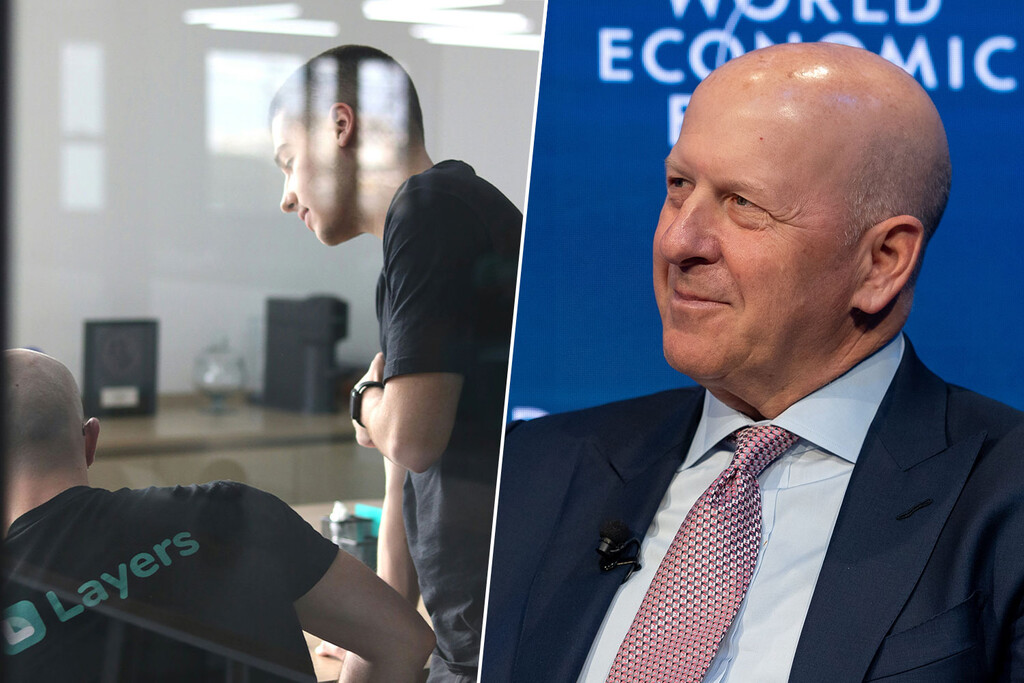
This sobriety trend is partly driven by the desire for peak performance. Many young founders view alcohol as counterproductive to the cognitive demands of building a startup. Instead, they opt for networking events that focus on productivity and wellness.
The 92-Hour Workweek Mentality
Marty Kausas, 28, founder of startup Pylon, shared on LinkedIn that he worked 92-hour weeks for several consecutive weeks and even canceled his vacation because work stress made it impossible to relax. His confession sparked debate about the glorification of overwork in tech.
Kausas later clarified that his company does not expect such hours from employees, but his story illustrates the extreme dedication many young founders feel is necessary to succeed. The line between passion and burnout is increasingly blurred.
Why This Matters
This phenomenon affects not only the founders but also the broader startup ecosystem and the employees who join these companies. It raises questions about sustainable work practices, mental health, and the true cost of innovation.
- Declining alcohol consumption: Gen Z is drinking less, and Silicon Valley incubators are seeing sobriety as the new normal.
- Extreme work hours: Some founders boast of 92-hour workweeks, viewing overwork as a badge of honor.
- Role models matter: Tech leaders like Musk and Altman set examples of prioritizing work over leisure.
- Mental health concerns: The pressure to outperform can lead to burnout and stress, as seen in Kausas's canceled vacation.
- Shifting social norms: Networking is increasingly centered around productivity rather than partying.
Comparing Work Hours and Alcohol Trends
| Aspect | Traditional Silicon Valley | Gen Z Founders |
|---|---|---|
| Work hours | Standard 40-60 hours | Up to 92 hours |
| Alcohol consumption | Common at parties | Declining, often avoided |
| Socializing | Bar crawls, happy hours | Productivity-focused events |
| Role models | Steve Jobs, Bill Gates | Elon Musk, Sam Altman, Bryan Johnson |
What to Watch Next
As this trend continues, it will be important to monitor whether these extreme work habits lead to sustainable success or widespread burnout. The tech industry's obsession with productivity may need a recalibration. The background to this story is set out in Silicon Valley Parents Push to Limit Tech in Schools. A related thread runs through Tech Bros Rise: A Warning on Silicon Valley Fascism. Earlier coverage in Silicon Valley AI Experts Prep for Tech Apocalypse Survival shows how the argument developed.
For those following startup culture, the intersection of technology and lifestyle choices is worth watching. Just as Gen Z is redefining work, they are also reshaping consumer habits—like the popularity of affordable tech gadgets such as Aldi's $7.99 Bluetooth speaker, which offers a compact, clip-and-magnet mount for on-the-go listening. This frugality aligns with the minimalist ethos of many young founders. A closer look at the same subject appears in China's Tech Advances Disrupt Silicon Valley and White House. Anyone following the wider picture can start with Record $70M Silicon Valley Mansion Tied to AI Scientist. The same theme surfaces in Datacenter Backlash Splits Conservatives and Silicon Valley, which takes a different angle.
Moreover, the shift away from alcohol has implications for the hospitality industry, with more sober-friendly events and spaces emerging. It's a cultural shift that extends beyond Silicon Valley. Context on how this played out before sits in Bernie Sanders Urges AI Pause: Silicon Valley Faces Regulation. A companion piece, Gen Z Marriage and Divorce Trends: A Sensible Shift, approaches the same subject from another angle.
FAQ
Why are Gen Z founders in Silicon Valley drinking less alcohol?
Many Gen Z founders view alcohol as detrimental to productivity and cognitive performance. They prioritize building their companies over socializing, and sobriety is becoming a status symbol in startup incubators.
Is working 92 hours a week common in Silicon Valley startups?
While not the norm, some founders like Marty Kausas have publicly shared such extreme schedules. It's often seen as a badge of honor among a subset of highly driven entrepreneurs, though it raises concerns about burnout.
How does this trend affect employees at these startups?
It can create pressure to overwork, but some founders like Kausas clarify that they don't expect employees to match their hours. Still, the culture can influence work-life balance and mental health.
What role do tech leaders like Elon Musk play in this shift?
Leaders like Musk, Zuckerberg, and Altman set examples by prioritizing their companies above social lives. Their visible dedication inspires young founders to adopt similar intense work ethics and sober lifestyles.
As the startup world evolves, the balance between hustle and health will remain a critical conversation. For now, Gen Z is making its mark by redefining success on its own terms—sober, focused, and relentlessly driven.
Browse the Shop
 Acacia frida deluxe solid wood bed frame |
Bedroom bench |
Bed chest drawers |
Lingerie dresser |
Frame base |
Mirror with jewelry storage |
30 Bathroom Vanity |
Memory foam queen mattress |
Mattresses for back pain |
Nightstand set of 2 |
Grand Goldman Shop |
Civil Lawyer
Deutschland Trikot WM 2026







