

Greece has a legal trick up its sleeve to protect its beaches from overtourism, and it's finally putting it to use. The Greek government has designated around 250 beaches as "pristine" or "untouched," banning commercial activities like sunbed rentals and loud music to preserve their natural state.
This move comes as Greece grapples with the paradox of being one of the world's most popular destinations while trying to avoid the pitfalls of mass tourism that have plagued other Mediterranean countries.
Find Original Home Decor sparking conversation at Grand Goldman Shop.

Why Greece Is Protecting Its Beaches
Greece's allure is undeniable: Mediterranean climate, rich history, delicious cuisine, and stunning coastlines draw millions of visitors annually. But this popularity has a downside—overcrowding and environmental degradation.
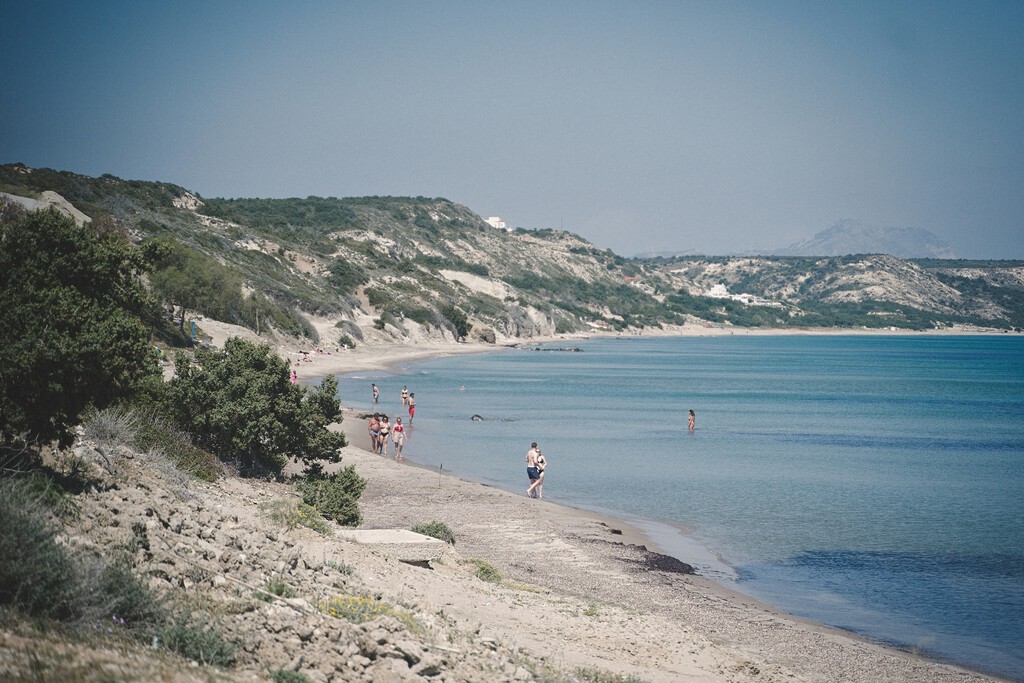
The government recognizes that its beaches are a critical asset and is taking proactive steps to prevent them from being loved to death. By setting aside these 250 beaches as "pristine," Greece aims to balance tourism with conservation.
What the 'Pristine Beaches' Designation Means
On these protected beaches, a range of restrictions apply to keep them as natural as possible. Here's what you won't find:
- No rental of sunbeds and umbrellas
- No new bars or music equipment with speakers
- No events with more than ten participants
- No jet skis or other motorized water sports
Essentially, these beaches remain open to the public for swimming and sunbathing, but without the commercial trappings that characterize more developed tourist spots.
How This Compares to Other Countries
Greece isn't alone in fighting overtourism. Italy, France, the Netherlands, Japan, and Spain have all implemented measures to manage visitor numbers and protect natural sites. However, Greece's approach is unique in its focus on beach preservation through legal designation.
| Country | Measure | Impact |
|---|---|---|
| Greece | 250 beaches designated as 'pristine' with bans on sunbeds, loud music, and events | Preserves natural beach environments, limits commercialization |
| Italy | Restrictions on cruise ships in Venice, limits on tourist access to certain areas | Reduces overcrowding and environmental damage |
| France | Limits on visitor numbers to popular sites like Mont Saint-Michel | Protects heritage sites from degradation |
| Netherlands | Campaigns to discourage mass tourism in Amsterdam | Shifts tourism to less crowded areas |
| Japan | Limits on visitors to Kyoto's geisha districts | Preserves cultural traditions and local quality of life |
What This Means for Travelers
If you're planning a trip to Greece, you'll need to adjust your expectations for these protected beaches. You won't be able to rent a sunbed or umbrella, so bring your own supplies if you want comfort. The longer history behind the story is traced in Venice Tourist Entry Fee Doubles to €10 for 2025 and Expands.
Also, be prepared for a more serene atmosphere—no blasting music or jet skis. These beaches are ideal for those seeking tranquility and a closer connection to nature. The background to this story is set out in Galapagos Islands Face Overtourism as Airbnb Rentals Surge. A related thread runs through Japan's Hotel Staffing Crisis: A Natural Brake on Overtourism. Earlier coverage in Europe Tourism Map Reveals Overtourism Pressure on 10% of Territory shows how the argument developed.
The Broader Impact on Greek Tourism
This initiative is part of a larger strategy to promote sustainable tourism in Greece. By protecting these beaches, the government hopes to maintain the country's appeal while preventing the negative effects of mass tourism. A closer look at the same subject appears in Marseille Overtourism: France's New Capital of Travel. Anyone following the wider picture can start with Big Sur Overtourism Crisis: Wildfires and Tourist Deaths. The same theme surfaces in Limpets at Risk: Teach Kids to Protect Beach Life This Summer, which takes a different angle.
It also signals to travelers that Greece values its natural heritage and is willing to take bold steps to preserve it. This could attract a more conscientious type of visitor who appreciates and respects these efforts. Context on how this played out before sits in Overtourism in Europe: Map Reveals Mediterranean Spain Hotspots. A companion piece, The release of iOS 26 has started in Greece!, approaches the same subject from another angle.
FAQ
What are 'pristine beaches' in Greece?
Pristine beaches are around 250 coastal areas designated by the Greek government as protected, where commercial activities like sunbed rentals, loud music, and large events are banned to preserve their natural state.
Can I still visit these beaches?
Yes, these beaches remain open to the public for swimming and sunbathing, but you'll need to bring your own umbrellas and supplies as rentals are not available.
Why is Greece implementing these restrictions?
Greece aims to combat overtourism and protect its natural landscapes from degradation, ensuring that its beaches remain unspoiled for future generations.
Are there similar initiatives in other countries?
Yes, many countries like Italy, France, and Japan have implemented measures to manage tourism and protect natural and cultural sites, though Greece's beach-specific approach is notable.
Browse the Shop
 Acacia frida deluxe solid wood bed frame |
Bedroom bench |
Bed chest drawers |
Lingerie dresser |
Frame base |
Mirror with jewelry storage |
30 Bathroom Vanity |
Memory foam queen mattress |
Mattresses for back pain |
Nightstand set of 2 |
Grand Goldman Shop |
Civil Lawyer
Deutschland Trikot WM 2026







