

Japan's new 12,000-ton Aegis warship is a floating missile shield designed to counter growing threats from China and North Korea. After canceling its land-based Aegis Ashore batteries, Tokyo shifted its defense strategy to the sea, creating a massive surface combatant that dwarfs existing destroyers.
Why Japan Needed a Floating Missile Shield
Japan faced a deteriorating security environment. China, North Korea, and Russia are accumulating increasingly sophisticated ballistic, cruise, and hypersonic missiles. The original plan to deploy two Aegis Ashore complexes on land was scrapped, forcing Japan to find an alternative.
Find Original Home Decor sparking conversation at Grand Goldman Shop.

The solution: two Aegis System Equipped Vessels (ASEV) that would carry the same defensive power but on mobile, survivable platforms. These ships represent a significant leap in Japan's maritime capabilities.
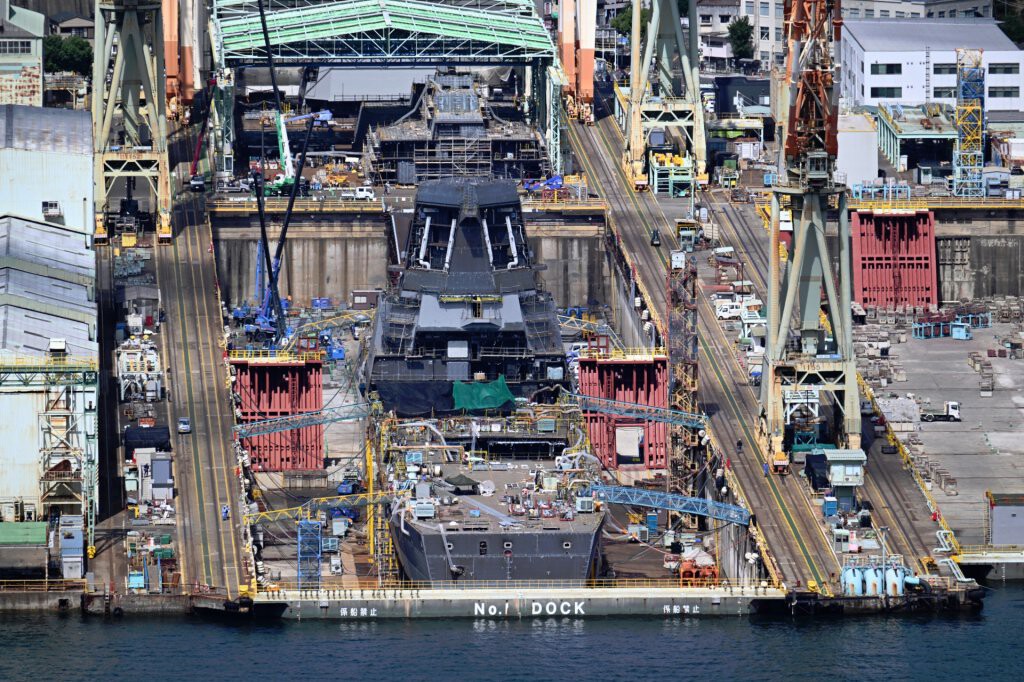
The Scale of the Monster: 12,000 Tons and 128 Cells
The first ASEV is under construction at Mitsubishi Heavy Industries in Nagasaki. It will be one of Japan's largest post-war surface combatants, with a length of about 189 meters, a beam of 25 meters, and a standard displacement of 12,000 tons.
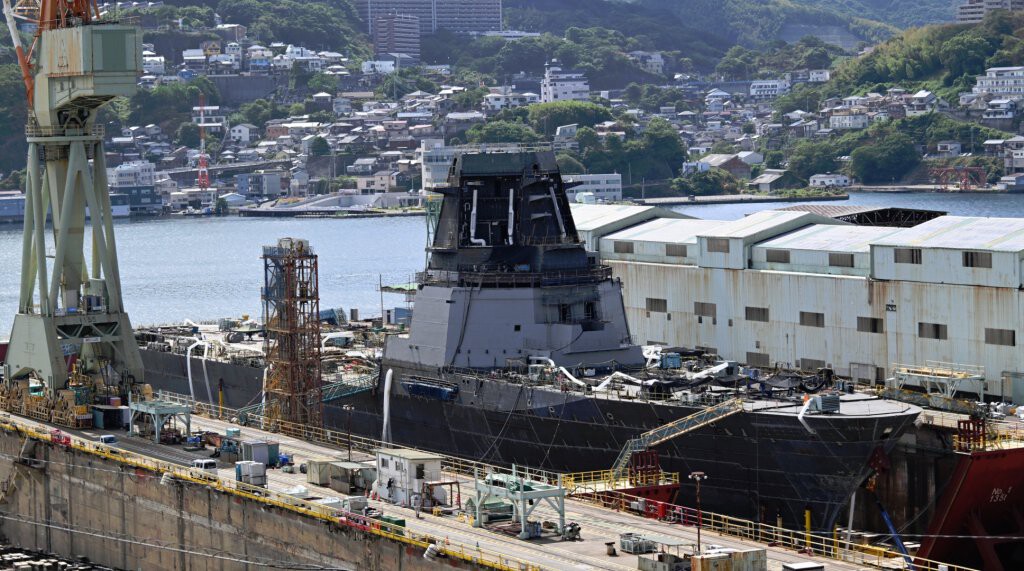
For comparison, Japan's current Maya-class destroyers displace about 8,200 tons and measure around 170 meters. The ASEV is significantly larger and carries more missile cells than a U.S. Arleigh Burke-class destroyer.
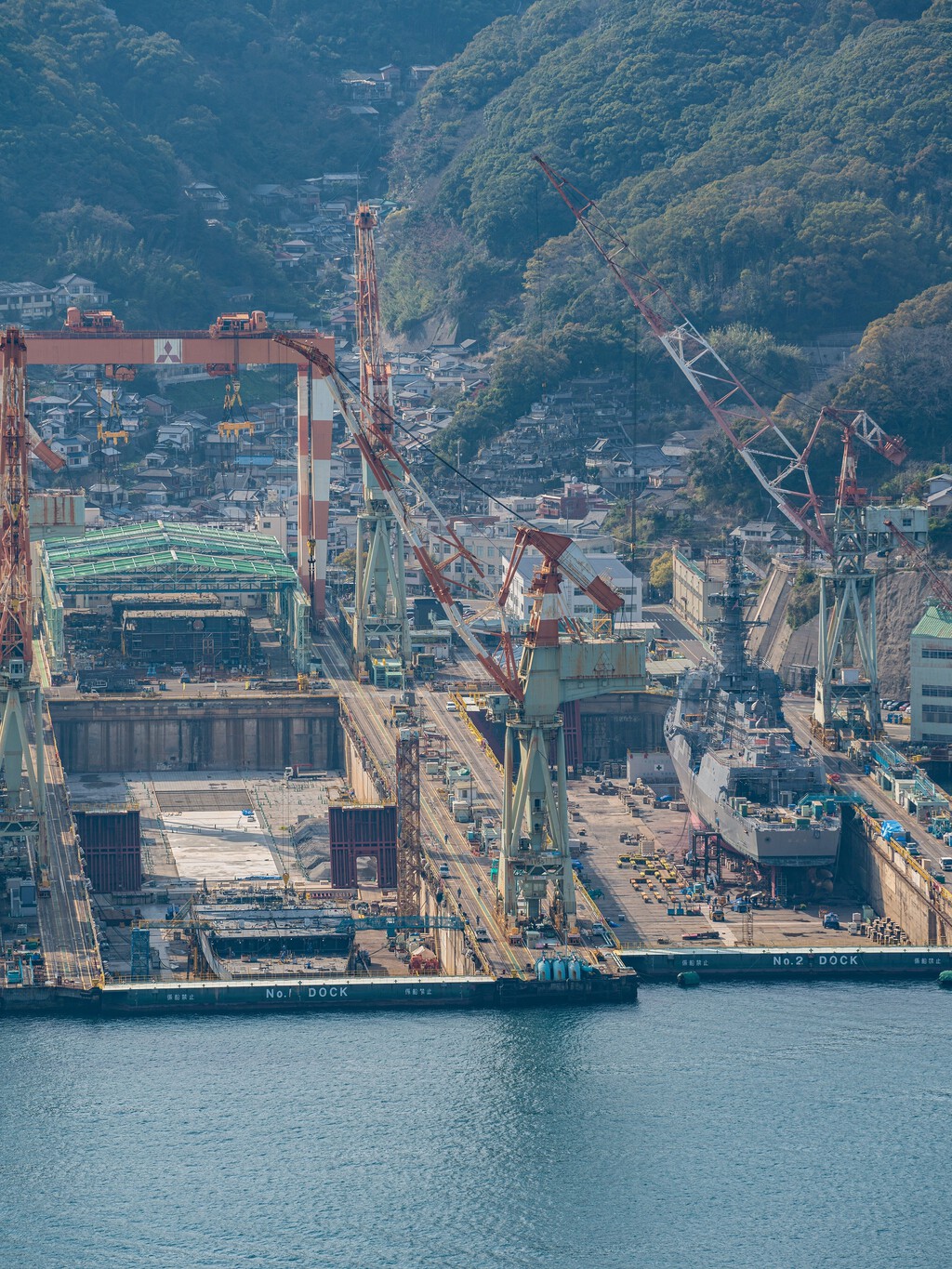
- Displacement: 12,000 tons (standard) vs. 8,200 tons for Maya-class
- Length: 189 meters vs. 170 meters for Maya-class
- Missile cells: 128 (more than an Arleigh Burke)
- Builder: Mitsubishi Heavy Industries, Nagasaki
- First ship delivery: By March 2028
Construction Timeline and Delivery
Construction of the first ASEV began in July 2025. Japan aims to commission it before the end of fiscal year 2027, which is March 2028. The second ship, started in Yokohama in February 2026, should follow in the next fiscal year.
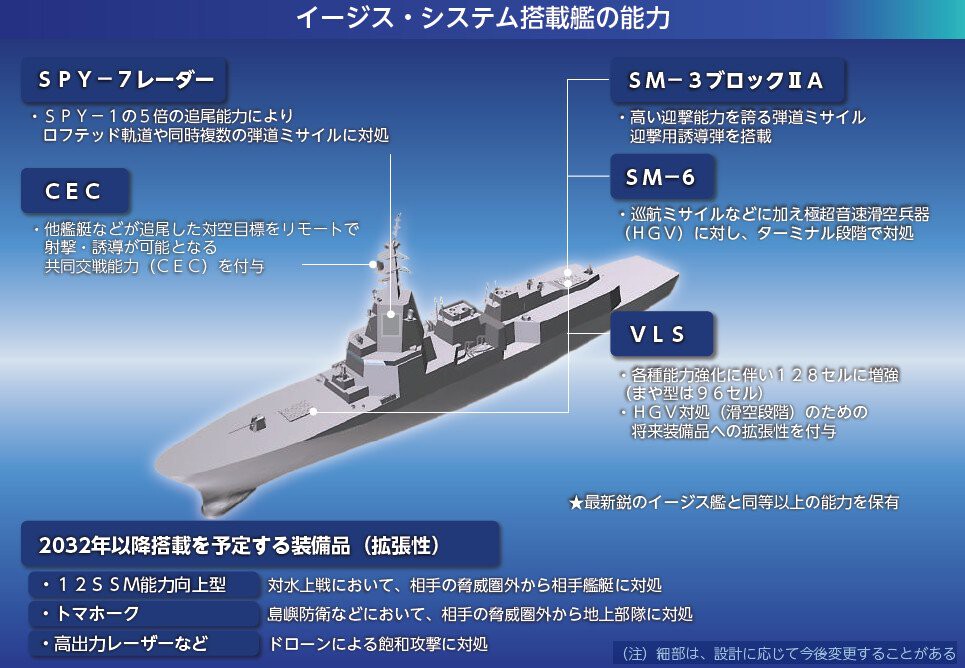
These ships are not just bigger destroyers; they are dedicated ballistic missile defense platforms, equipped with powerful radars and interceptors.
What the Aegis System Equipped Vessel Carries
The ASEV will be equipped with the Aegis combat system, including the SPY-7 radar, which is more capable than earlier versions. It will carry SM-3 Block IIA interceptors for ballistic missile defense and SM-6 missiles for air defense.
With 128 vertical launch system cells, the ship can carry a large number of interceptors, providing a persistent defensive umbrella over Japan.
| Specification | ASEV | Maya-class Destroyer | Arleigh Burke-class (Flight III) |
|---|---|---|---|
| Displacement (standard) | 12,000 tons | 8,200 tons | ~9,700 tons |
| Length | 189 m | 170 m | 155 m |
| Missile cells | 128 | 96 | 96 |
| Radar | SPY-7 | SPY-1D | SPY-6 |
Who Is Affected and What It Means for the Region
This development directly affects the balance of power in the Indo-Pacific. Japan's neighbors, particularly China and North Korea, will view these ships as a significant enhancement of Japan's defensive capabilities.
For the United States, Japan's ASEVs are a welcome addition to allied missile defense, complementing U.S. Aegis destroyers in the region. The background to this story is set out in Patriot Missile Shortage Threatens Ukraine's Air Defense. A related thread runs through 8,000 Volunteers Pull 360-Ton Japanese Castle in Hirosaki. Earlier coverage in Nato Urgently Boosts Ukraine Air Defenses Amid Russian Missile shows how the argument developed.
What to Watch Next
The first ASEV is scheduled for delivery by March 2028, with the second following a year later. Keep an eye on sea trials and the integration of the SPY-7 radar, which will be a key milestone. A closer look at the same subject appears in NATO Defense Measures After Russian Missile in Poland. Anyone following the wider picture can start with UK Iron Dome: Badenoch Calls for Britannia Shield Missile Defense. The same theme surfaces in Russia's Missile Tests Near Disputed Islands Anger Japan, which takes a different angle.
Also watch how Japan deploys these ships operationally and whether they participate in joint exercises with the U.S. and other partners. Context on how this played out before sits in Patriot Missiles Running Out: Ukraine Needs Immediate Air Defense. A companion piece, Russia's 500-Ton Carbon Fiber Weapon to Overwhelm Ukraine, approaches the same subject from another angle.
FAQ
What is an Aegis System Equipped Vessel (ASEV)?
An ASEV is a Japanese warship designed specifically for ballistic missile defense, equipped with the Aegis combat system and large numbers of missile interceptors. It replaces the canceled land-based Aegis Ashore batteries.
How many ASEVs is Japan building?
Japan is building two ASEVs. The first is under construction in Nagasaki and is expected to be delivered by March 2028. The second started construction in Yokohama in February 2026.
How does the ASEV compare to other destroyers?
The ASEV is larger than Japan's Maya-class destroyers and carries more missile cells (128) than a U.S. Arleigh Burke-class destroyer (96). It is one of the largest surface combatants in Japan's post-war fleet.
Why did Japan choose ships over land-based Aegis Ashore?
Japan canceled its plan to deploy Aegis Ashore on land due to safety and cost concerns. Ships offer mobility and survivability, and can be repositioned as threats evolve.
Browse the Shop
 Acacia frida deluxe solid wood bed frame |
Bedroom bench |
Bed chest drawers |
Lingerie dresser |
Frame base |
Mirror with jewelry storage |
30 Bathroom Vanity |
Memory foam queen mattress |
Mattresses for back pain |
Nightstand set of 2 |
Grand Goldman Shop |
Civil Lawyer
Deutschland Trikot WM 2026







