

In Japan, a pervasive superstition about blood type has classified citizens by a genetic attribute for nearly a century. This belief, known as ketsueki-gata, assigns personality traits, temperament, and even compatibility based on whether someone is type A, B, O, or AB. Despite Japan's advanced technological and intellectual standing, this pseudoscience continues to influence hiring, relationships, and social dynamics.
Origins of the Blood Type Superstition
The modern obsession with blood type in Japan began in 1927 when professor Takeji Furukawa published "A Study of Temperament Through Blood Type" in the journal Psychological Research. His work lacked solid scientific foundation, yet it gained traction. Soon, the military started small studies to identify the "ideal soldier by blood."
Find Original Home Decor sparking conversation at Grand Goldman Shop.

Furukawa's research was later used to justify discriminatory practices, including during World War II. The idea resurfaced in the 1970s through popular books and media, cementing its place in Japanese pop culture.
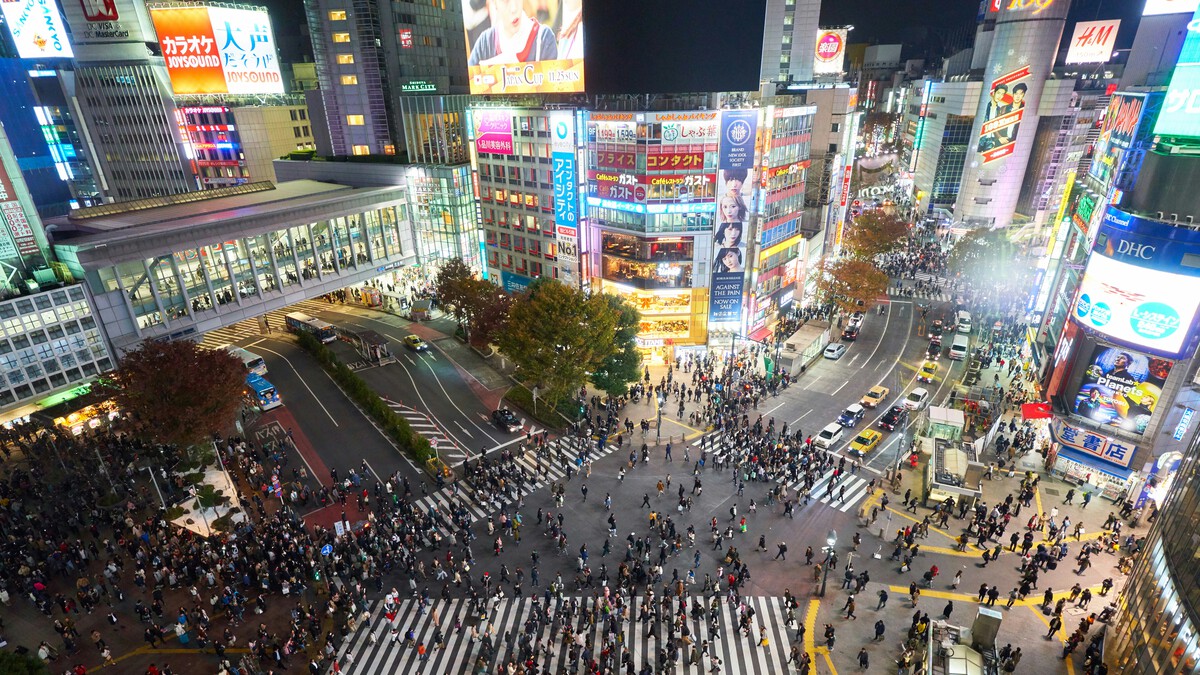
How Blood Type Is Used in Daily Life
In Japan, blood type is often treated like a horoscope—but with more serious consequences. Many people believe that type A individuals are organized and detail-oriented, type B are creative but selfish, type O are confident and decisive, and type AB are eccentric and unpredictable.
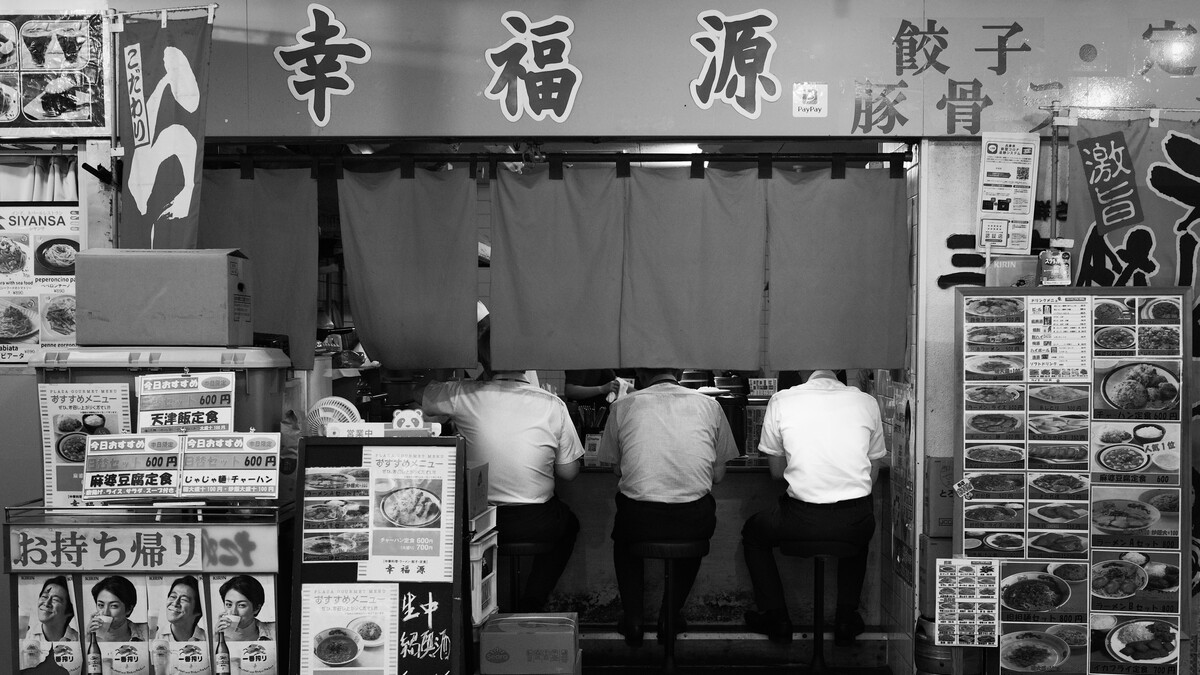
These stereotypes appear in everything from matchmaking services to job applications. Some companies reportedly ask for blood type during hiring, and dating profiles often list it. The belief can lead to bullying, employment discrimination, and relationship breakdowns.
Why It Persists Despite Lack of Evidence
Scientists have repeatedly debunked any link between blood type and personality. Studies have found no correlation, and the Japanese Psychological Association has warned against using blood type for hiring or matchmaking. Yet the superstition endures because it offers simple explanations for complex human behaviors.
Cultural factors also play a role. Japan has a history of embracing personality-typing systems, such as horoscopes and MBTI, which are seen as entertainment rather than serious science. However, the blood type belief crosses into real-world discrimination, making it more than harmless fun.
Impact on Individuals and Society
For many Japanese, blood type is a casual topic of conversation. But for others, it has caused real harm. There are reports of people being rejected in job interviews or facing bullying at school because of their blood type. Some have even sued employers for discrimination.
The superstition also affects relationships. Matchmaking agencies sometimes use blood type compatibility charts to pair couples, and breakups have occurred over perceived incompatibility. This can reinforce social divisions and limit opportunities based on a biological trait that has no bearing on character.
What Experts Say
Experts in genetics and psychology emphasize that blood type is determined by antigens on red blood cells and has no influence on the brain or personality. They call for education to dispel the myth and for legal measures to prevent discrimination.
Some activists are working to raise awareness about the harm of blood type profiling. They argue that in a modern society, hiring and personal relationships should be based on merit and individual character, not outdated superstitions. The background to this story is set out in Why 'Mickey Mouse Degrees' Are Valuable for Modern Careers. A related thread runs through GLP-1 Weight Loss Drugs: How They Affect Your Relationships. Earlier coverage in Trending: latest articles shows how the argument developed.
What to Watch Next
As Japan continues to modernize, the blood type superstition may gradually fade. Younger generations are more skeptical, and increased global interaction is exposing more people to evidence-based thinking. However, without active efforts to combat misinformation, the belief could persist for years. A closer look at the same subject appears in Japan's Demographic Crisis: Toyama Officials Accused of Adding 2,000 Fake. Anyone following the wider picture can start with Huawei Watch D3: Medical Blood Pressure Smartwatch Launch. The same theme surfaces in Japan's Elderly Boom Makes Diaper Recycling a Major Environmental Issue, which takes a different angle.
Monitoring trends in hiring practices and media representation will be key. If more companies publicly reject blood type profiling and celebrities speak out against it, the stigma may lessen. Ultimately, the fight against this superstition is part of a broader struggle for equality and scientific literacy. Context on how this played out before sits in Fukushima 15 Years On: Why Reactors Still Need Water and Aren't Sealed. A companion piece, SpaceX Crew-13 Breaks NASA's Apollo 13 Superstition, approaches the same subject from another angle.
FAQ
What is the Japanese blood type superstition?
The Japanese blood type superstition, or ketsueki-gata, is the belief that a person's blood type determines their personality, temperament, and compatibility with others. It originated from a 1927 study by Takeji Furukawa and persists in popular culture despite lacking scientific evidence.
Can blood type affect your personality?
No, scientific studies have found no link between blood type and personality. Blood type is determined by antigens on red blood cells and has no influence on the brain or behavior. The belief is considered pseudoscience.
How does blood type discrimination manifest in Japan?
Blood type discrimination in Japan can occur in hiring, where some companies ask for blood type and may reject candidates based on stereotypes. It also affects relationships, with matchmaking services using blood type compatibility and individuals facing bullying or social exclusion.
Is the blood type belief declining in Japan?
There are signs of decline as younger generations become more skeptical and global exposure promotes evidence-based thinking. However, the superstition remains widespread, and activists continue to campaign against it.
Browse the Shop
 Acacia frida deluxe solid wood bed frame |
Bedroom bench |
Bed chest drawers |
Lingerie dresser |
Frame base |
Mirror with jewelry storage |
30 Bathroom Vanity |
Memory foam queen mattress |
Mattresses for back pain |
Nightstand set of 2 |
Grand Goldman Shop |
Civil Lawyer
Deutschland Trikot WM 2026







