

The story of Joseph Williamson's Liverpool tunnels is one of history's most baffling mysteries. For 34 years, a wealthy tobacco merchant hired workers to dig a vast labyrinth beneath the streets of Liverpool, never explaining why. Two centuries later, new research finally offers an answer that transforms him from an eccentric into a visionary.
Who Was Joseph Williamson?
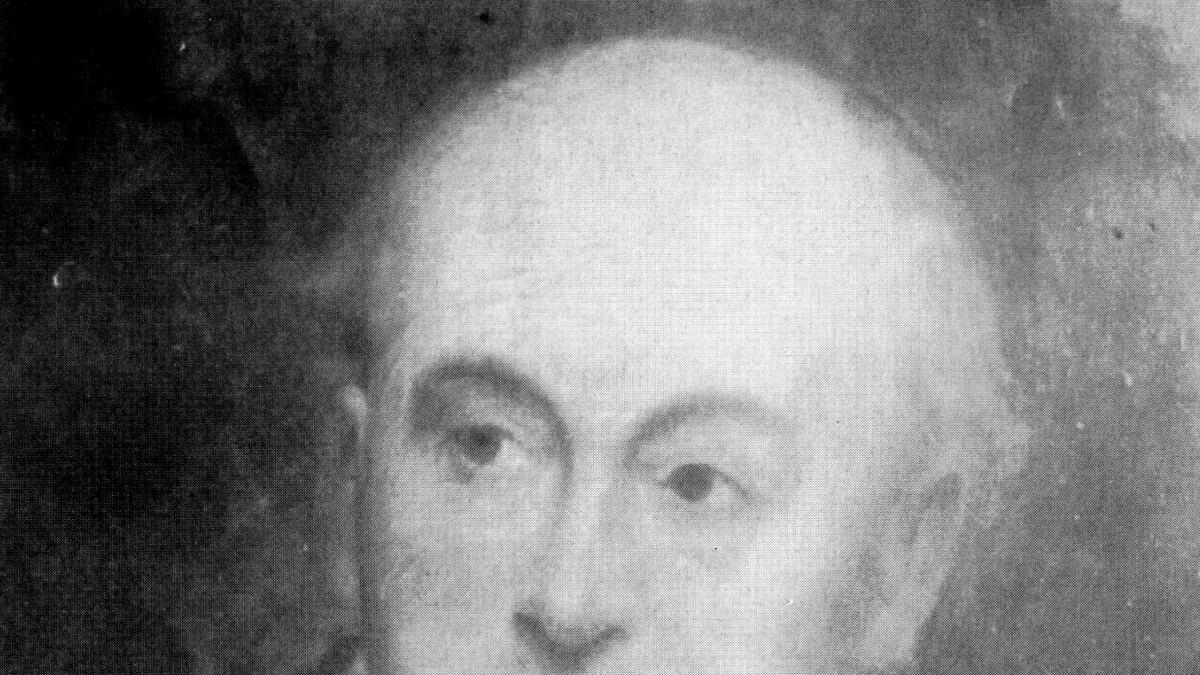
Born in Yorkshire in 1769, Joseph Williamson moved to Liverpool at just 11 years old to work in Richard Tate's tobacco business. He eventually married Tate's daughter, Elizabeth, and in 1803 took control of the company, amassing a considerable fortune.
Find Original Home Decor sparking conversation at Grand Goldman Shop.

In 1806, Williamson purchased land in Edge Hill, then a sparsely developed area a few kilometers from Liverpool's center. His initial plan was to build housing, but what happened next defied all expectations.
The Digging Begins
From 1806 until his death in 1840, Williamson kept numerous men excavating the sandstone beneath his land. They carved out tunnels, chambers, and vaulted structures that grew into an extensive underground network. Surprisingly, the tunnels led nowhere in particular—some reached astonishing depths—and Williamson left no plans or explanations.
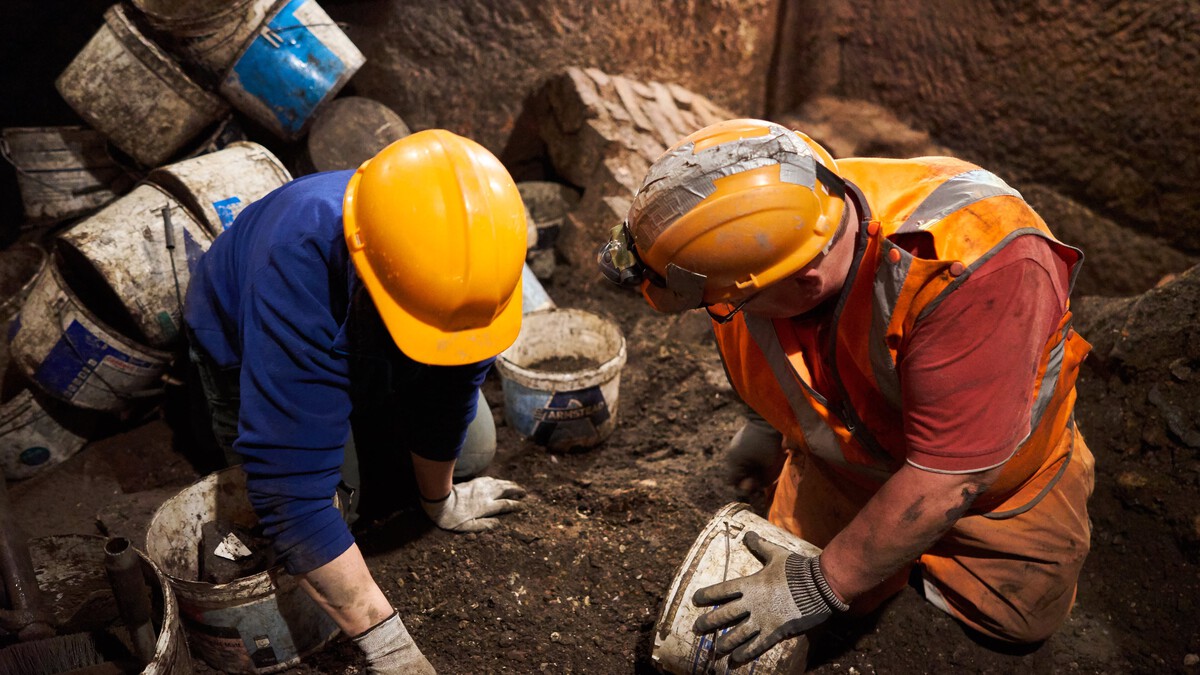
After his death, the construction was buried under tons of rubble, and the mystery endured for nearly two centuries. Now, after 30 years of investigation, researchers have uncovered a far more human explanation.
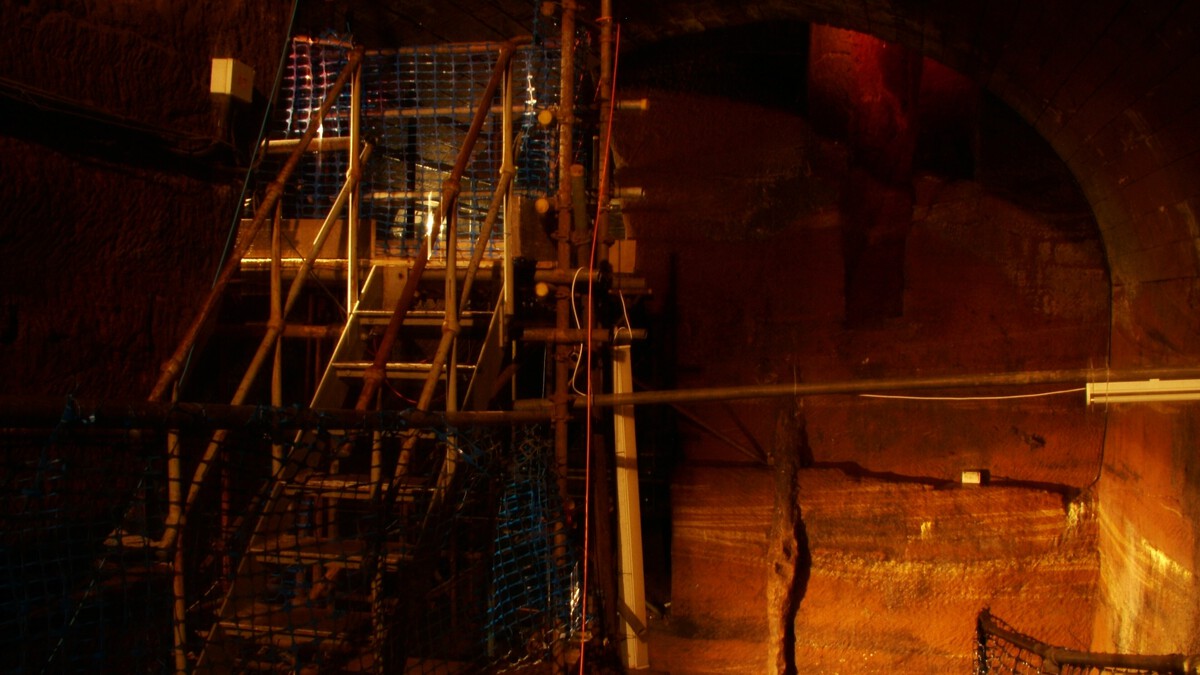
Why Did He Dig? The New Theory
The answer, according to recent findings, lies in Williamson's desire to provide employment for the poor and unemployed of Liverpool. During a time of economic hardship, he created work where none existed, paying men to dig simply to give them a livelihood.
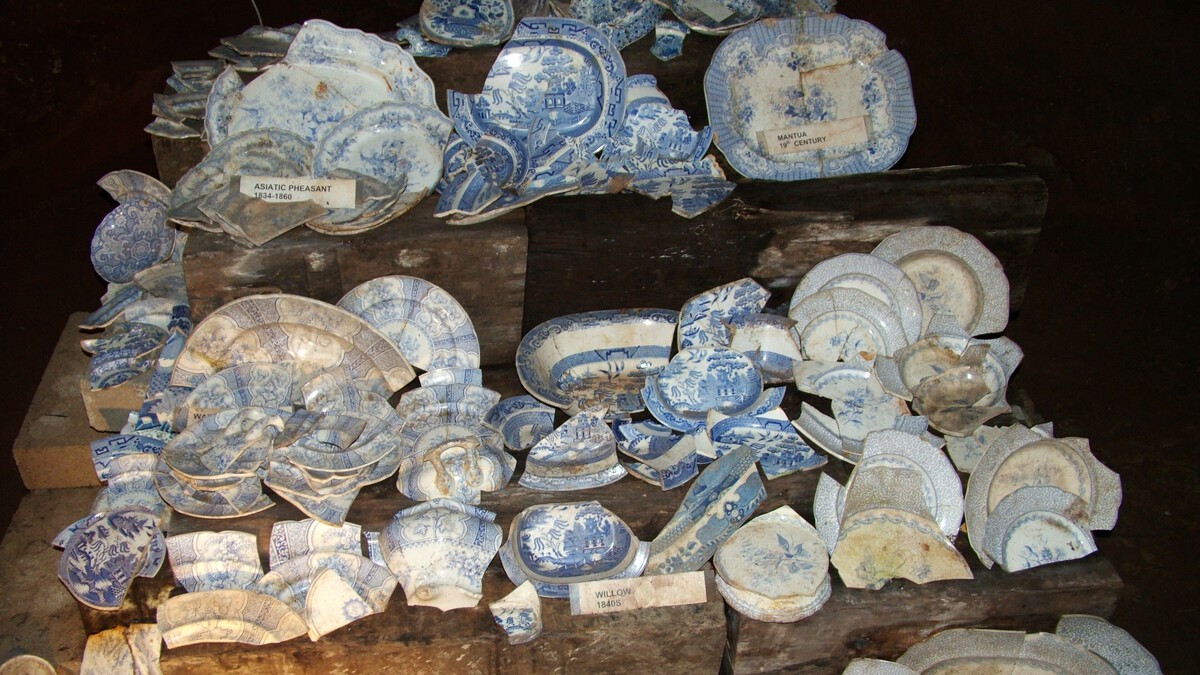
This interpretation aligns with Williamson's reputation as a philanthropist. He also built houses for his workers and their families, and the tunnels may have served as a way to keep them occupied and fed during tough times. The background to this story is set out in Vast Beatles Museum in Liverpool to Open in 2028. A related thread runs through Trending: latest articles. Earlier coverage in Renault's Île Seguin Factory: The Island That Became a Car Plant shows how the argument developed.
Key Takeaways
- Joseph Williamson was a wealthy tobacco merchant who moved to Liverpool as a child.
- He spent 34 years and much of his fortune digging tunnels under Edge Hill.
- The tunnels led nowhere and were never explained during his lifetime.
- New research suggests he created the work to employ the poor.
- Williamson also built housing for his workers, supporting the philanthropic theory.
What the Tunnels Reveal About Williamson
Rather than a madman or a secretive eccentric, Williamson emerges as a pragmatic humanitarian. In an era with no social safety net, he used his wealth to create jobs, even if the work seemed pointless. A closer look at the same subject appears in Belgian Workers Find $1M Gold Treasure Hidden in Brewery Wall. Anyone following the wider picture can start with Iberian Orca Toñi Found With Gunshot Wounds: Investigation Launched. The same theme surfaces in Entrepreneur's Old Cruise Ship Restoration Nightmare, which takes a different angle.
The tunnels themselves, now a popular tourist attraction in Liverpool, stand as a monument to his unconventional approach to charity. They remind us that sometimes the most puzzling actions have the most compassionate motives. Context on how this played out before sits in Spain's Pyrenees Fire Risk: 300,000 Hectares Under Threat. A companion piece, Joseph Williamson's Liverpool Tunnels: The Millionaire's Secret, approaches the same subject from another angle.
Comparison of Theories
| Theory | Explanation | Supporting Evidence |
|---|---|---|
| Eccentric hobby | Williamson dug for personal amusement | Lack of plans or records |
| Secret enterprise | Tunnels used for smuggling or storage | Proximity to docks, but no evidence |
| Philanthropic employment | Created jobs for the poor | His known charity, worker housing, economic context |
FAQ
What were the Liverpool tunnels used for?
The exact purpose remains uncertain, but the leading theory is that Williamson created them to provide employment for the poor. They may also have served as storage or simply as a massive public works project.
Can you visit the Williamson Tunnels today?
Yes, sections of the tunnels are open to the public as a heritage attraction in Liverpool, run by the Williamson Tunnels Heritage Centre.
How did Joseph Williamson make his money?
He inherited and expanded a tobacco business through his marriage to Elizabeth Tate, daughter of his employer Richard Tate. He also made investments in property and other ventures.
Why did the tunnels remain a mystery for so long?
After Williamson's death, the tunnels were filled with rubble and forgotten. No plans or written explanations survived, and it took decades of archaeological work to uncover their extent.
Browse the Shop
 Acacia frida deluxe solid wood bed frame |
Bedroom bench |
Bed chest drawers |
Lingerie dresser |
Frame base |
Mirror with jewelry storage |
30 Bathroom Vanity |
Memory foam queen mattress |
Mattresses for back pain |
Nightstand set of 2 |
Grand Goldman Shop |
Civil Lawyer
Deutschland Trikot WM 2026







