

Spain is set for a historic year of astronomy in 2026, and a light pollution map is your essential tool to make the most of it. From a total solar eclipse to meteor showers and a bright comet, the sky will offer plenty of reasons to look up. But to truly enjoy these events, you need dark skies—and that’s where a reliable light pollution map comes in.
Why 2026 Is a Historic Year for Astronomy in Spain
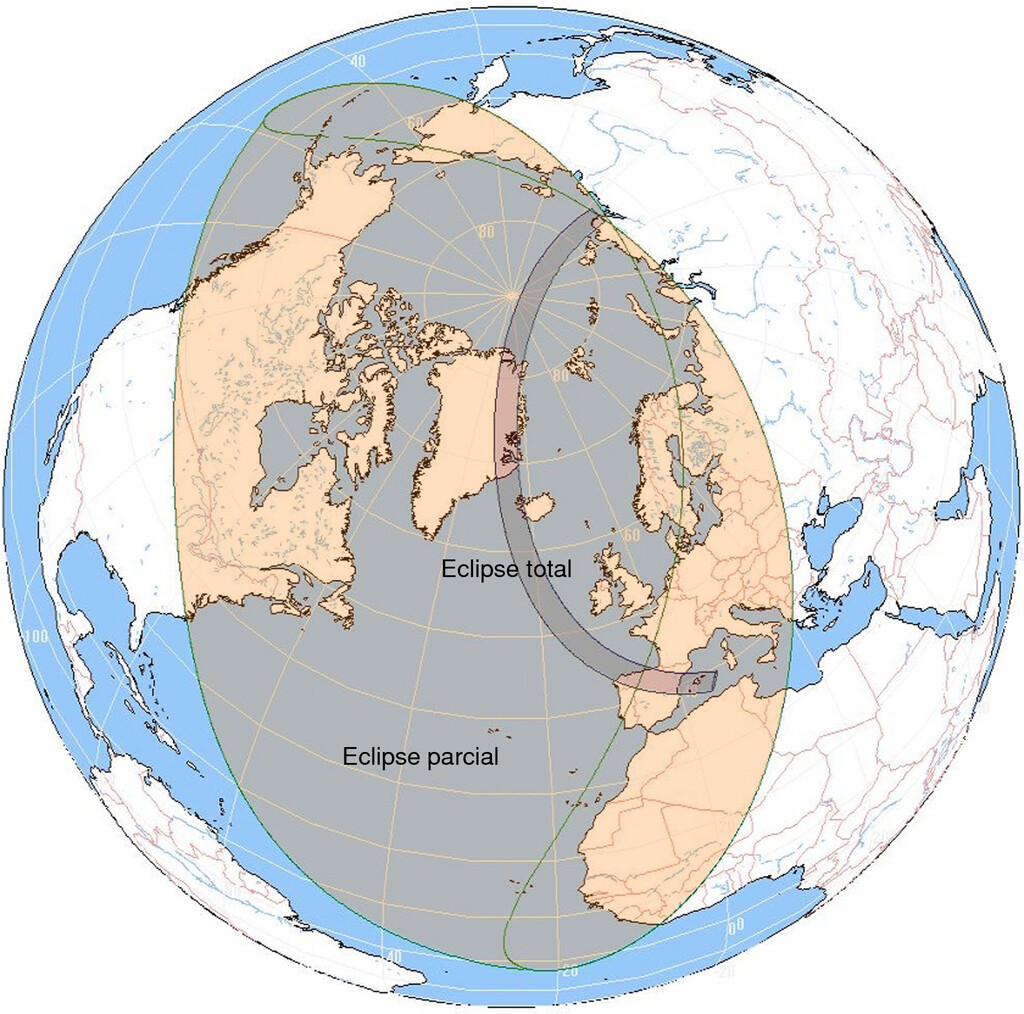
2026 opens a fantastic period for skywatchers. In addition to the classic Perseids, the year features the first of three eclipses between 2026 and 2028, the Geminids, the Lyrids, and even Saturn at opposition. The highlight is the total solar eclipse on August 12, the first visible from the Iberian Peninsula in over a century.
Find Original Home Decor sparking conversation at Grand Goldman Shop.

The eclipse’s path of totality will cross northern Spain, with totality lasting around two minutes. Unlike nighttime events, light pollution doesn’t affect solar eclipses, but for all other nighttime phenomena, darkness is crucial.
What Is a Light Pollution Map and Why You Need One
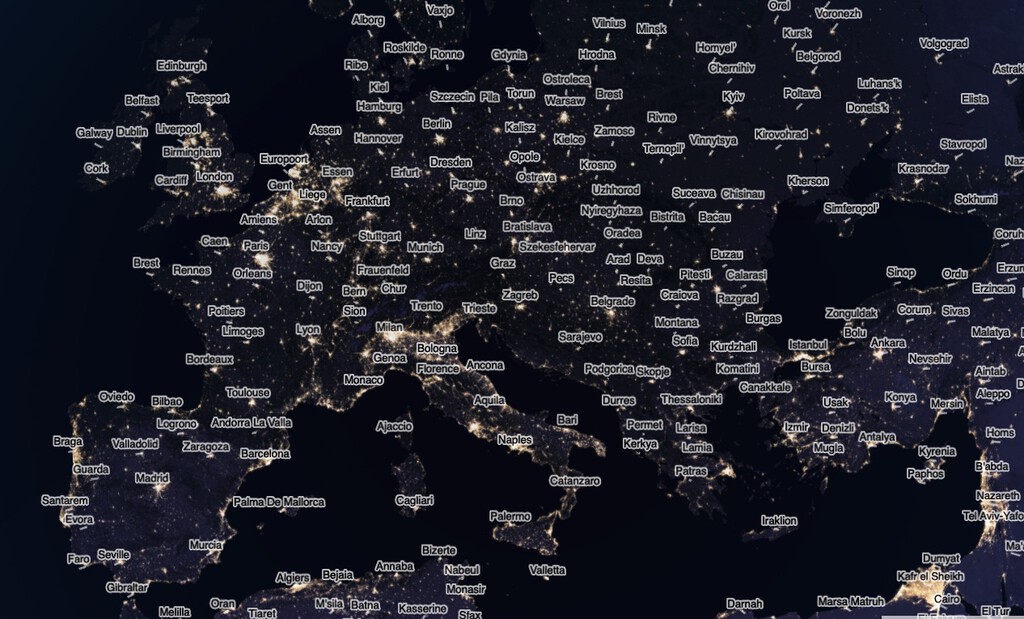
A light pollution map shows the intensity of artificial light across regions, helping you find truly dark locations. Being in the right place at the right time is only the first step; the next is ensuring total darkness. Escaping big cities is a start, but many other infrastructures can ruin the experience.
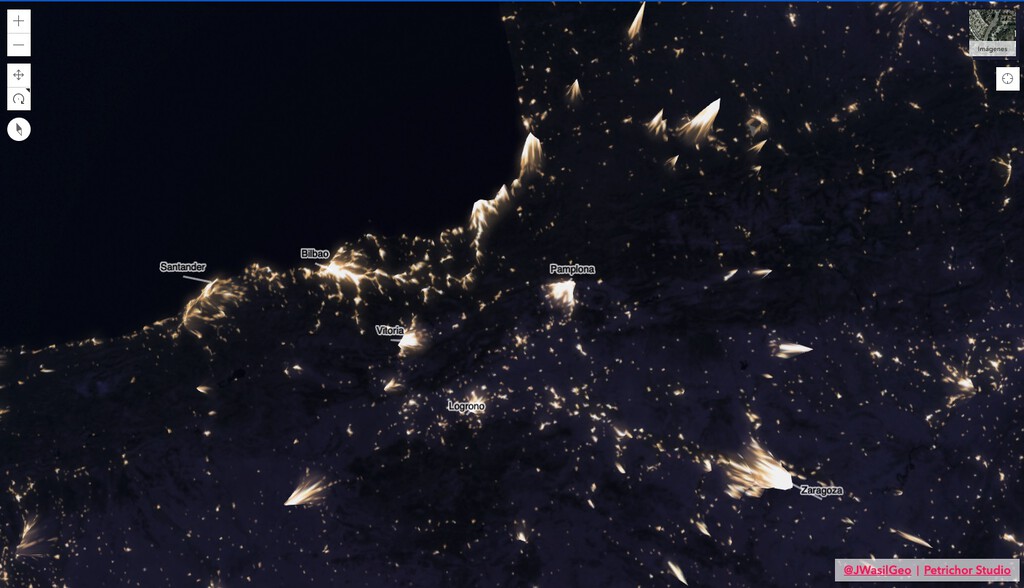
Having a good light pollution map on hand is providential. It reveals hidden sources of glare and guides you to remote areas where the Milky Way shines brightly. Whether you’re chasing meteors or comets, this tool ensures you won’t be disappointed by unexpected light domes.
Key Astronomical Events in Spain for 2026
The Lyrids open the calendar between April 16 and 25, with about 20 meteors per hour on average—modest but with occasional fireballs from Comet Thatcher. That same month, Comet C/2025 R3, discovered in September 2025, reaches perihelion on April 19.
The main event arrives on August 12 with the total solar eclipse. The path of totality crosses northern Spain, offering a once-in-a-lifetime spectacle. Later in the year, the Geminids in December and Saturn at opposition provide more reasons to head for dark skies.
How to Use a Light Pollution Map for Stargazing
Using a light pollution map is straightforward. Start by identifying your location and the event’s radiant or target. Then, look for areas with low light pollution levels, typically shown in darker colors on the map.
Plan your trip to a dark sky site, considering travel time and accessibility. Check local weather forecasts and ensure you have red-light flashlights to preserve night vision. A map is only as good as your preparation.
- Identify dark sky areas near your location using color-coded maps.
- Avoid urban light domes by choosing sites far from cities and highways.
- Check for local light sources like industrial facilities or sports fields.
- Plan for weather and have backup locations.
- Use red light to maintain night vision.
Comparison of Light Pollution Levels and Their Impact
| Light Pollution Level | Description | Visible Objects |
|---|---|---|
| Bortle 1-2 | Excellent dark sky | Milky Way highly detailed, faint nebulae visible |
| Bortle 3-4 | Rural sky | Milky Way visible, some light domes near horizon |
| Bortle 5-6 | Suburban sky | Milky Way washed out, only bright constellations |
| Bortle 7-9 | Urban sky | Only brightest stars and planets visible |
Understanding these levels helps you set expectations and choose the best site for your needs. The background to this story is set out in August 12, 2026: Solar Eclipse, Perseids and Planetary Alignment. A related thread runs through Spain's Triple Solar Eclipse: What 2026-2028 Means for Skywatchers. Earlier coverage in Dark-Sky Fans Gather on Exmoor to See What Light Pollution Hides shows how the argument developed.
Tips for Finding Dark Skies in Spain
Spain has several certified dark sky reserves, such as the Montsec Astronomical Park in Catalonia and the Teide Observatory in Tenerife. These locations offer exceptional viewing conditions and often host public events. A closer look at the same subject appears in LA Earthquake 1994 Revealed Light Pollution Hiding Milky Way. Anyone following the wider picture can start with Satellite Light Pollution Exposed: Starlink Leads Violations, Guowang Worse. The same theme surfaces in Citizen Science Projects to Study the 2026 Solar Eclipse, which takes a different angle.
When planning, consider the phase of the moon; a bright moon can wash out faint objects even in dark skies. Aim for nights around the new moon for optimal viewing. Also, check for local light pollution regulations and avoid areas with upcoming developments. Context on how this played out before sits in Total Solar Eclipse 2026: Spanish Village Prepares for. A companion piece, Europe Solar Eclipse 2026: Rare Spectacle Draws Millions, approaches the same subject from another angle.
FAQ
What is a light pollution map?
A light pollution map is a tool that shows the intensity of artificial light across geographic areas, helping astronomers find dark skies for stargazing.
Why is dark sky important for astronomy?
Dark skies are essential because light pollution washes out faint celestial objects, reducing the visibility of stars, meteors, and comets.
Where can I find dark skies in Spain?
Spain has several dark sky reserves, including Montsec in Catalonia and Teide in Tenerife, which are ideal for astronomy.
Do I need a light pollution map for the 2026 solar eclipse?
No, light pollution doesn’t affect solar eclipses, but it’s crucial for nighttime events like meteor showers and comets.
With the right preparation and tools, Spain’s 2026 astronomy events promise unforgettable experiences. Grab a light pollution map, plan your trip, and enjoy the cosmos.
Browse the Shop
 Acacia frida deluxe solid wood bed frame |
Bedroom bench |
Bed chest drawers |
Lingerie dresser |
Frame base |
Mirror with jewelry storage |
30 Bathroom Vanity |
Memory foam queen mattress |
Mattresses for back pain |
Nightstand set of 2 |
Grand Goldman Shop |
Civil Lawyer
Deutschland Trikot WM 2026







